
Understanding when not to go on safari is just as important as knowing when to go. From seasonal rains and high humidity to overcrowded parks and soaring prices, several factors can turn your long-awaited adventure into a logistical headache. This essential guide explores the times and conditions to avoid, ensuring that when you do go, your safari is everything you’ve imagined — and more.
Why Timing Matters More Than You Think
Safaris depend heavily on natural cycles — the weather, the migration of animals, and local conservation rules. Unlike urban travel, where activities happen year-round, the African wilderness moves to nature’s rhythm. Ignoring these patterns is one of the biggest mistakes first-time travelers make.
The most seasoned guides and safari operators emphasize this: understanding when not to go on safari helps you maximize wildlife sightings, comfort, and value. The wrong season can mean heavy rains, impassable roads, or sparse wildlife. The right season brings unforgettable encounters, glowing light, and smooth, safe travel.
1. Avoid the Peak of the Rainy Season
Africa’s rainy seasons vary from region to region, but they generally fall between March and May, with shorter rains from November to early December. During this period, lush green landscapes may look beautiful in photos, but they come with challenges that most travelers underestimate.
Unpaved roads can turn into muddy traps, river crossings become risky, and some remote lodges even close due to flooding. Game drives are often canceled or cut short. Visibility also drops — tall wet grass and thick vegetation make it harder to spot animals.
If you’re considering a safari in Kenya, Tanzania, or Uganda, these months represent when not to go on safari unless you’re a dedicated traveler seeking solitude and don’t mind unpredictable weather. Southern African destinations like Botswana and Zimbabwe face similar issues from December to March, with mosquitoes and humidity at their peak.
2. Skip Overcrowded Peak Tourism Months
While the dry season (June to October) offers the best wildlife viewing, it also attracts the highest number of tourists. Lodges and camps fill up months in advance, and prices surge dramatically. Popular parks like Kenya’s Masai Mara, Tanzania’s Serengeti, and South Africa’s Kruger National Park can feel overcrowded during these periods.
If you’re seeking tranquility or a more intimate safari experience, these months might be when not to go on safari. Instead, consider the shoulder seasons — just before or after the main dry period — when the weather is still pleasant, wildlife is active, and there’s more breathing space both in the parks and in your itinerary.
3. Be Wary of Extreme Heat and Dust
In regions like Botswana, Namibia, and Zambia, temperatures can soar to unbearable levels between October and early December — right before the rains arrive. Waterholes dry up, and while animals gather around the few remaining ones, the heat and dust can be intense for visitors.
Photographers often love this dramatic light, but casual travelers may find it exhausting. Safari vehicles become hot boxes, and mid-day game drives feel punishing. This is another period when not to go on safari unless you’re specifically prepared for harsh, arid conditions.
4. Avoid the High Mosquito Season
Malaria risk is an important but sometimes overlooked factor. During and just after the rainy season, mosquito populations spike, especially in East and Central Africa. Even with repellents and prophylaxis, bites can be annoying and concerning.
If you’re traveling with children or older adults, this may be when not to go on safari, especially in low-lying regions near water bodies. Instead, plan your visit during the dry months, when mosquito activity is minimal and evenings are more comfortable outdoors.
5. Think Twice About Major Holiday Periods
Another overlooked aspect of timing is the impact of school holidays and festive seasons. December, Easter, and August see heavy local and international tourism. Flights become expensive, and park entry queues can stretch for hours.
Even the most remote lodges feel busy during these weeks, taking away from the serenity that defines the safari experience. If you’re after quiet sunsets and uninterrupted wildlife encounters, these holiday windows mark another when not to go on safari.
6. Don’t Go During Poor Visibility or Migration Off-Seasons
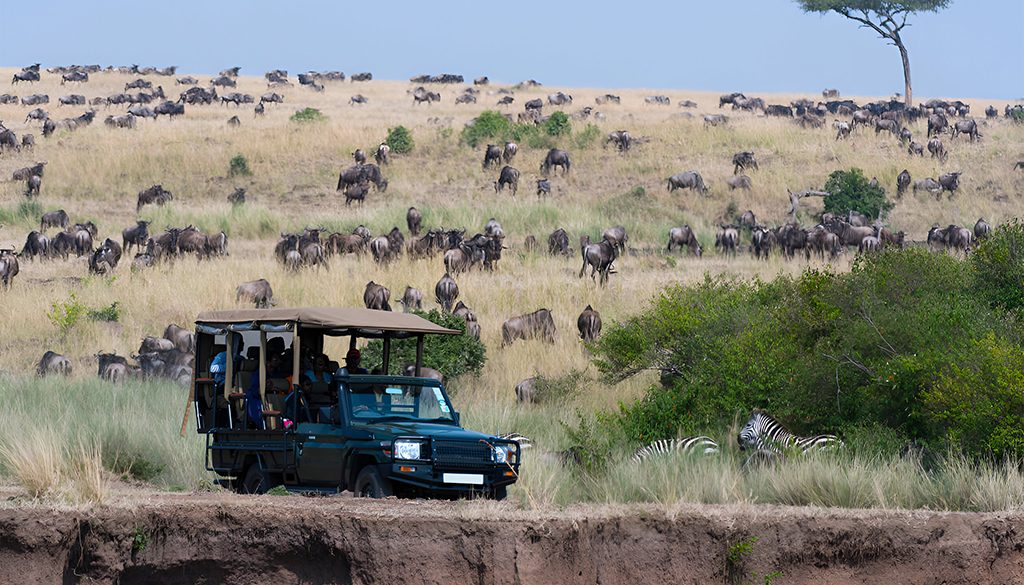
One of the biggest draws of East Africa is the Great Migration — the epic movement of over two million wildebeest and zebras across the Serengeti and Masai Mara. But timing is everything. Visit too early or too late, and you may miss the action entirely.
For example, if you plan a Masai Mara trip in March or April, most of the herds are far south in Tanzania. Similarly, visiting the Serengeti in November means you might only see scattered animals. To avoid disappointment, research migration routes in advance and plan accordingly — another reminder of when not to go on safari.
7. Reconsider If You’re Expecting Luxury on a Budget
During the off-peak or rainy season, some lodges close temporarily, while others reduce staff and services. Roads become challenging, and certain amenities like hot showers or Wi-Fi might be limited in remote areas.
If your idea of a safari includes premium comfort, fine dining, and consistent service, these off-seasons represent when not to go on safari. While prices may be lower, the trade-off in experience quality can be significant.
How to Choose the Perfect Time Instead
The ideal safari season depends on your goals:
-
For wildlife sightings: June to October (dry season).
-
For photography and lush landscapes: November and February, just after the rains.
-
For fewer tourists and fair weather: May and early June (shoulder season).
Balancing weather, crowd levels, and budget helps you enjoy Africa’s wilderness as it’s meant to be — vibrant, raw, and unforgettable.
Help Me Plan My Trip!
Get a Quote
We would love to hear about your upcoming trip! Contact us to book a 1:1 consultation with one of our expert safari designers so we can discuss your trip in great detail together and get a quote. Initial consultations will be free of charge.

