Affordable Luxury Safari in Africa: 5 Secrets to Travel Better for Less Copy
What if finding lions wasn’t simply about luck?
Most travelers are told to visit Africa during the peak dry season or plan their trip around the Great Migration. And while these periods can produce incredible wildlife encounters, experienced guides know that finding lions is about much more than following a calendar.
It is about understanding their prey, reading the landscape and knowing when the conditions are most likely to bring a pride into action.
So, what is the best time to see lions in Africa?
The answer depends on where you are going, what you want to witness and how willing you are to look beyond the obvious.
Understanding the Best Time to See Lions in Africa
Lions are present in many of Africa’s great wildlife areas throughout the year. The real difference is what they are doing when you arrive.
During hot periods, lions can spend much of the day resting. This is perfectly normal. Conserving energy is part of their survival strategy.
If your dream is to see lions actively hunting, following prey or interacting with their pride, you need to think beyond simply finding a lion.
You need to think about opportunity.
This is why the best time to see lions in Africa can be different from the busiest time to visit Africa.
Follow the Food
One of the most important lessons guides learn is that predators don’t operate independently from the rest of the ecosystem.
Where there is prey, there is opportunity.
During certain periods of the year, large concentrations of prey can create exceptional conditions for predators. In Tanzania’s Southern Serengeti, for example, the calving season around January and February brings large numbers of young wildebeest and other prey into the ecosystem.
For lions, this creates an environment rich in opportunity.
The prides still rest, but there can be increased activity around vulnerable young animals and the movements of grazing herds.
This is one reason the period around the calving season can be an excellent consideration when researching the best time to see lions in Africa.
Of course, wildlife never follows a script.
A lion may hunt in the middle of the day. Another may sleep through an entire morning. A pride may suddenly become active just as the sun begins to disappear.
That unpredictability is part of what makes watching lions so fascinating.
Look Beyond the Migration
The Great Migration is one of Africa’s most spectacular wildlife events, and it can create extraordinary predator encounters.
But there is an important misconception about visiting during peak migration periods.
More prey does not necessarily mean more visible hunting.
When lions have access to abundant food, they may spend considerable amounts of time resting and digesting.
That means travelers shouldn’t assume that the busiest wildlife season automatically represents the best time to see lions in Africa if their primary goal is action.
Instead, consider the entire ecosystem.
Look at where the prey is moving.
Consider water availability.
Think about vegetation.
And most importantly, understand what the predators are responding to.
That is how experienced guides approach wildlife viewing.
Think Like a Lion
Finding lions becomes much easier when you stop looking only for lions.
Instead, look at the landscape.
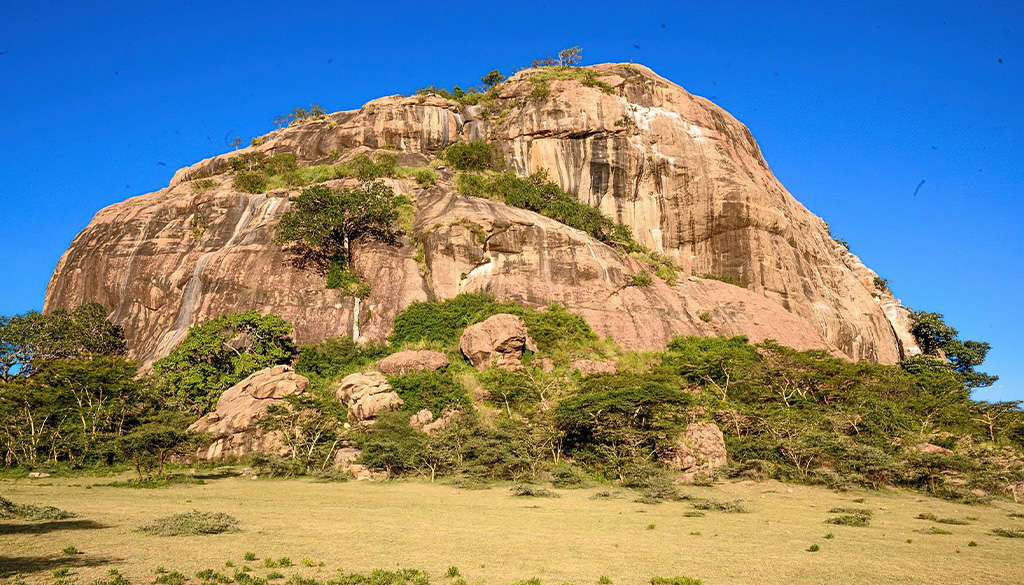
One of the most useful features to understand is the kopje.
Kopjes are rocky outcrops scattered across parts of the Serengeti ecosystem. They provide elevated viewpoints and can offer lions useful vantage points over their surroundings.
A lion resting on a rocky outcrop may appear completely relaxed, but it can also be watching the plains around it.
When searching for the best places to see lions in Africa, understanding these landscape features can make your wildlife experience much more rewarding.
You’re no longer simply looking for an animal.
You’re learning how the animal uses its environment.
Read the “Savanna Newspaper”
There is another trick experienced guides use: watch the prey.
Imagine driving across an open plain and suddenly noticing several gazelles behaving differently.
One has stopped feeding.
Another is staring intensely toward a patch of vegetation.
The rest of the herd seems unusually alert.
Don’t immediately drive past.
Stop and observe.
The animals around you may have noticed something you haven’t.
This is one of the most fascinating parts of tracking predators. The prey can sometimes reveal the presence of a predator before you see it yourself.
The same principle applies to birds.
A group of vultures gathering around a particular area can sometimes indicate that a carcass is nearby. It doesn’t guarantee that lions are present, but it gives your guide another clue about what may be happening in the surrounding ecosystem.
This is why the best time to see lions in Africa isn’t only about choosing the right month.
It’s also about knowing how to read the landscape when you arrive.
The Importance of Early Mornings and Late Afternoons
Timing your game drives can also influence what you see.
Lions are often more active during the cooler parts of the day, particularly around dawn and dusk.
Early morning can be especially rewarding.
The temperature is cooler, the light is beautiful and nocturnal activity is beginning to overlap with the start of the day.
You may find a pride moving across the plains, interacting with one another or settling down after a night of activity.
Late afternoon can offer another opportunity.
As temperatures begin to fall, animals become more active and the landscape starts to change.
This is one reason experienced guides pay close attention to the rhythm of the day when planning wildlife viewing.
Don’t Leave After Ten Minutes
Here is perhaps the most important lesson.
Finding a lion is only the beginning.
Imagine discovering a pride resting beneath a tree.
One traveler takes a few photographs and leaves after ten minutes.
Another stays.
The lions appear asleep.
Then one lifts its head.
Another begins grooming.
A cub starts playing.
The male gets up.
Suddenly, the entire atmosphere changes.
This is why patience can transform a wildlife encounter.
Animals don’t perform on demand.
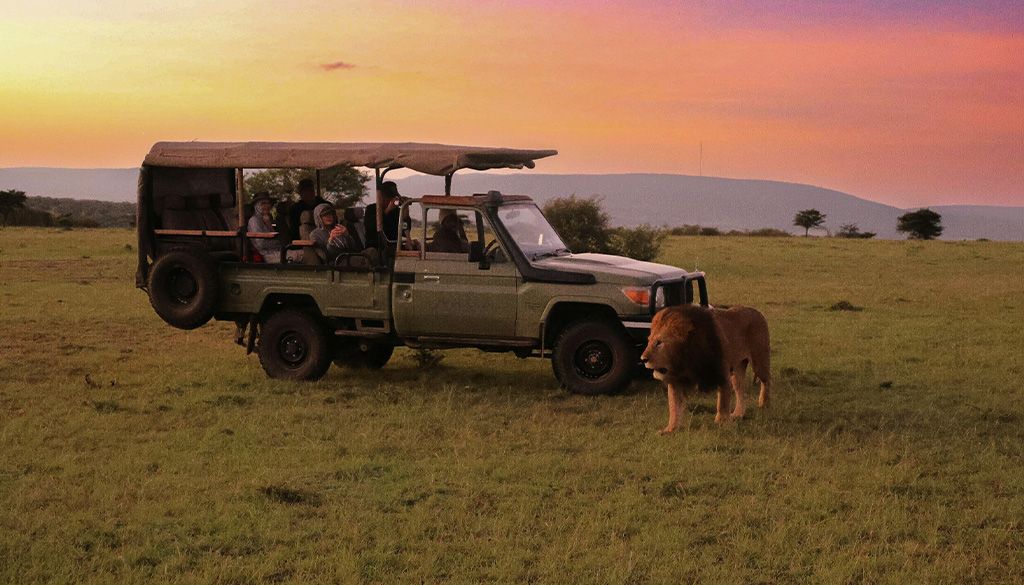
You cannot ask a lion to roar, hunt or walk toward your vehicle.
But if you have the time to sit quietly and observe, you increase your chances of witnessing natural behavior rather than simply checking an animal off a list.
For travelers wondering about the best time to see lions in Africa, patience can sometimes matter just as much as the date on the calendar.
So, What Is the Best Time to See Lions in Africa?
There isn’t one universal answer.
For Southern Serengeti, January and February can be particularly interesting because of the calving season and the concentration of prey.
In many other areas, the dry season can make wildlife easier to locate because vegetation is thinner and animals concentrate around reliable water sources.
Early mornings and late afternoons can also provide better conditions for observing active lions.
But no season guarantees a particular behavior.
The best time to see lions in Africa ultimately depends on the destination, season, prey movements, weather and a little bit of luck.
That’s what makes a genuine wildlife experience different from visiting a zoo.
Where Are the Best Places to See Lions in Africa?
Several destinations are renowned for their lion populations and predator viewing.
Kenya’s Maasai Mara is famous for its large predator populations and open grasslands, making it an excellent destination for travelers hoping to encounter lions.
Tanzania’s Serengeti offers vast landscapes, abundant prey and the opportunity to experience predator-prey interactions across an enormous ecosystem.
South Africa’s private reserves can provide excellent opportunities for close wildlife observation, particularly where experienced guides and trackers spend considerable time following individual animals.
The key isn’t simply choosing a famous destination.
It’s choosing the right area, season and style of experience for what you want to see.
The Real Secret to Finding Lions
There is no magic formula.
The real secret is learning to connect the clues.
Look at the prey.
Study the landscape.
Understand the season.
Pay attention to the time of day.
And when you find the pride, don’t rush away.
The best wildlife experiences often happen when you stop trying to predict exactly what will happen and simply give nature time to unfold.
So, if you’re researching the best time to see lions in Africa, don’t just ask, “Which month should I visit?”
Ask a better question:
Where will the lions be, what will their prey be doing, and what will the landscape look like when I arrive?
That is how you begin to see Africa through the eyes of a tracker.
And sometimes, the most unforgettable moment begins with something as simple as a group of gazelles suddenly staring into the grass.
The lions may already be there.
Help Me Plan My Trip!
Get a Quote
We would love to hear about your upcoming trip! Contact us to book a 1:1 consultation with one of our expert safari designers so we can discuss your trip in great detail together and get a quote. Initial consultations will be free of charge.