

Planning to book an African safari is one of the most exciting travel adventures you can embark on. Africa’s vast savannas, roaming wildlife, and breathtaking sunsets make for a once-in-a-lifetime experience. But timing your booking is crucial — it can mean the difference between an average trip and an unforgettable journey.
If you’ve been wondering how far in advance you should book an African safari, this complete guide will help you decide. We’ll cover ideal booking timelines, reasons to plan early, how seasons affect availability, and expert tips to make the most of your safari adventure.
Why Timing Matters When You Book an African Safari
An African safari isn’t like booking a simple weekend getaway. You’re dealing with limited accommodations, strict park regulations, and seasonal wildlife movements that can make or break your trip. The best safari lodges and guides book out months — sometimes a year — in advance.
When you book an African safari early, you get access to prime locations during peak wildlife seasons. You’ll also have more flexibility with travel dates, a wider choice of camps or lodges, and often better prices before seasonal demand spikes.
Waiting too long could mean missing out on premium camps, top guides, or the exact destination you’ve dreamed about, like the Serengeti during the Great Migration or Botswana’s Okavango Delta during the flood season.
General Rule: How Far in Advance to Book
As a general rule, most travelers should book an African safari 8 to 12 months in advance.
Here’s a breakdown by safari style and destination:
-
Luxury Safaris: These should be booked 10–12 months ahead, especially in top destinations like Kenya’s Masai Mara, Tanzania’s Serengeti, or South Africa’s Kruger Private Reserves.
-
Mid-Range or Lodge-Based Safaris: Plan to book 6–9 months in advance, particularly if you’re traveling during peak season (June to October).
-
Budget or Camping Safaris: You can often secure these 3–6 months ahead, but earlier is still better if you want specific parks or group tours.
If you’re flexible with dates or traveling in the off-season, you can sometimes book closer to departure. However, for popular events such as the Great Migration or gorilla trekking in Rwanda or Uganda, early planning is essential.
How Seasonality Affects Safari Booking
Africa’s seasons play a huge role in determining when to book an African safari. Wildlife movements, weather, and tourist crowds vary drastically across regions.
1. Peak Season (June–October)
This is the dry season across most of East and Southern Africa — the best time for game viewing. Animals gather near waterholes, grass is short, and visibility is excellent. Because of this, demand is high. To secure your dream lodge or camp, book at least 10–12 months in advance.
2. Shoulder Season (April–May & November)
These months offer great value, with fewer tourists and lower rates. Rain may make some roads muddy, but landscapes are lush and beautiful. Booking 6–8 months ahead gives you good choices and flexibility.
3. Green or Low Season (December–March)
This is the rainy season in many regions, but it’s also ideal for birdwatching and newborn animal sightings. Lodges are quieter, and prices drop significantly. If you’re traveling during this period, booking 3–6 months ahead is often enough.
Each region has its own rhythm, so check local patterns before deciding when to book an African safari.
Benefits of Booking Your African Safari Early
1. Guaranteed Availability
Top lodges, particularly those near iconic wildlife spots, can fill up fast. Booking early ensures you get the property and room type you want.
2. Better Pricing and Packages
Some operators offer early bird discounts or flexible payment plans. You’ll lock in current prices before annual rate increases.
3. Customized Experiences
Planning early gives you time to personalize your safari — adding extra nights, balloon rides, or beach extensions in Zanzibar or the Seychelles.
4. Peace of Mind
The logistics of a safari — flights, transfers, park permits — can be complex. Early planning eliminates last-minute stress.
5. Prime Wildlife Events
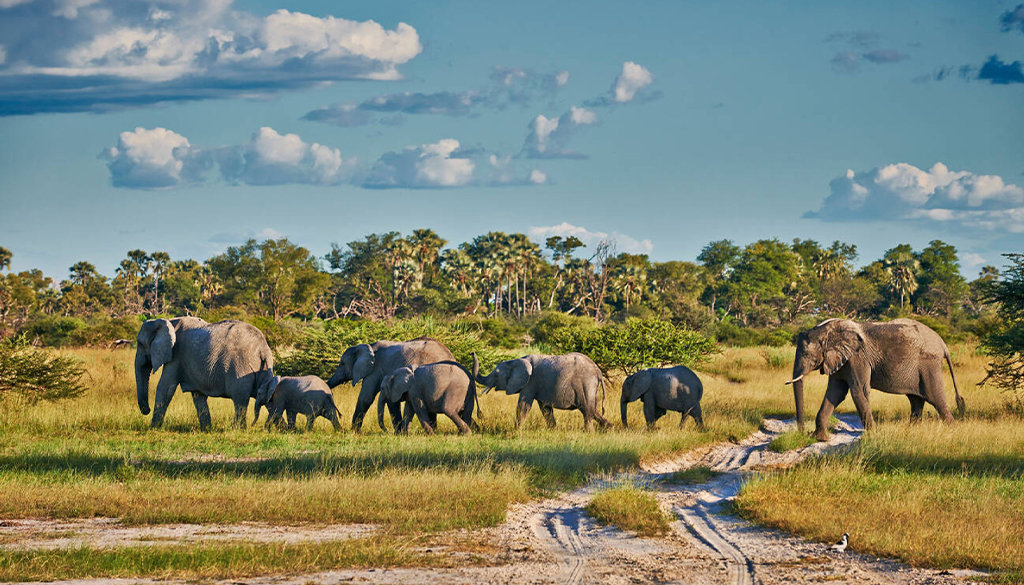
If you want to see specific wildlife spectacles, like the Great Wildebeest Migration in Tanzania or the baby elephant season in Botswana, you’ll need to book at least a year ahead to secure your place.
What Happens if You Book Late?
If you wait until the last minute to book an African safari, you may still find options — but likely with compromises:
-
Limited lodge availability or higher prices
-
Missed access to high-demand parks or migration routes
-
Difficulty securing domestic flights or gorilla trekking permits
-
Less time to arrange travel insurance, vaccinations, or visas
However, some tour operators specialize in last-minute safaris and can find you good deals — just don’t expect prime-season luxury lodges to be open.
Expert Tips for Booking an African Safari
-
Work with a Safari Specialist:
Reputable safari planners know local conditions, seasonal changes, and the best-value lodges. Their insider knowledge saves you time and money. -
Be Flexible with Dates:
If your dates are flexible, you can often find better rates or open spots even a few months ahead. -
Consider Multiple Parks:
Combining destinations — such as Kenya’s Masai Mara and Tanzania’s Serengeti — increases your chances of finding availability. -
Book Flights Early Too:
International and regional flights to Africa fill up quickly during peak months. Sync your flights with your safari itinerary early to avoid mismatches. -
Review Cancellation Policies:
Ensure your booking terms are flexible, especially if travel conditions or weather affect plans. -
Don’t Forget Travel Insurance:
Safaris involve remote travel. Always get comprehensive insurance that covers cancellations, delays, and medical emergencies.
When to Book Specific Safari Experiences
| Safari Experience | Ideal Booking Window |
|---|---|
| Great Migration (Tanzania/Kenya) | 12 months ahead |
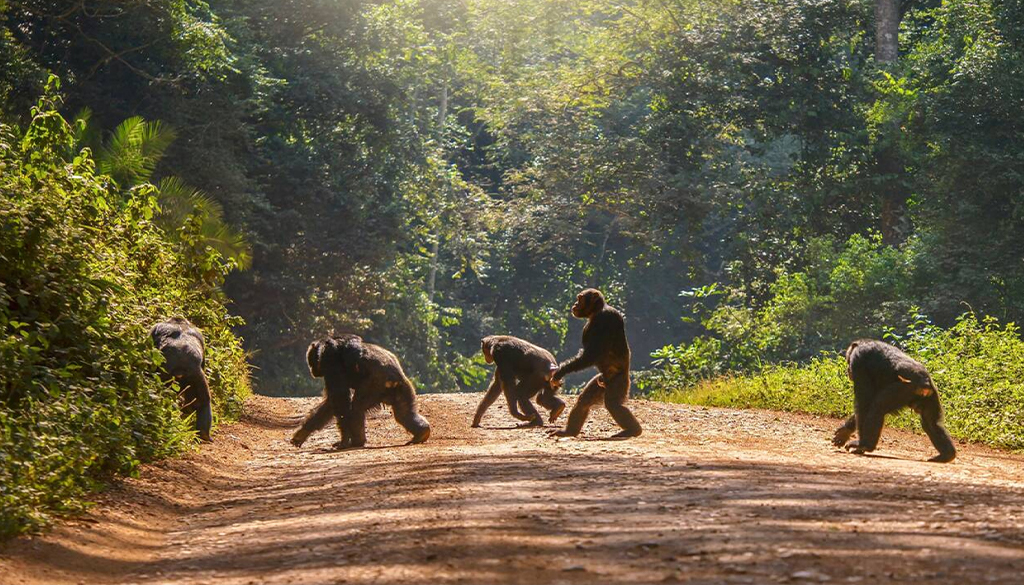
| Gorilla Trekking (Rwanda/Uganda) | 9–12 months ahead |
| Botswana Delta Flood Season | 9–12 months ahead |
| Kruger National Park | 6–9 months ahead |
| Namibia Desert Safari | 6 months ahead |
| Zambia/Zimbabwe Victoria Falls | 6–8 months ahead |
The Ideal Timeline to Book an African Safari
Here’s a simple timeline to help you visualize your planning process:
-
12 Months Before: Research destinations, choose your travel month, and contact safari specialists.
-
9–10 Months Before: Confirm itinerary, book lodges, and secure permits.
-
6 Months Before: Book flights, vaccinations, and travel insurance.
-
3 Months Before: Finalize packing, confirm transfers, and review your itinerary.
-
1 Month Before: Get travel documents ready, check park regulations, and prepare for the adventure.
.
Help Me Plan My Trip!
Get a Quote
We would love to hear about your upcoming trip! Contact us to book a 1:1 consultation with one of our expert safari designers so we can discuss your trip in great detail together and get a quote. Initial consultations will be free of charge.

