
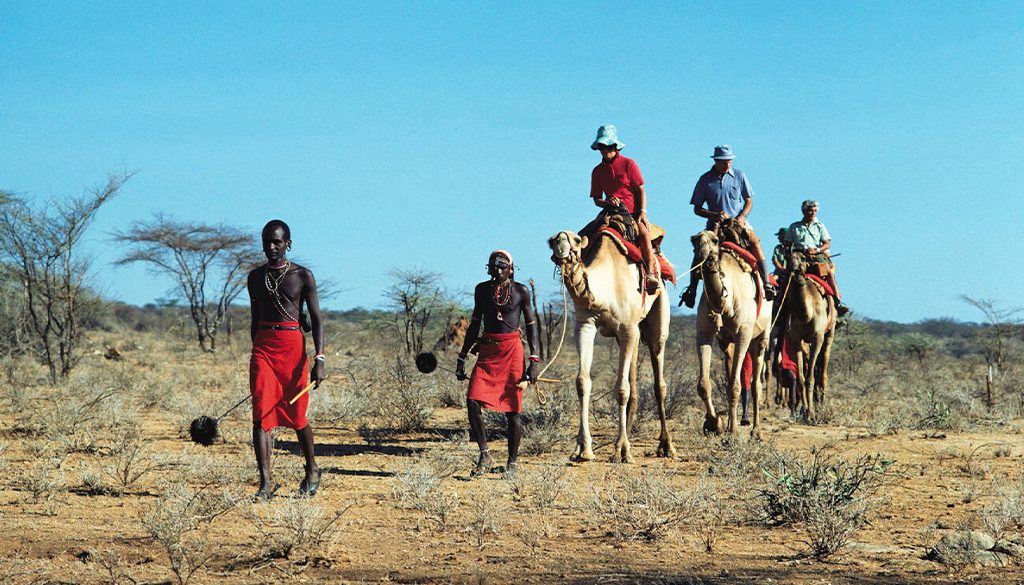
A camel trekking safari in Samburu isn’t just about travel; it’s about slowing down, reconnecting with nature, and experiencing the rhythms of the land the way local Samburu tribes have for centuries. The experience offers a rare chance to step off the beaten path and experience Kenya’s wild north in its purest form. Whether you choose a short trek or a multi-day expedition, you’ll carry memories that last a lifetime. In this guide, we’ll explore what camel trekking is, why Samburu is the perfect place for it, what to expect, and how much it costs — so you can plan a truly unforgettable journey.
Why Choose Camel Trekking in Samburu?
Samburu is a land of rugged beauty — red dust, acacia-dotted plains, winding rivers, and towering rocky outcrops. It’s quieter and less crowded than famous parks like the Maasai Mara, making it ideal for travelers seeking a more personal and wild experience.
Camel trekking in Samburu lets you immerse yourself in the landscape. Instead of rushing between game drives, you travel at the steady, rhythmic pace of a camel. You can hear the birds, feel the wind, and see wildlife without the hum of an engine. Samburu warriors, who lead most camel treks, share their deep knowledge of the bush, wildlife tracks, and cultural stories along the way.
This type of safari combines adventure, culture, and sustainability, offering a truly transformative travel experience.
What Exactly Is Camel Trekking?
Camel trekking involves traveling across wild terrain on the back of a camel (or walking alongside one), with camels carrying your supplies, tents, and meals. Depending on your fitness level and preference, you can ride or walk most of the journey.
Most camel trekking safaris in Samburu range from half-day experiences to multi-day expeditions that cover several kilometers a day. On longer trips, mobile camps are set up at scenic spots each evening, complete with campfires and traditional meals. It’s both a physical adventure and a deeply meditative experience.
The beauty of camel trekking is that it reconnects you with simplicity. Without vehicles or modern distractions, you’re left with pure wilderness and human connection — a true return to nature.
What You’ll See During Camel Trekking
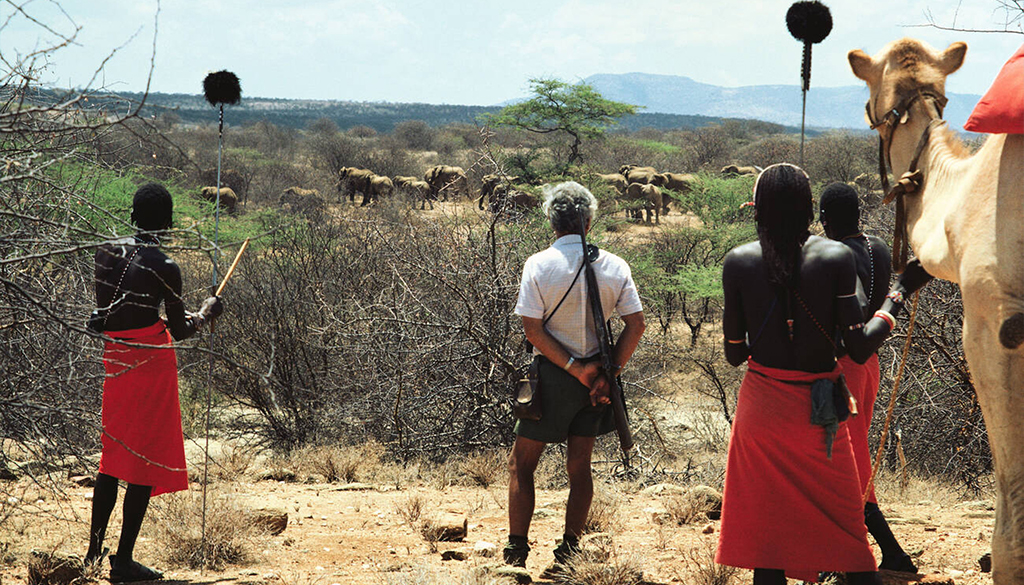
Samburu is home to rare and iconic wildlife species known as the Samburu Special Five — the Grevy’s zebra, reticulated giraffe, Beisa oryx, Somali ostrich, and gerenuk. You’re also likely to encounter elephants, lions, leopards, and a dazzling array of birdlife.
Unlike traditional safaris, camel trekking allows you to get closer to nature without disturbing animals. You may walk through dry riverbeds, acacia forests, and open plains, sometimes spotting wildlife from surprising proximity.
Equally fascinating are the Samburu people themselves — semi-nomadic pastoralists known for their colorful attire and rich traditions. Many camel treks include visits to local villages, giving you the chance to learn about Samburu culture, beadwork, and traditional ways of life.
How Much Does a Camel Trekking Safari Cost?
The cost of a camel trekking safari in Samburu depends on duration, comfort level, and whether you combine it with a lodge stay or other activities. Here’s a general breakdown:
-
Half-day or full-day treks: From US$80–200 per person, including guides, camels, and lunch.
-
2–3-day mobile camping safaris: Around US$400–700 per person, depending on the level of comfort and inclusions.
-
Luxury multi-day treks: Custom experiences starting at US$1,000+, featuring private guides, chef-prepared meals, and scenic overnight camps.
These prices usually include all meals, tents, camel handlers, and park fees. Always confirm whether transfers from your lodge are included.
If you want to extend your adventure, many tour operators combine camel trekking with traditional 4×4 game drives in Samburu National Reserve or cultural visits to neighboring community conservancies.
Best Time to Go Camel Trekking in Samburu
Samburu is a semi-arid region, so weather plays a big role in your trekking experience. The best times for camel trekking are during the dry seasons —
-
January to March
-
June to October.
During these months, the weather is warm, dry, and perfect for long walks and wildlife spotting. The short rainy seasons (April–May and November) can make trails muddy and less accessible, though they also bring stunning green landscapes.
What to Pack for Your Camel Trekking Adventure
Because you’ll be outdoors and moving through rugged terrain, packing smart is essential. Here’s what to bring:
-
Lightweight, breathable clothing in neutral colors
-
Comfortable walking shoes or boots
-
A wide-brimmed hat, sunglasses, and sunscreen
-
Reusable water bottle
-
Binoculars and a camera
-
A light jacket for cool evenings
-
Insect repellent and basic first aid kit
Operators usually provide camping gear, meals, and water, so your main focus should be comfort and sun protection.
Is Camel Trekking Safe and Suitable for Everyone?
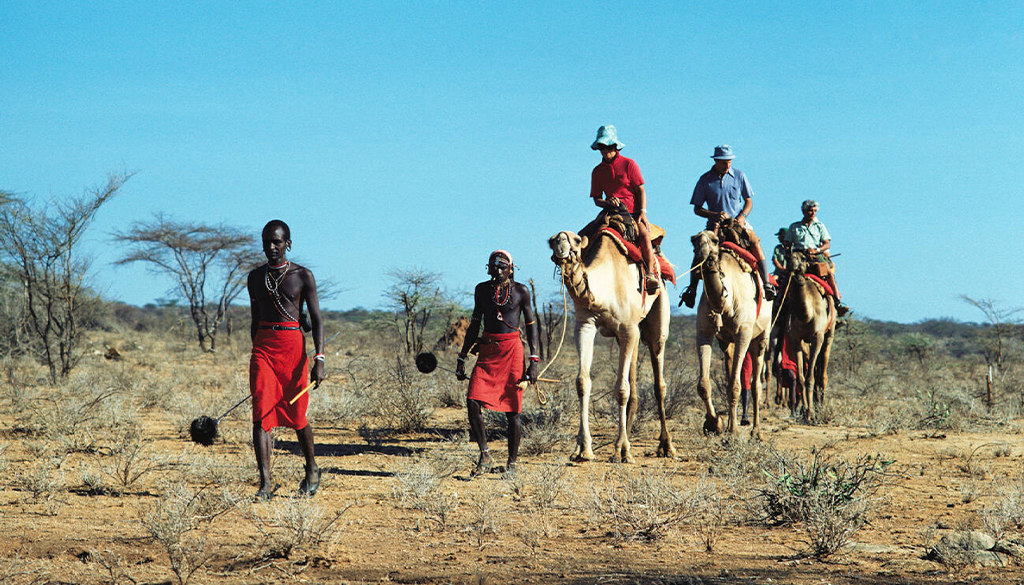
Yes! Camel trekking in Samburu is generally safe and suitable for most age groups. Children, families, and older travelers can all enjoy the experience, as treks move at a gentle pace. You’re always accompanied by trained guides and camel handlers who ensure safety and comfort throughout the journey.
That said, if you have mobility issues or health concerns, it’s best to inform your operator beforehand so they can tailor the route and duration to your needs.
Where to Book Your Camel Trekking Safari
Several reputable safari companies and community conservancies organize camel trekking safaris in Samburu. Many lodges, such as Saruni Samburu, Sasaab Lodge, and Samburu Intrepids, offer guided camel rides directly from their camps.
You can also find independent operators working with local Samburu communities, which ensures your trip supports conservation and local livelihoods. Always choose licensed guides and sustainable operators who prioritize ethical tourism.
Why Camel Trekking in Samburu Is Truly Special
In a world that moves too fast, camel trekking forces you to slow down — to see, hear, and feel the wilderness rather than pass through it. The soft footfall of camels, the warm Samburu sun, the songs of distant birds — every moment feels timeless.
It’s more than a safari; it’s a journey of connection. You connect with the land, the people, and yourself. For travelers seeking something beyond the typical game drive, camel trekking in Samburu is the perfect blend of adventure, culture, and mindfulness.
Help Me Plan My Trip!
Get a Quote
We would love to hear about your upcoming trip! Contact us to book a 1:1 consultation with one of our expert safari designers so we can discuss your trip in great detail together and get a quote. Initial consultations will be free of charge.

