
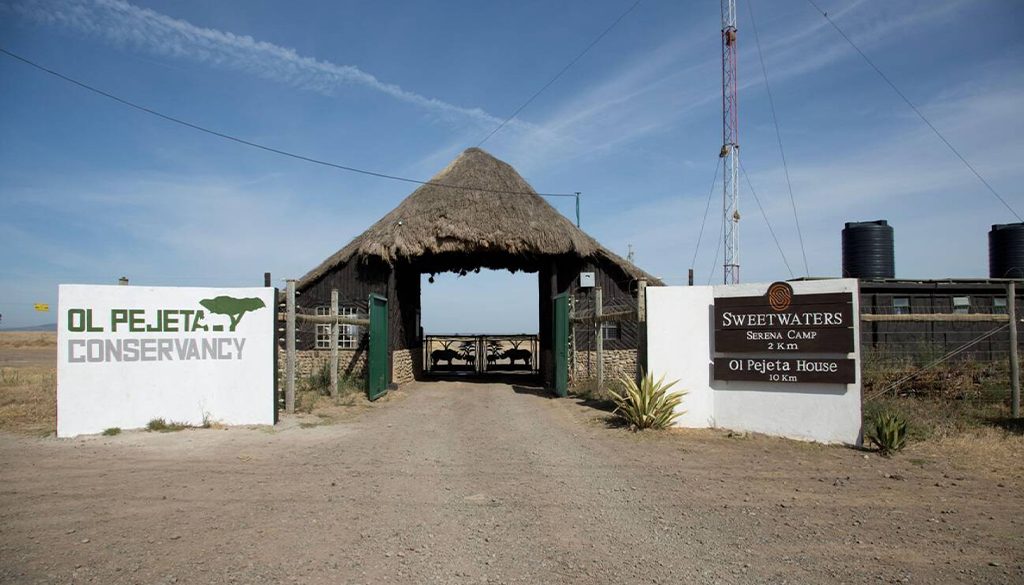
What is Ol Pejeta Conservancy?
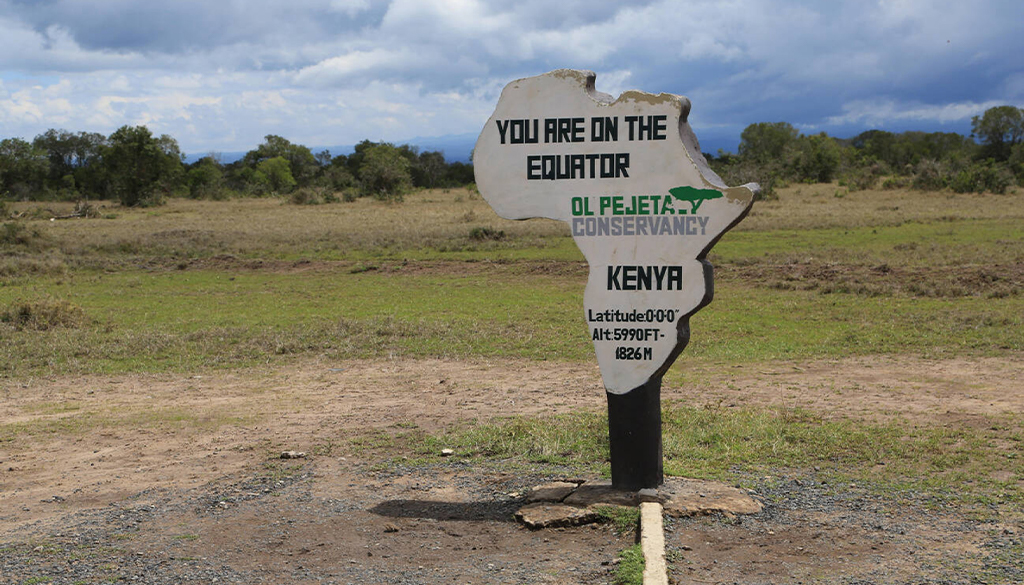
Found in central Kenya’s Laikipia County, Ol Pejeta Conservancy covers some 90,000 acres and sits between the foothills of the Aberdare Range and the snow-capped peak of Mount Kenya. Originally a cattle ranch, it has evolved into a world-class wildlife sanctuary and conservation hub. Here, you’ll find the Big Five (lion, leopard, buffalo, elephant, and rhino), the world’s last two northern white rhinos, and the only chimpanzee sanctuary in Kenya. Visiting Ol Pejeta Conservancy gives you the chance not only to see sensational wildlife but also to be part of a conservation story that benefits wildlife and people.

What to Expect on Your Visit
Wildlife Encounters
On game drives through Ol Pejeta Conservancy, the backdrop of Mount Kenya adds magic to every sighting. The conservancy is known for high-quality game viewing, including black rhinos in a secure habitat.
You will encounter elephants, lions, cheetahs, hyenas, and a wealth of plains herbivores. The open terrain and well-maintained roads make tracking and spotting wildlife easier, even for less experienced safari-goers.
If you are especially interested in rhinos, Ol Pejeta Conservancy stands out: it’s home to the critically endangered black rhino population and the last two northern white rhinos.
Conservation Impact
Concerted efforts in habitat management, anti-poaching, community engagement, and sustainable business models underpin Ol Pejeta’s success.
For example, the conservancy uses cattle as part of habitat-management tools, blending ranching and wildlife conservation—a model quite rare in Africa.
By visiting, you’re supporting a system where tourism revenue helps support conservation and local communities.
Practicalities & Visitor Tips
- It is about a 3-hour drive from Nairobi (depending on the start point and traffic) to reach Ol Pejeta Conservancy.
-
Entry gates open at about 07:00 and close around 19:00—vehicles need to depart by the set time.
-
The best times for game-viewing are the dry seasons (roughly June–September, December–February) when wildlife concentrates at waterholes.
-
Book your entry fees and activities in advance—Ol Pejeta offers online booking to reduce gate delays.
-
Pack smart: bring binoculars, neutral-coloured clothing, sunscreen, a reusable water bottle (the conservancy is plastic-free), and layers for chilly early mornings.
What Stands Out About Ol Pejeta Conservancy
Fewer Crowds, More Authenticity
Compared with some of Kenya’s busier national parks, Ol Pejeta offers a more intimate safari experience. You’re less likely to be inundated by safari vehicles, which means better photo opportunities and more meaningful encounters.
Unique Wildlife Stories
Meeting Baraka, the blind black rhino who acts as a conservation ambassador, or visiting the endangered species boma where the last northern white rhinos live, gives you a deeper connection to conservation stories that go beyond simply sightseeing.
A Model for Conservation in Action
Ol Pejeta Conservancy isn’t just a safari destination—it is an active conservation project. It reinvests tourism revenue into anti-poaching, habitat restoration, community development, and wildlife monitoring.
This means your visit has a dual purpose: you enjoy memorable wildlife encounters and you support meaningful conservation and community impact.
How to Make Your Visit Memorable
-
Stay for at least two nights. A day visit is possible, but spending extra time raises your chances of spotting more species and enjoying a fuller experience.
-
Choose an accommodation option that aligns with your interests—whether you prefer eco-luxury lodges, tented camps, or budget-friendly campsites.
-
Plan a guided game drive early in the morning or later in the afternoon—wildlife is most active during these times. Include one of the special experiences: visit the chimpanzee sanctuary, engage with rhino monitoring, or learn about the anti-poaching dog unit.
-
Combine your Ol Pejeta stay with nearby attractions like Mount Kenya or other conservancies in Laikipia for a broader safari circuit.
Things to Keep in Mind
-
Although the conservancy is accessible, weather (especially in the rainy season) can affect roads and visibility. The wet seasons may present logistical challenges.
-
Safaris come with costs: aside from accommodation, the entry fees, conservation levies, and guided activity costs add up. Be clear on what’s included.
-
If you are on a tighter budget, check whether the entry fee is included in your accommodation package or needs to be paid separately.
-
Respect the rules: stay in your vehicle unless instructed, follow guide advice, and maintain safe distances from wildlife. These rules help protect you and the animals.
Help Me Plan My Trip!
Get a Quote
We would love to hear about your upcoming trip! Contact us to book a 1:1 consultation with one of our expert safari designers so we can discuss your trip in great detail together and get a quote. Initial consultations will be free of charge.

