
Choosing the best time to go on a safari in Kenya is one of the most important decisions you can make when planning your African adventure. Kenya is a year-round safari destination, famous for its sweeping savannahs, diverse wildlife, and dramatic seasonal migrations. But while every month has something unique to offer, the experience can vary greatly depending on weather, animal movements, and visitor numbers. Understanding these differences ensures you enjoy your trip to the fullest, whether you’re after iconic wildlife moments, great photography conditions, or quieter, more relaxed travel.
Why Timing Matters for a Kenyan Safari
Kenya’s wildlife is abundant throughout the year, but the timing of your visit can shape the kind of safari you experience. Safari conditions depend on rainfall patterns, vegetation growth, breeding cycles, and migration movements. Because Kenya has two rainy seasons and two dry seasons, the landscape and animal behavior shift throughout the year.
Many travelers ask about the best time to go on a safari in Kenya because they want to experience optimal wildlife viewing. While the dry seasons are typically considered the most predictable and rewarding, the greener, quieter months can provide breathtaking scenery and unique sightings too. Understanding these patterns helps ensure you’re not just visiting the right place, but visiting at the right moment.
The Dry Seasons (January-February and June-October)
For many travelers, the dry months are widely regarded as the best time to go on a safari in Kenya. During these periods, the weather is clear, the grass is short, and animals gather around remaining water sources, making them easier to spot.
January to February – The First Dry Season
These months are warm, sunny, and excellent for wildlife viewing. Game parks like Amboseli, Samburu, and the Masai Mara offer exceptional sightings, and photographers love the crisp skies and vibrant sunsets. This is also a great time to witness baby animals, as many species give birth shortly after the short rains.
June to October -The Long, Prime Dry Season
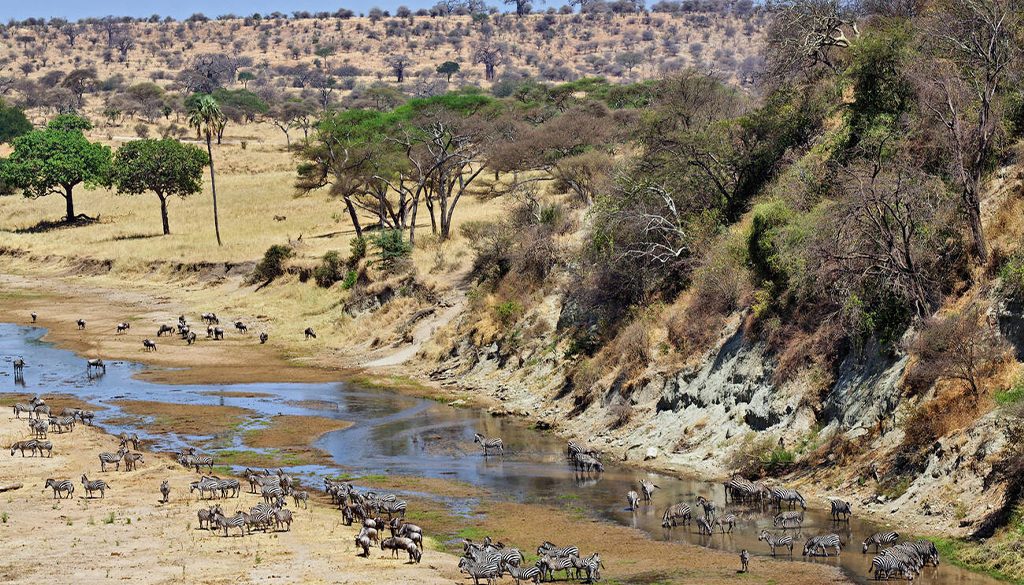
This is often considered the peak safari season. The landscape becomes even drier, wildlife viewing conditions improve, and the famous Great Migration movements occur from July to September in the Masai Mara. If your dream is to see thrilling river crossings or massive herds of wildebeest and zebra, this season is unbeatable.
The Green Seasons (March-May and November-December)
While not always considered the classic best time to go on a safari in Kenya, the green seasons have their own charm and advantages.
March to May – The Long Rains
This is the wettest period of the year. Heavy rains can make roads muddy, and wildlife may disperse due to lots of water. However, the landscape becomes lush and beautiful, birdlife is amazing, and safari lodges often offer reduced rates. If you prefer fewer tourists and lower prices, this could be appealing-provided you don’t mind potential showers.
November to December – The Short Rains
The shorter rainy season brings brief showers, mostly in the afternoons or evenings. Wildlife remains active, the scenery is vibrant, and visitor numbers are lower than in the peak dry season. Many travelers consider this an underrated time to visit, as conditions remain favorable while costs and crowds are more manageable.
The Great Migration: A Seasonal Spectacle
For many, the best time to go on a safari in Kenya revolves around the timing of the Great Migration. This breathtaking cycle of over a million wildebeest, zebra, and gazelle moving between the Serengeti and the Masai Mara is one of the world’s most dramatic wildlife events.
Best Time by Destination Inside Kenya
Different parks shine at different times:
Masai Mara
Best for the Great Migration: July-October
Excellent general wildlife viewing: January-February and June-October
Amboseli National Park
Peak elephant sightings with views of Mount Kilimanjaro: January-February and June-October
Samburu National Reserve
Great year-round, but especially rewarding during the dry months.
Tsavo East & West
Best during the dry seasons when vegetation thins out.
Understanding each park’s peak season helps you tailor your trip depending on whether you want predators, landscapes, elephants, or rare northern species.
Weather Considerations and Comfort
Comfort is often overlooked but deeply important when choosing the best time to go on a safari. Kenyan temperatures vary based on altitude and region, but generally:
Dry seasons: Warm days, cool nights
Rainy seasons: Humid, with occasional storms
Highlands: Cooler temperatures year-round
Coastal areas: Hot and tropical
If you prefer cooler, clearer days, the dry months will suit you best. If you enjoy lush scenery and fewer crowds, the rainy months offer a refreshing experience.
So When Is the Best Time?
While Kenya is spectacular all year, most travelers agree that the best time to go on a safari in Kenya is during the dry seasons-especially June to October. Wildlife concentration is high, roads are accessible, and the Great Migration adds unforgettable drama to the landscape.
However, your personal preferences matter. Whether you prioritize photography, lower prices, exclusivity, or migration sightings, there’s a season that fits your goals perfectly.
Help Me Plan My Trip!
Get a Quote
We would love to hear about your upcoming trip! Contact us to book a 1:1 consultation with one of our expert safari designers so we can discuss your trip in great detail together and get a quote. Initial consultations will be free of charge.

