
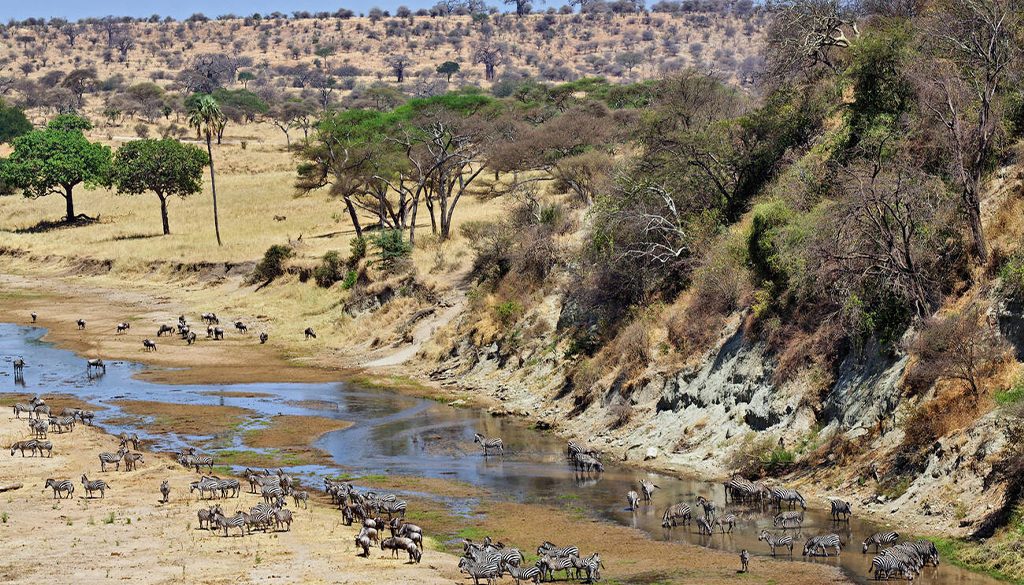
Ways a Kenyan safari supports local communities is a powerful and inspiring story that many travelers don’t often hear about. Beyond the incredible wildlife, breathtaking landscapes, and unforgettable adventures, a Kenyan safari plays a crucial role in improving the lives of the people who call these wild spaces home. Every time you book a safari, stay in a lodge, hire a guide, or visit a cultural village, you contribute directly to local economies, education opportunities, conservation programs, and long-term community development.
This guide explores 10 ways a Kenyan safari supports local communities in meaningful, sustainable, and life-changing ways, ensuring your journey has an impact long after you’ve returned home.
1. Creating Employment for Local Residents
One of the most significant ways a Kenyan safari supports local communities is through job creation. Tourism is a major employer in Kenya, especially in regions near national parks and reserves. Lodges, camps, tour companies, and conservancies rely heavily on local talent.
Common safari-related jobs filled by local community members include:
- Safari guides and trackers
- Drivers
- Chefs and hospitality staff
- Housekeeping and maintenance teams
- Community liaison officers
- Conservancy rangers
- Cultural experience presenters
These roles provide stable income and valuable skills, empowering families and uplifting entire communities. When you choose Kenyan-owned lodges or operators who prioritize local hiring, your safari dollars go even further in supporting sustainable livelihoods.
2. Funding Conservation Through Community Conservancies
Community conservancies are one of the most impactful examples of ways a Kenyan safari supports local communities. These conservancies, such as Ol Pejeta, Mara North, and Namunyak, are co-managed by local people who collaborate with conservation organizations and tourism partners.
How conservancies benefit communities:
- Residents receive income from land leased to safari lodges
- Entrance fees fund community projects
- Anti-poaching units hire and train locals
- Wildlife protection creates long-term, sustainable tourism revenue
By visiting conservancies rather than overcrowded parks, you directly support this model, helping communities protect wildlife while benefiting economically.
3. Supporting Education and Youth Programs
Education is another powerful example of ways a Kenyan safari supports local communities. Many safari lodges and tour companies run scholarship funds, donate school supplies, and help build classrooms in nearby villages.
How a safari contributes to education:
- A percentage of lodge profits go to local schools
- Guests often sponsor students after visiting
- Lodges fund teacher salaries or school feeding programs
- Conservation clubs teach young people the value of protecting wildlife
When children have access to education, communities grow stronger, healthier, and more sustainable for generations. Travelers can even visit schools to understand how their trip makes a difference (done respectfully and only when appropriate).
4. Empowering Women Through Tourism
Women’s empowerment is a major part of ways a Kenyan safari supports local communities. More safari enterprises today work directly with women’s groups, providing opportunities that were historically limited.
Women benefit through:
- Employment in lodges (management, hospitality, guiding)
- Craft-making and beadwork sold to visitors
- Community-owned tourism enterprises
- Participation in conservancy leadership
- Training in business, finance, and conservation
Every time you purchase beadwork, stay at a community-owned lodge, or book an experience led by women, you help create financial independence and expand opportunities for future generations.
5. Preserving Culture Through Responsible Tourism
A safari is not just about wildlife, it’s also a chance to learn about Kenya’s rich cultural heritage. Supporting cultural experiences is another way a Kenyan safari supports local communities.
Responsible cultural tourism offers:
- Income for traditional dancers, artisans, and storytellers
- Support for cultural centers and museums
- Preservation of local languages and traditions
- Pride and unity within communities
When done ethically, with transparency and respect, your visit helps preserve culture while providing direct economic benefits.
6. Boosting Local Businesses and Entrepreneurs
A Kenyan safari involves more than just the lodge you stay in. Your journey stimulates a wide network of local businesses.
This includes:
- Farmers supplying fresh produce
- Drivers and transportation services
- Local markets and craft centers
- Photographers and filmmakers
- Tailors, carpenters, and builders
- Curio shops
Your spending circulates within the economy, directly strengthening community entrepreneurship.
7. Supporting Health and Community Infrastructure
Many safari lodges and conservancies invest heavily in improving local healthcare and infrastructure, a lesser-known but important part of ways a Kenyan safari supports local communities.
Common community projects include:
- Building or renovating clinics
- Funding mobile health services
- Providing clean water systems
- Supporting maternity care
- Improving roads and communication networks
These initiatives dramatically improve quality of life, especially in remote areas near wildlife reserves.
8. Promoting Environmental Awareness and Sustainable Living
Safaris encourage communities to protect the environment because healthy ecosystems support tourism. This is one of the key ways a Kenyan safari supports local communities sustainably.
Local benefits include:
- Training on sustainable agriculture
- Tree-planting and reforestation programs
- Waste management initiatives
- Investment in renewable energy (solar power in camps)
- Water conservation technologies
Tourism encourages communities to value long-term environmental health.
9. Creating Pride in Wildlife and Conservation
When communities see the financial and social benefits of tourism, wildlife becomes an asset rather than a threat. This emotional and economic connection is a huge part of ways a Kenyan safari supports local communities.
Communities that once faced human-wildlife conflict now actively protect elephants, lions, rhinos, and other species, ensuring Kenya’s wilderness thrives for future generations.
10. Encouraging Direct Contribution Through Sustainable Travel Choices
Choosing responsible operators, staying in eco-lodges, buying locally made products, and tipping fairly are all ways you can personally make an impact.
Your conscious choices help by:
- Providing income directly to families
- Sustaining conservation programs
- Strengthening tourism infrastructure
- Encouraging operators to maintain ethical standards
Your safari becomes a force for positive change.
Conclusion: Your Safari Truly Makes a Difference
Understanding ways a Kenyan safari supports local communities reveals just how powerful your travel choices can be. Every game drive, every lodge stay, every handcrafted souvenir, and every conservancy visit fuels a cycle of empowerment, conservation, and cultural preservation.
When you choose ethical and sustainable safari operators, your journey becomes more than an adventure, it becomes a meaningful contribution to the people who protect Kenya’s wildlife and landscapes every day.
Your safari doesn’t just change your life; it helps change theirs too.
Help Me Plan My Trip!
Get a Quote
We would love to hear about your upcoming trip! Contact us to book a 1:1 consultation with one of our expert safari designers so we can discuss your trip in great detail together and get a quote. Initial consultations will be free of charge.

