
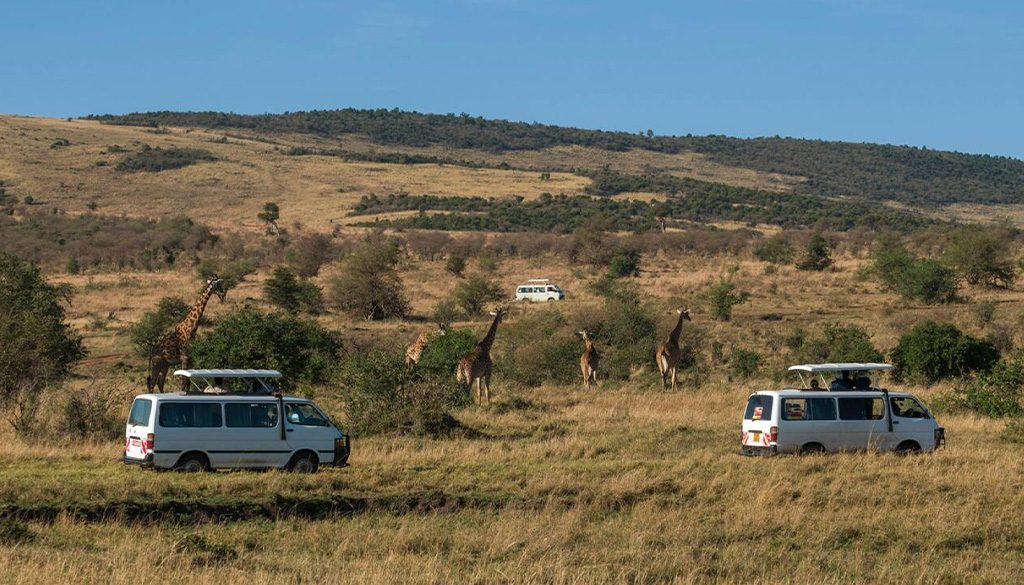
The survival of Kruger’s endangered species has ripple effects far beyond park boundaries, influencing biodiversity, tourism, and local livelihoods. Kruger National Park is one of Africa’s most celebrated conservation success stories, yet behind its vast landscapes and iconic wildlife lies an ongoing battle for survival. Many animals roaming this legendary park face serious threats, from poaching to habitat loss. When a species disappears, ecosystems lose balance. Predators, prey, vegetation, and even river systems are affected. Protecting Kruger endangered species is not just about saving animals, it’s about preserving an entire natural system. Understanding Kruger endangered species is essential for travelers, conservationists, and wildlife lovers who want to protect what makes this ecosystem extraordinary.
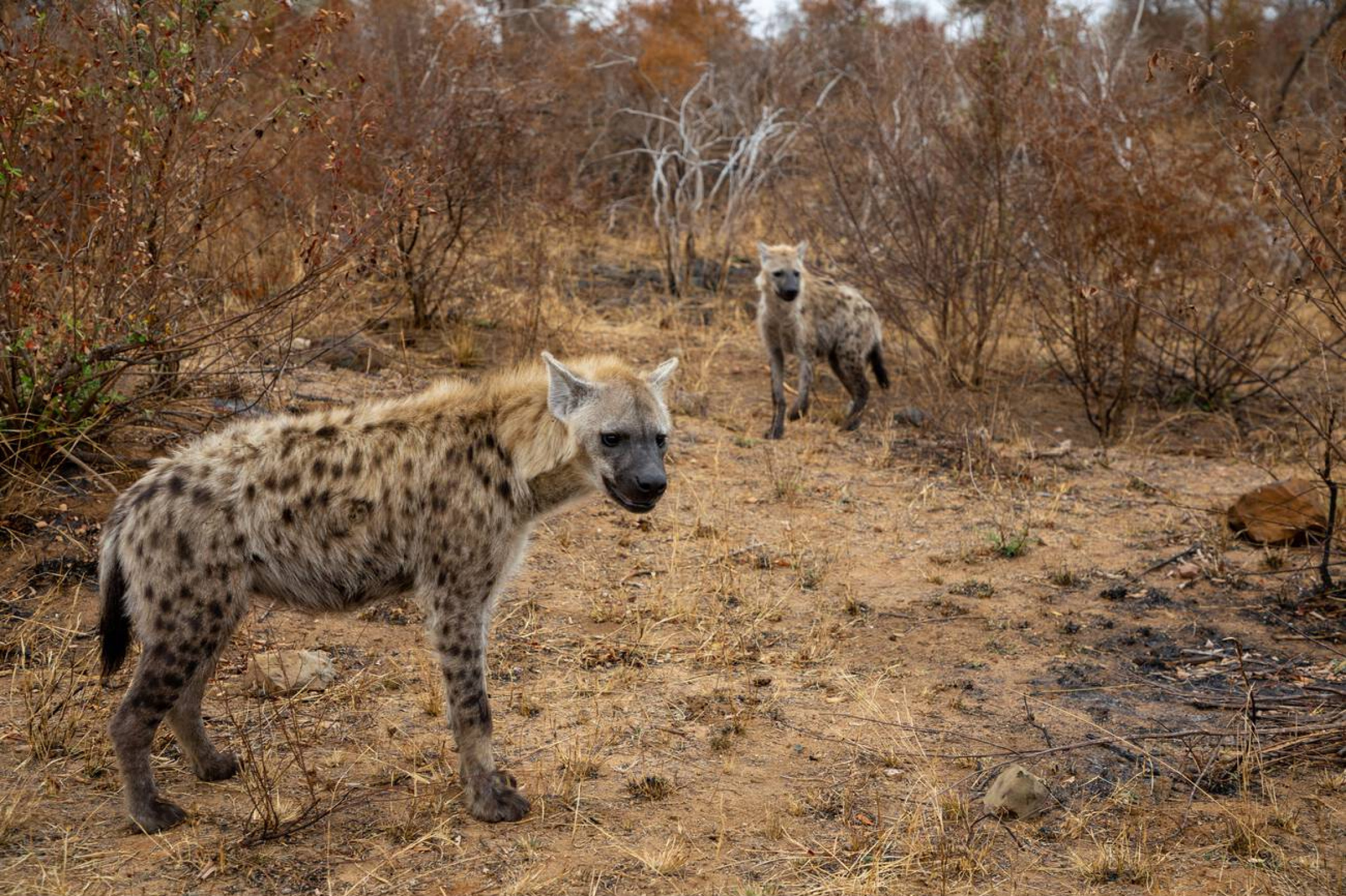
Kruger’s endangered species
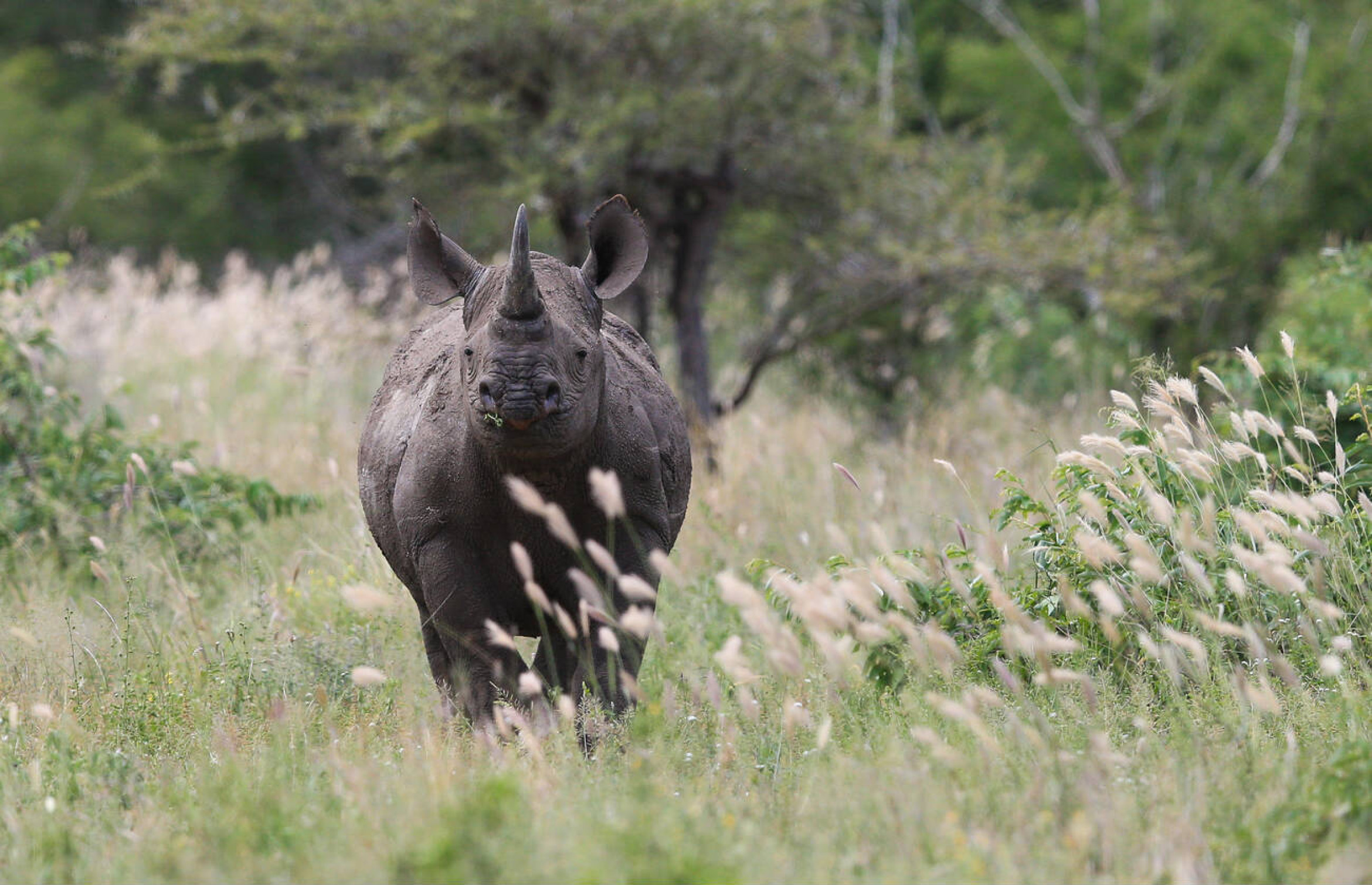
Black Rhinoceros – Critically Endangered
The black rhino is one of the most iconic Kruger endangered species. Once widespread across Africa, its population has been devastated by poaching driven by illegal horn trade.
Kruger National Park holds one of the largest remaining black rhino populations, thanks to intensive protection measures. Armed anti-poaching units, aerial surveillance, and tracking technologies have helped slow population declines, but the species remains critically endangered.
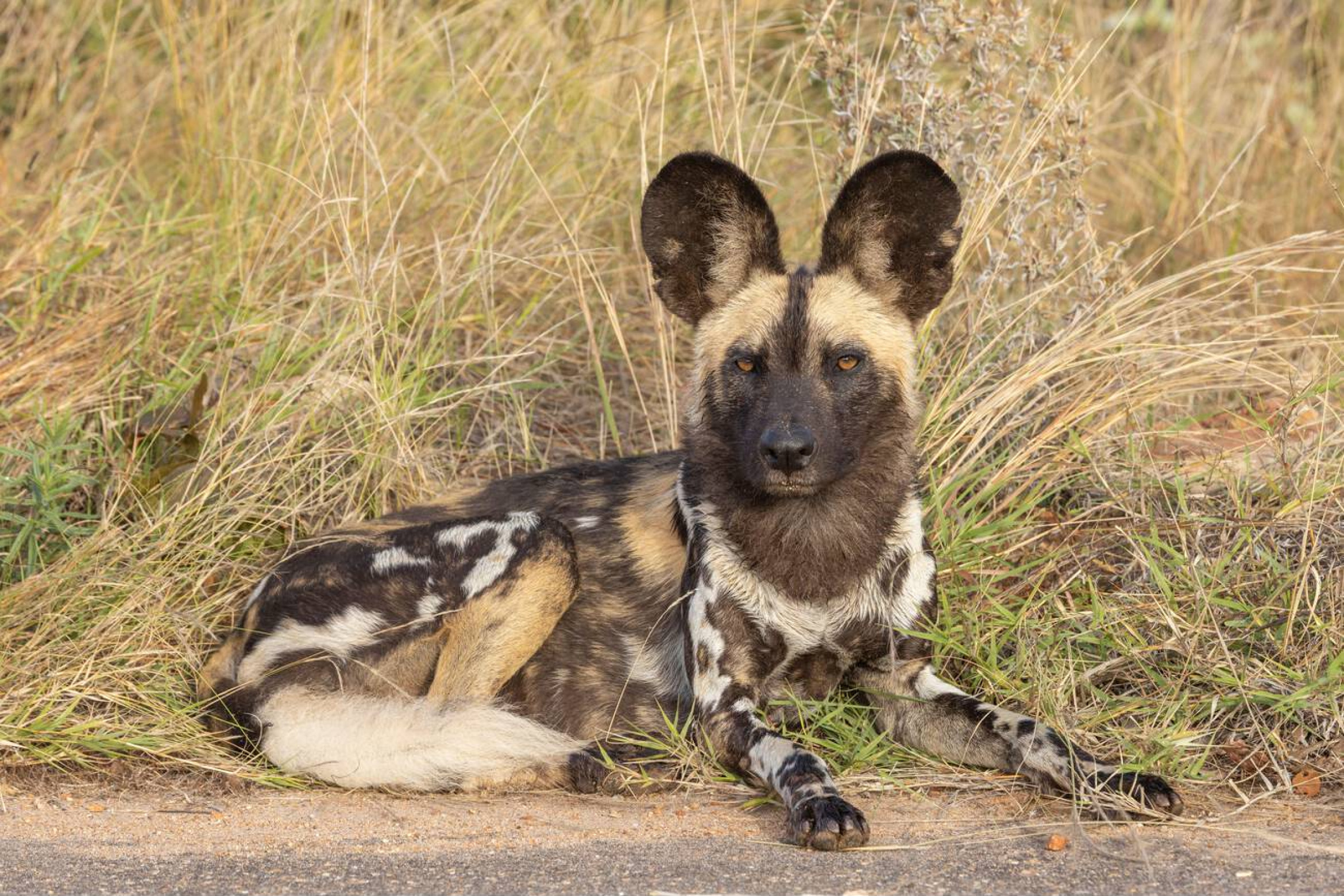
African Wild Dog – Rare and Vulnerable
African wild dogs are among the most endangered carnivores in Africa and a key example of Kruger endangered species under threat. With fewer than 7,000 individuals left in the wild, sightings in Kruger are rare and special.
They face challenges from habitat fragmentation, disease, and competition with larger predators. Kruger’s vast, protected landscapes offer one of the best chances for wild dog packs to survive and thrive.
Pangolin – Africa’s Most Trafficked Mammal
Often unseen and rarely discussed, pangolins are one of the most endangered animals in the world. As part of Kruger endangered species, they face immense pressure from illegal wildlife trafficking.
Their scales are highly valued on the black market, despite having no proven medicinal value. Kruger’s strict law enforcement and conservation monitoring make the park a vital refuge for this elusive species.
Cheetah – Under Threat but Resilient
Cheetahs are listed as vulnerable, making them an important member of Kruger endangered species. While Kruger offers suitable habitat, cheetahs struggle with low genetic diversity and competition from lions and hyenas.
Open grasslands in the southern and central regions of the park provide prime hunting grounds. Continued protection of these areas is essential for cheetah survival.
Lappet-Faced Vulture – Endangered Scavenger
Vultures play a critical role in ecosystems, yet they are often overlooked. The lappet-faced vulture is among the most threatened Kruger endangered species, suffering from poisoning, power line collisions, and habitat loss.
Kruger supports some of the healthiest remaining vulture populations in southern Africa. Their presence helps prevent the spread of disease by cleaning up carcasses quickly and efficiently.
Ground Hornbill – A Declining Giant
The southern ground hornbill is another notable species within Kruger endangered species. This large, slow-breeding bird faces habitat destruction and human conflict outside protected areas.
Kruger provides safe nesting grounds and long-term monitoring programs, helping stabilize populations. Seeing one in the wild is a reminder of how fragile even large species can be.
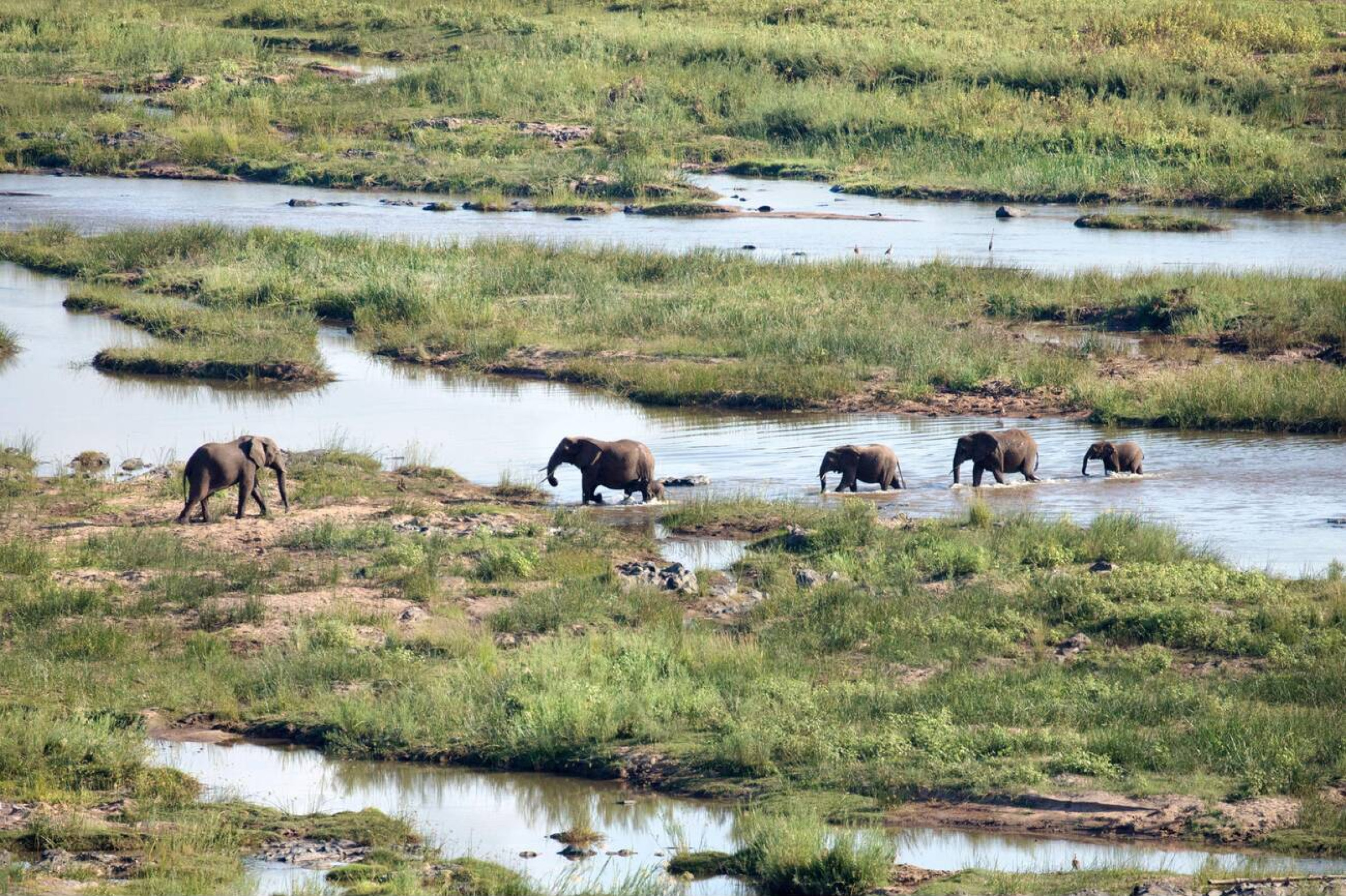
African Elephant – Protected but Pressured
Although elephants are more numerous than some species on this list, they are still considered vulnerable in many regions. As part of Kruger endangered species, elephants face threats from ivory poaching and habitat compression.
Kruger hosts one of Africa’s largest elephant populations, but managing their numbers sustainably remains a complex challenge. Conservation strategies focus on balancing ecosystem health with elephant protection.
Lion – Declining Across Africa
Lions are often seen as abundant in Kruger, but across Africa their numbers are shrinking. As part of Kruger endangered species, lions face threats from habitat loss, human-wildlife conflict, and reduced prey availability outside the park.
Kruger’s protected status makes it a critical stronghold for the species, offering space and prey necessary for long-term survival.
How Kruger Protects Endangered Species
Kruger National Park employs a multi-layered conservation approach to protect Kruger endangered species:
- Advanced anti-poaching units and surveillance
- Cross-border cooperation with neighboring countries.
- Scientific research and wildlife monitoring
- Community engagement and education
- Sustainable tourism funding conservation efforts
- Tourism revenue plays a major role in financing protection
- programs, making responsible travel a powerful conservation tool.
How you (visitor) Can Support Kruger Endangered Species
Every visitor can contribute to protecting Kruger endangered species:
- Choose eco-conscious lodges and tour operators
- Respect park rules and wildlife viewing guidelines
- Avoid purchasing wildlife products
- Support conservation organizations working in Kruger
- Share awareness about endangered species protection
- Small actions collectively create meaningful impact.
Kruger National Park is more than a safari destination, it is a frontline defense for some of Africa’s most threatened wildlife. Understanding Kruger endangered species deepens appreciation for the park’s role in conservation and highlights the urgency of continued protection. By supporting ethical tourism and conservation initiatives, visitors help ensure that these species survive for generations to come. Kruger’s endangered animals are not just symbols of the wild, they are living proof that conservation, when done right, can still make a difference.
Help Me Plan My Trip!
Get a Quote
We would love to hear about your upcoming trip! Contact us to book a 1:1 consultation with one of our expert safari designers so we can discuss your trip in great detail together and get a quote. Initial consultations will be free of charge.

