For the modern voyager who views travel as an art form, the African continent offers two distinct canvases: the national park and the private conservancy. While both are vital sanctuaries for biodiversity, the choice between them defines the very texture of your journey. To understand the nuance of private conservancy vs national park is to understand the difference between a public theater and a private viewing—one offers the grandeur of the masses, while the other offers the intimacy of the elite.
When planning a sustainable luxury safari, this distinction is the most critical decision you will make. It is a choice that balances the thrill of iconic, vast landscapes against the whispered exclusivity of a wilderness reserved for the few.
The National Park: The Grand Stage of Nature
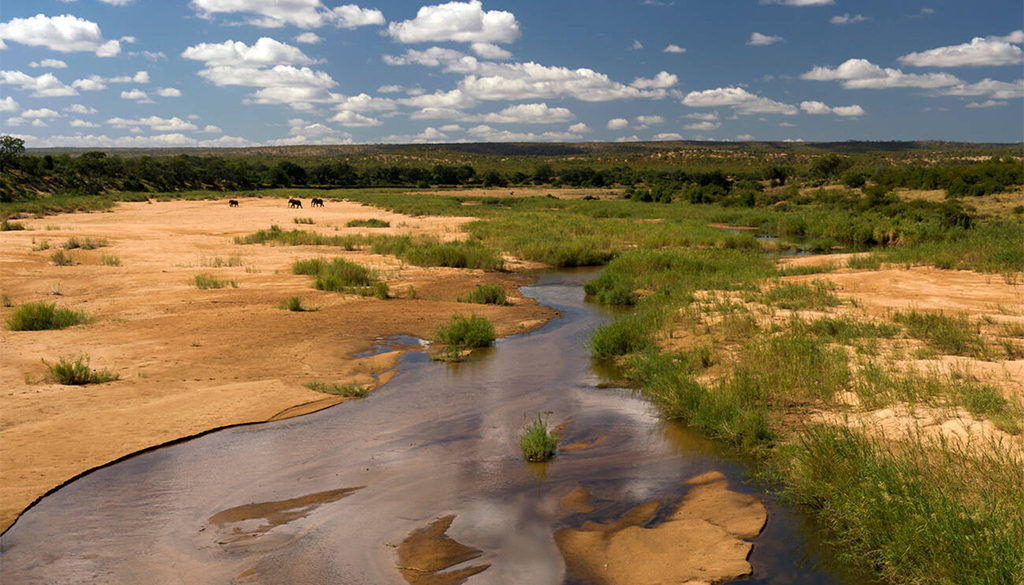
Africa’s national parks—the Serengeti, the Kruger, and the Maasai Mara National Reserve—are the legendary bastions of conservation. These are government-managed territories of immense scale, often spanning millions of acres. They are the settings for nature’s most dramatic spectacles, such as the thundering river crossings of the Great Migration.
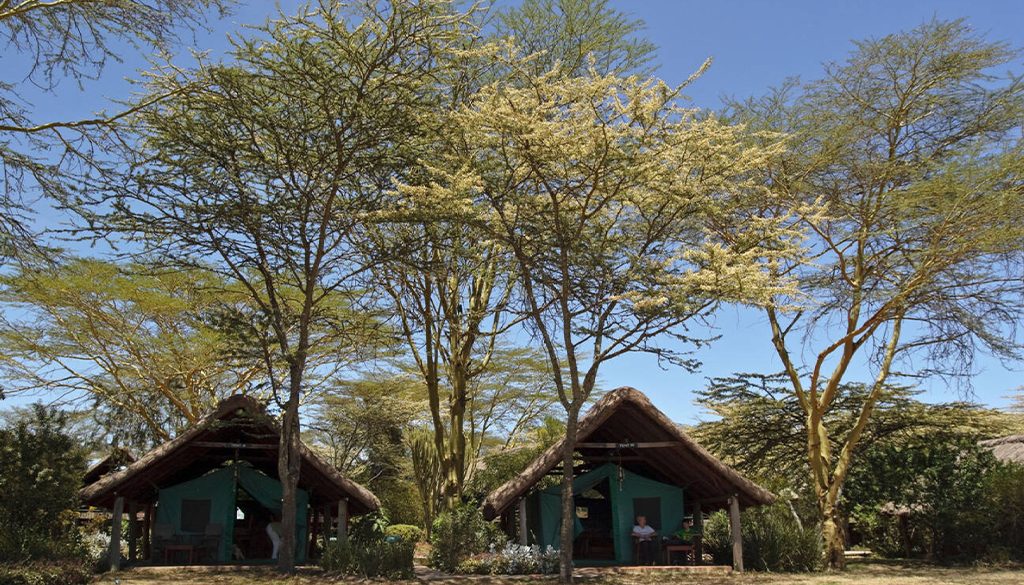
The allure of the national park lies in its sheer magnitude. There is a primal power in standing amidst the endless plains of the Serengeti, knowing the horizon stretches for hundreds of miles of protected land. However, this accessibility comes with a social cost. National parks are public land; they are open to all, from self-drive adventurers to larger tour groups. During peak seasons, a rare sighting, perhaps a cheetah on a termite mound, can attract a dozen vehicles, a reality that can occasionally interrupt the profound connection to the wild that many travelers seek.
In these regions, regulations are strict and uniform. Vehicles must remain on designated tracks to protect the delicate flora, and the park gates close at sunset, meaning the mysteries of the nocturnal world remain largely out of reach.
The Private Conservancy: The Inner Sanctum
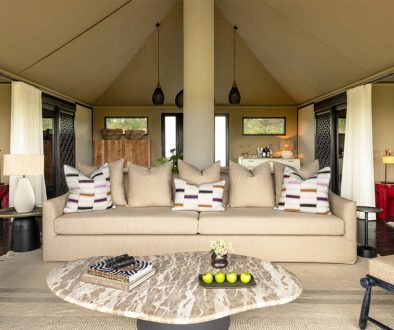
For those who demand a deeper level of seclusion, the private conservancy is the ultimate evolution of the sustainable luxury safari. These are typically community-owned or privately leased lands that border the national parks. Because there are no fences, the wildlife moves freely between the two, yet the human experience is radically different.
In a private conservancy vs national park comparison, the conservancy wins on exclusivity every time. Access is strictly limited to the guests staying at a handful of elite lodges within its borders. Here, you are not a tourist; you are a patron of a private wilderness. It is common to spend an entire morning tracking a pride of lions without seeing another soul.
The freedom of the conservancy model allows for a more tactile, unscripted adventure. Guides are permitted to drive off-road, weaving through the acacia thickets to bring you within meters of a sighting. Furthermore, the adventure does not end when the sun dips below the horizon. Private conservancies offer the thrill of night drives, where filtered spotlights reveal the glowing eyes of leopards, honey badgers, and elusive genets—creatures that remain hidden from the daylight traveler.
The Soul of the Matter: Community and Conservation
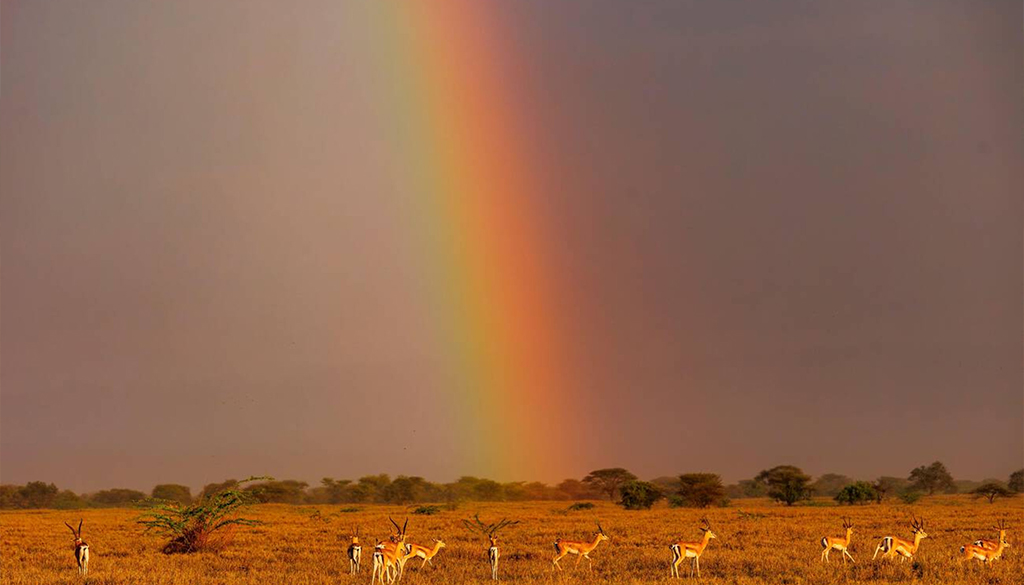
The heart of the private conservancy is its human element. This model is built on a sophisticated partnership between luxury tourism and local communities, particularly the Maasai and Samburu. When you choose a conservancy, a significant portion of your fees goes directly to the local landowners. This creates a powerful economic incentive for these communities to protect the wildlife and the habitat rather than converting the land for agriculture or livestock.
In places like Loisaba or Mara Naboisho, your stay fuels a virtuous cycle. It funds anti-poaching units, pays for school fees, and supports mobile health clinics. For the traveler who values legacy, this is the highest form of sustainable luxury safari. You are not merely consuming a view; you are investing in the survival of a culture and its heritage.
The Zambian Exception: Walking with Giants
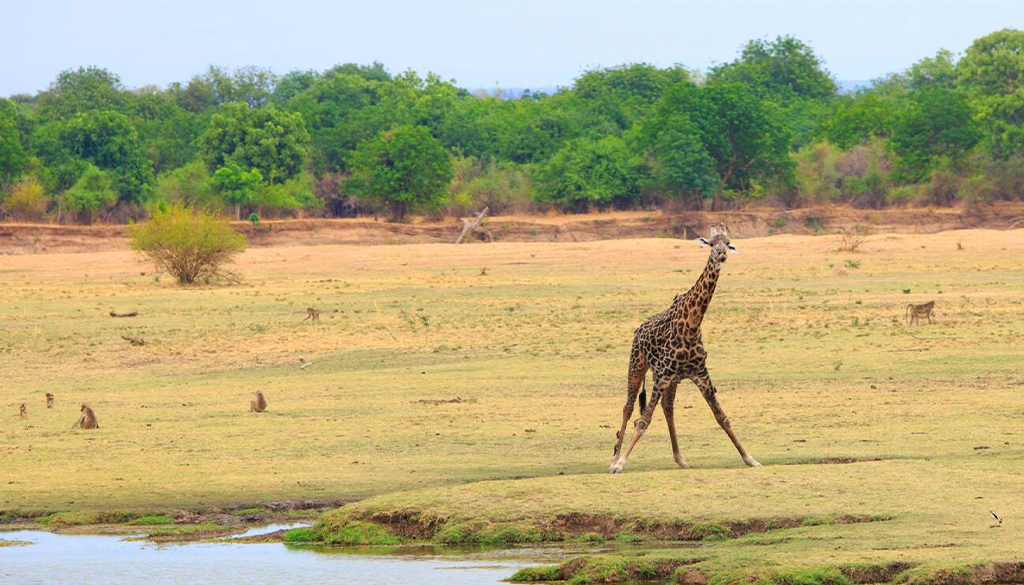
It is worth noting that some regions, such as South Luangwa National Park in Zambia, offer a hybrid experience. While it is a national park, its heritage of walking safaris allows for a degree of intimacy rarely found in other public reserves. Here, you can descend from the vehicle and walk through the bush, guided by an armed scout and an expert naturalist. It is a reminder that while the private conservancy vs national park debate is a helpful guide, each ecosystem has its own unique rhythm and rules.
The Verdict: Why Choose One?
The most sophisticated itineraries often do not choose at all—they combine both. We recommend starting with the grand scale of the national park to witness the “bucket list” sights, such as the Ngorongoro Crater or the Mara River. Then, retreat to the quiet sanctuary of a private conservancy to decompress and delve deeper.
In the conservancy, the pace slows down. You have the time to sit with a leopard for hours, to enjoy a white-linen lunch under a lone desert date tree, or to take a guided walk to learn the ancient tracking secrets of your Maasai guide. This is where the emotional connection to Africa is cemented. It is where the silence becomes a soundtrack and the wild becomes your home.
2026: The Year of the Intentional Traveler
As we navigate 2026, the global elite are moving away from passive observation toward intentional participation. A sustainable luxury safari in a private conservancy allows you to be a part of the solution. It is a statement that you value the quality of the encounter over the quantity of the sightings. The African wilderness is a finite treasure. By choosing the conservancy model, you are ensuring that the land remains wild, the animals remain protected, and the communities remain prosperous. It is the ultimate luxury: the peace of mind that comes from knowing your journey has left the world better than you found it.
Help Me Plan My Trip!
Get a Quote
We would love to hear about your upcoming trip! Contact us to book a 1:1 consultation with one of our expert safari designers so we can discuss your trip in great detail together and get a quote. Initial consultations will be free of charge.