
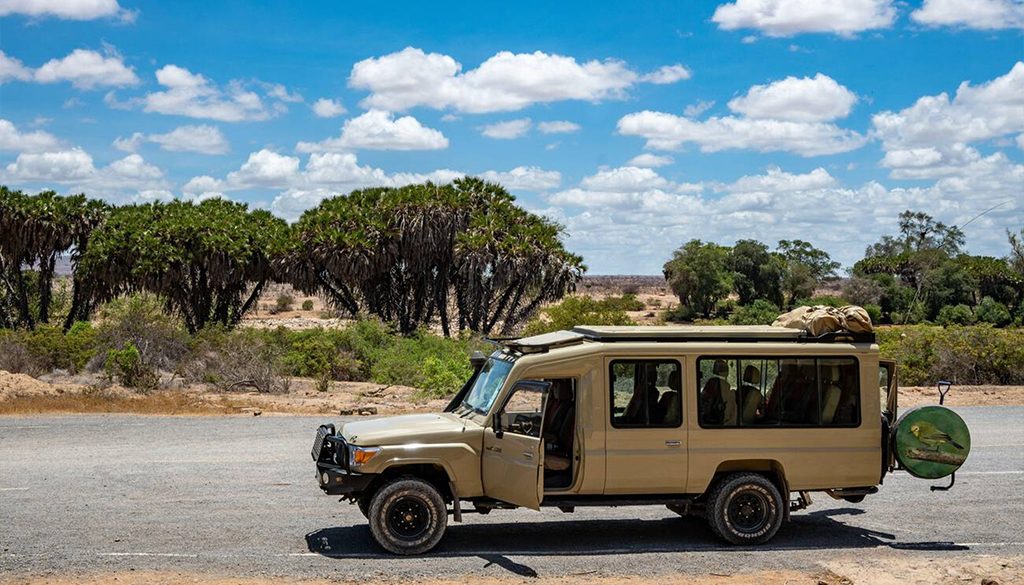
For the traveler who has seen the world’s greatest cities and stayed in its finest suites, there remains one journey that stands above the rest: the African safari. But a safari is not a static event. It is a living, breathing experience shaped by rain, light, and the ancient movement of wildlife across the land. Understanding the best time for safari in Africa is the difference between simply seeing animals and witnessing the soul of the wild.
As we look toward the 2026 season, East Africa remains the continent’s crown jewel. From the gold-dusted plains of the Maasai Mara in Kenya to the endless horizons of Tanzania’s Serengeti, timing defines not just what you see—but how deeply you feel it.
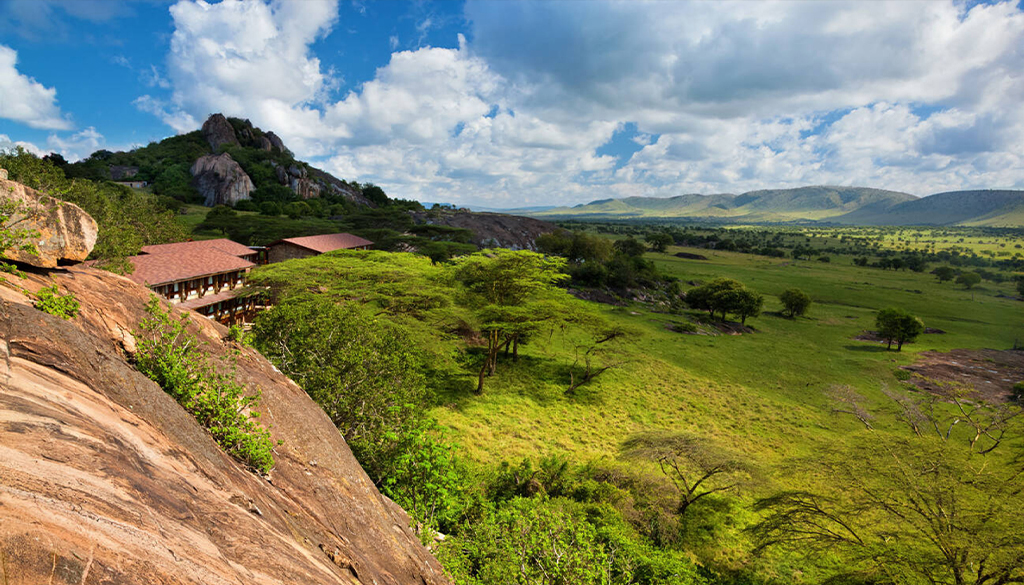
The Golden Era (June to October): The Best Time for Safari in Africa
Ask any seasoned guide when the best time for safari is, and the answer almost always falls between June and October. This is the great dry season, when the land reveals its secrets. As the rains fade, the grass shortens and visibility improves dramatically. Predators such as lions and leopards have fewer places to hide, and sightings become more frequent and more cinematic.
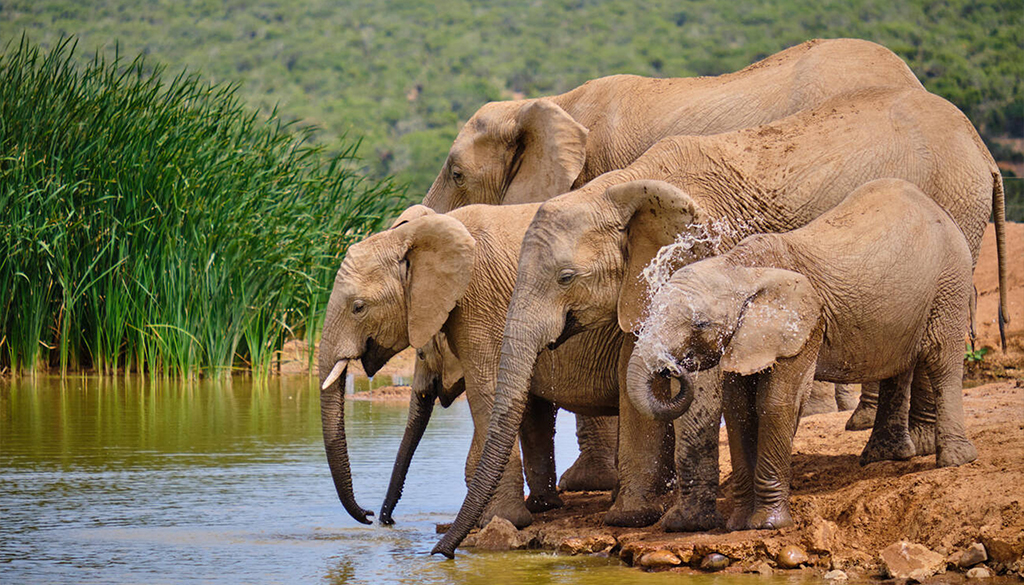
Water becomes the great equalizer. As smaller streams dry up, animals gather at permanent rivers and waterholes. For the guest, this means moments of extraordinary proximity—watching herds of elephants materialize from the dust as you sit quietly in a private vehicle, drink in hand, the air charged with anticipation. This period is widely considered the best time for safari for first-time visitors seeking consistent wildlife sightings and classic African scenery.
The Heartbeat of the Migration (August to September)
Within the dry season lies the most iconic wildlife event on earth: the Great Migration river crossings. For many travelers, the best time for safari in Kenya is August and September, when millions of wildebeest and zebra reach the Mara River. Here, survival plays out in its rawest form—powerful currents, towering riverbanks, and Nile crocodiles waiting below. This is not simply something you watch; it is something you feel. For high-end travelers, the experience is best enjoyed from private conservancies bordering the Maasai Mara, where sightings are uncrowded and the connection to the moment remains deeply personal.
The Miracle of Life (January to March): Calving Season in Tanzania
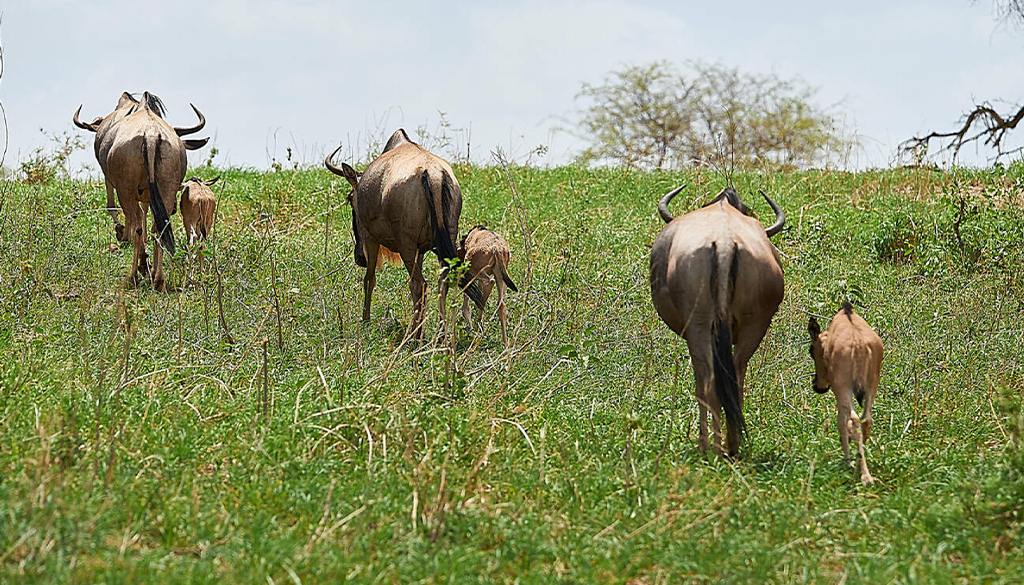
While mid-year attracts the most attention, January to March is often considered the best time for safari in Tanzania by seasoned Africa travelers. During these months, the migration settles on the short-grass plains of the southern Serengeti and the Ndutu region. Within weeks, hundreds of thousands of wildebeest calves are born, filling the savanna with movement, sound, and vulnerability.
This abundance of new life draws predators in extraordinary numbers. Cheetahs sprint across open plains, lions hunt in coordinated prides, and the rhythm of life unfolds in full view. The weather is warm, the skies are clear, and the experience feels intimate and emotionally rich.
The Secret Season: The Beauty of the Green Season (April to May)
For those who prioritize privacy and atmosphere over spectacle, the green season may quietly be the best time for safari of all. April and May bring the long rains, but in East Africa these are often brief, dramatic showers followed by luminous light. The landscape transforms into a glowing emerald, dust settles, and the air becomes astonishingly clear.
This is the season photographers love most. Colors are saturated, skies are dramatic, and wildlife interactions feel unhurried. With fewer travelers in the parks, it is possible to spend hours with a single pride of lions or a lone leopard without another vehicle in sight. The green season offers a rare luxury: silence, space, and reflection.
Best Time for Safari in 2026: At a Glance
January – March: Best for calving season and intense predator action in Tanzania
June – July: Beginning of the dry season, cooler temperatures, excellent general wildlife viewing
August – October: Peak dry season and iconic migration river crossings in Kenya
November – December: Short rains, migratory birds, fresh landscapes, fewer crowds
The Luxury of Choice
Ultimately, the best time for safari is a deeply personal decision. Some travelers are drawn to the thunder of hooves at a river crossing. Others find greater beauty in watching a newborn calf take its first steps in the green grass of February.
In 2026, East Africa offers authenticity year-round. Whether you choose the golden heat of August or the floral calm of April, you are not simply taking a vacation—you are stepping into a rhythm that has existed since the beginning of time. The savanna is calling. The light is just right. All that remains is to decide which chapter of the African story you wish to witness first.
Help Me Plan My Trip!
Get a Quote
We would love to hear about your upcoming trip! Contact us to book a 1:1 consultation with one of our expert safari designers so we can discuss your trip in great detail together and get a quote. Initial consultations will be free of charge.

