
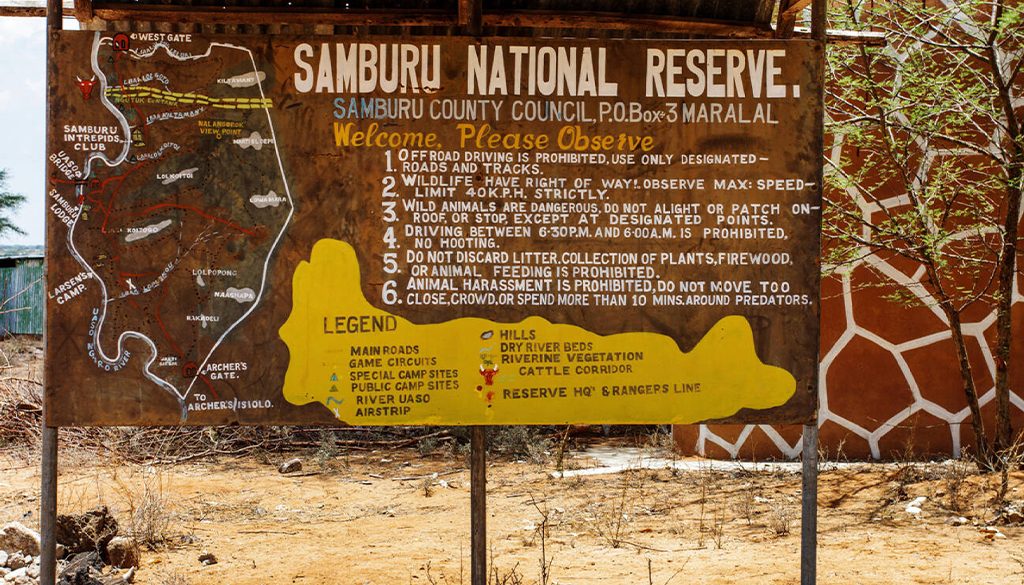
The 3-day Samburu safari is a perfect mini-escape for travelers seeking a wild, authentic, and culturally rich experience in Kenya. Whether you’re a first-time visitor or a repeat safari lover, Samburu offers something different — untamed beauty, warm hospitality, and unique wildlife you won’t find elsewhere.
In just three days, you can witness elephants bathing in the Ewaso Nyiro River, spot rare species, and connect with a fascinating local culture. It’s a short journey with a long-lasting impact — a reminder that true adventure doesn’t always need to take weeks. This guide dives deep into what makes the 3-day Samburu safari an unforgettable experience – from what to expect to how much it costs, and why it’s one of Kenya’s most rewarding short safaris.
Why Choose a 3-Day Samburu Safari?
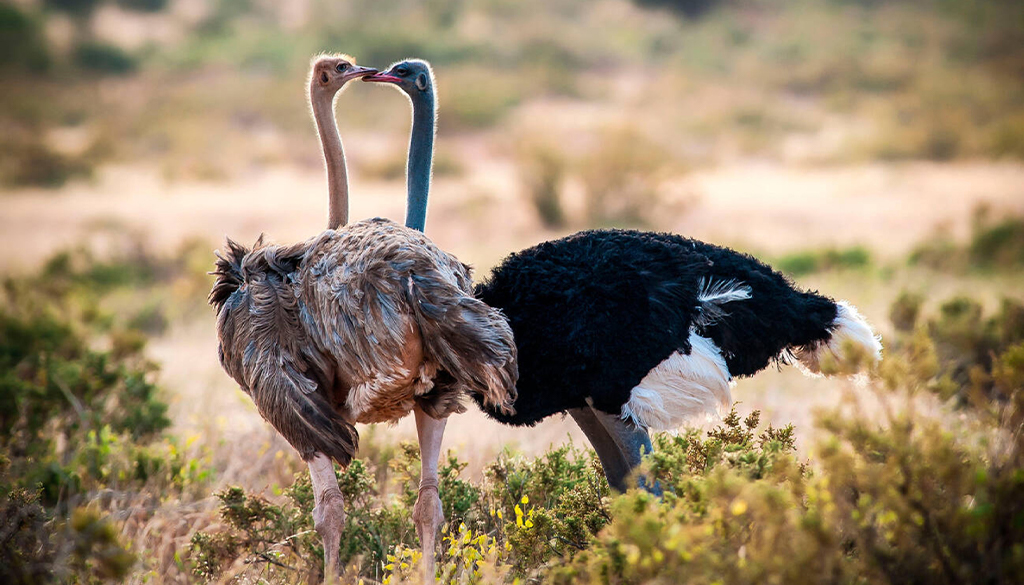
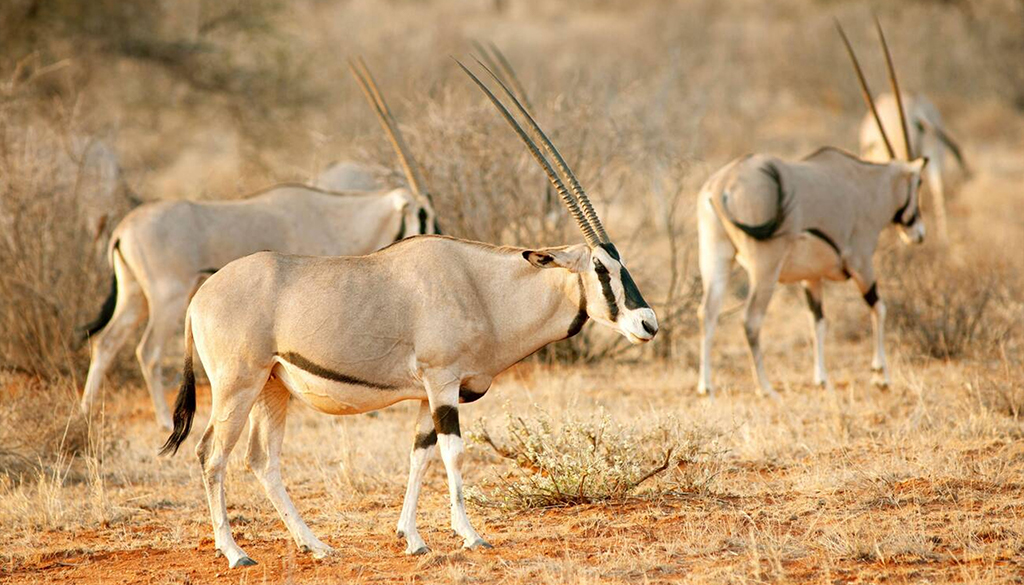
A 3-day Samburu safari is ideal for travelers who want to experience Kenya’s authentic wilderness without spending a full week on the road. The park’s remote charm and the unique wildlife that thrives along the Ewaso Nyiro River make it an exceptional destination. Unlike other safari spots, Samburu is home to the “Samburu Special Five” — species found only north of the equator: the Grevy’s zebra, reticulated giraffe, Beisa oryx, Somali ostrich, and gerenuk.
This short safari also offers a deep cultural experience. You’ll have the chance to meet the Samburu people, a proud semi-nomadic tribe known for their colorful attire and traditions. Combining wildlife, landscapes, and culture, the 3-day Samburu safari is one of the most immersive short adventures in Kenya.
Day-by-Day Itinerary for Your 3-Day Samburu Safari
Day 1: Nairobi – Samburu National Reserve
Your 3-day Samburu safari begins early in the morning with a scenic drive from Nairobi to Samburu National Reserve — about 5 to 6 hours on a well-paved road through the Great Rift Valley. Along the way, you’ll see rolling hills, coffee plantations, and local villages that offer a glimpse of rural Kenyan life.
You’ll arrive in time for lunch at your chosen lodge or camp. After settling in, head out for your first game drive in the afternoon. The reserve is famous for its elephants and predators like lions, leopards, and cheetahs. As the sun sets over the rugged landscape, you’ll return to your lodge for dinner and an overnight stay under a sky filled with stars.
Day 2: Full-Day Game Drive in Samburu
Day two is the heart of your 3-day Samburu safari — a full day of exploration! After breakfast, you’ll head out for a morning game drive when the animals are most active. The Ewaso Nyiro River serves as a vital lifeline in the arid landscape, attracting herds of elephants, buffaloes, and impalas.
Keep your camera ready for rare sightings of the Samburu Special Five and the elusive leopard that often rests in the acacia trees. Bird lovers will also enjoy spotting over 450 bird species, including vultures, eagles, and kingfishers.
Lunch can be served as a picnic within the park or back at your lodge, depending on your preference. In the afternoon, enjoy another game drive or relax by the pool while watching elephants wander nearby. The day concludes with a stunning African sunset, followed by dinner and a peaceful night in the wild.
Day 3: Samburu – Nairobi
On the final morning of your 3-day Samburu safari, wake up to the sounds of chirping birds and a golden sunrise. After breakfast, enjoy a short game drive as you exit the park — a final opportunity to spot animals you might have missed earlier. Then, embark on your return journey to Nairobi, arriving by late afternoon.
Though short, this 3-day adventure leaves travelers with a lifetime of memories, incredible photos, and a deeper appreciation for Kenya’s northern wilderness.
Accommodation Options for a 3-Day Samburu Safari
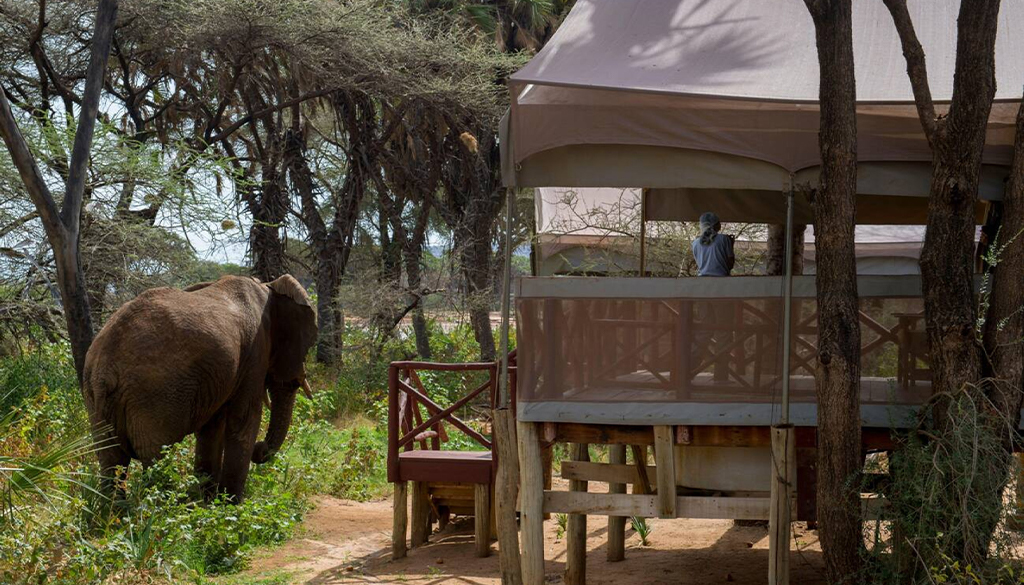
Accommodation choices in Samburu cater to all budgets — from rustic tented camps to luxurious eco-lodges.
-
Budget Options:
Camps like Umoja Women’s Camp or Lion’s Cave Camp offer comfortable tents, shared facilities, and authentic experiences close to nature. -
Mid-Range Options:
Lodges such as Samburu Sopa Lodge and Samburu Simba Lodge provide modern amenities, swimming pools, and private rooms with spectacular views. -
Luxury Options:
For a high-end experience, lodges like Elephant Bedroom Camp and Saruni Samburu offer elegant tents, private verandas, and top-tier service.
Your accommodation choice will significantly influence the 3-day Samburu safari price, which typically ranges from $390 to $900 per person, depending on comfort level, season, and inclusions.
What’s Included in a 3-Day Samburu Safari Package
Most 3-day Samburu safari packages include:
-
Transport in a 4×4 safari vehicle with a pop-up roof
-
Professional driver-guide services
-
Accommodation for 2 nights
-
All meals during the safari (breakfast, lunch, and dinner)
-
Park entrance fees
-
Bottled water during game drives
However, personal items, travel insurance, visas, tips, and alcoholic drinks are usually excluded. Always check with your tour operator to confirm what’s covered in the total cost.
Best Time to Go on a 3-Day Samburu Safari
Samburu National Reserve can be visited year-round, but the dry seasons from June to October and December to March are the best for game viewing. During these months, animals gather near the river, making sightings easier. The green season (April to May and November) is quieter and more affordable, with lush landscapes perfect for photography.
How to Get There?
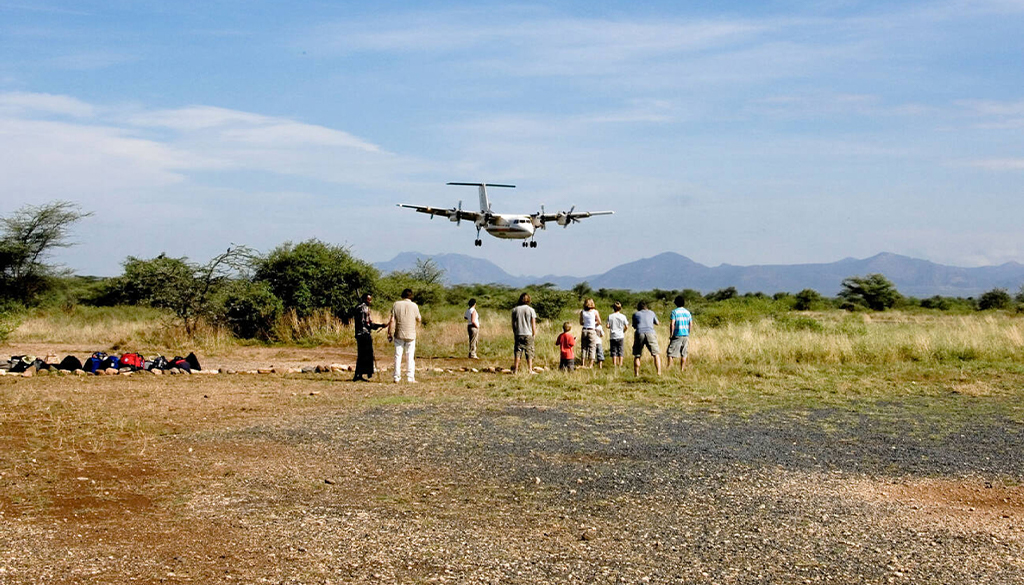
The most common route is by road from Nairobi, which takes about 5–6 hours via Nanyuki and Isiolo. Alternatively, you can fly directly to Samburu airstrip from Wilson Airport in Nairobi — a 1-hour flight that offers stunning aerial views of Mount Kenya and the northern plains.
While flying is faster, it increases the overall the 3-day Samburu safari. Travelers on a tighter budget often prefer the scenic road journey, which is comfortable and allows for a few photo stops along the way.
Tips for a Memorable 3-Day Samburu Safari
-
Pack light but smart – include sunscreen, a hat, sunglasses, a camera, and neutral-colored clothing.
-
Bring binoculars for a closer look at distant wildlife.
-
Stay hydrated – the region can get quite warm during the day.
-
Respect local culture – the Samburu people welcome visitors, but always ask before taking photos.
-
Book early – especially during peak season (July to October) when lodges fill up fast.
Help Me Plan My Trip!
Get a Quote
We would love to hear about your upcoming trip! Contact us to book a 1:1 consultation with one of our expert safari designers so we can discuss your trip in great detail together and get a quote. Initial consultations will be free of charge.

