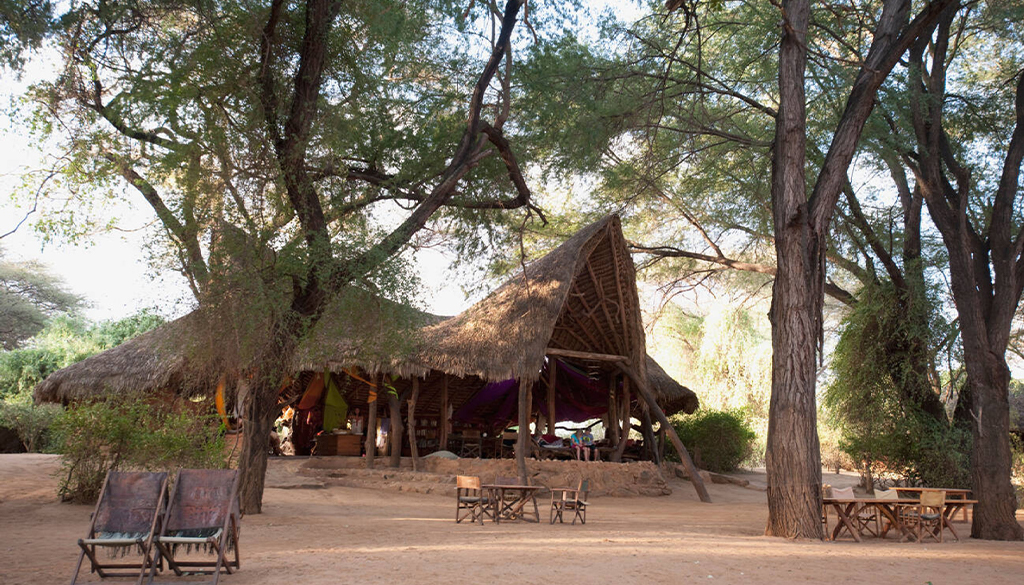
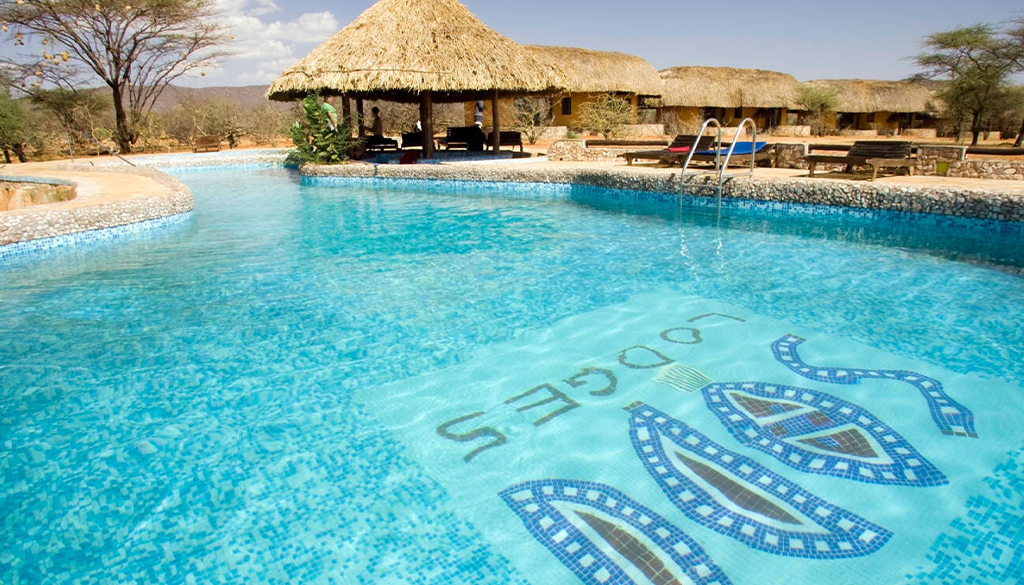
The variety of accommodation in Samburu ensures that every traveler finds their perfect fit, whether you crave luxury, sustainability, or simplicity. From riverside camps teeming with wildlife to hilltop lodges overlooking golden savannas, Samburu National Reserve delivers experiences that linger long after you’ve left. Here are ten handpicked lodges and camps that redefine what it means to stay in the wild.
Elephant’s Bedroom Camp – Riverside Luxury
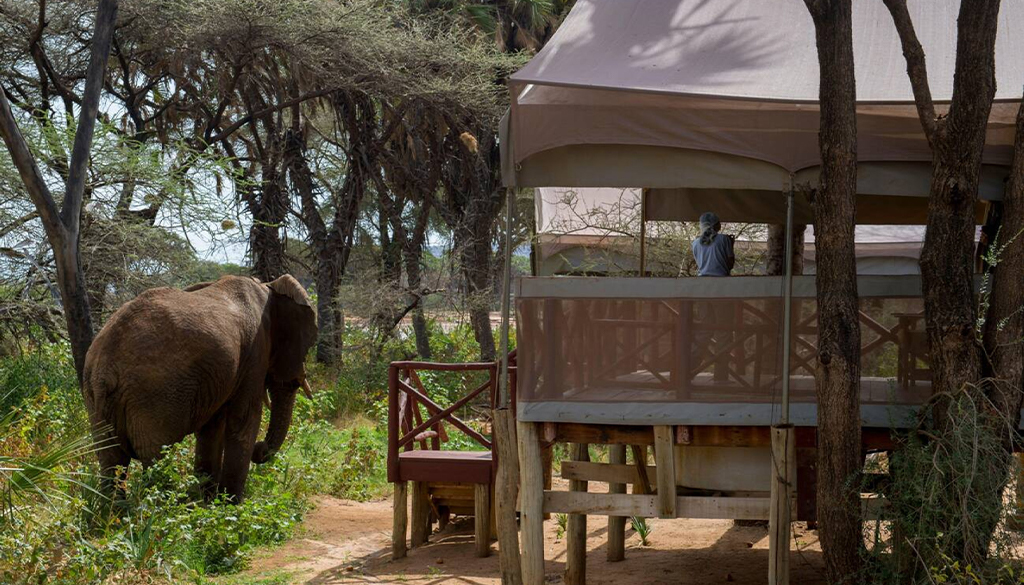
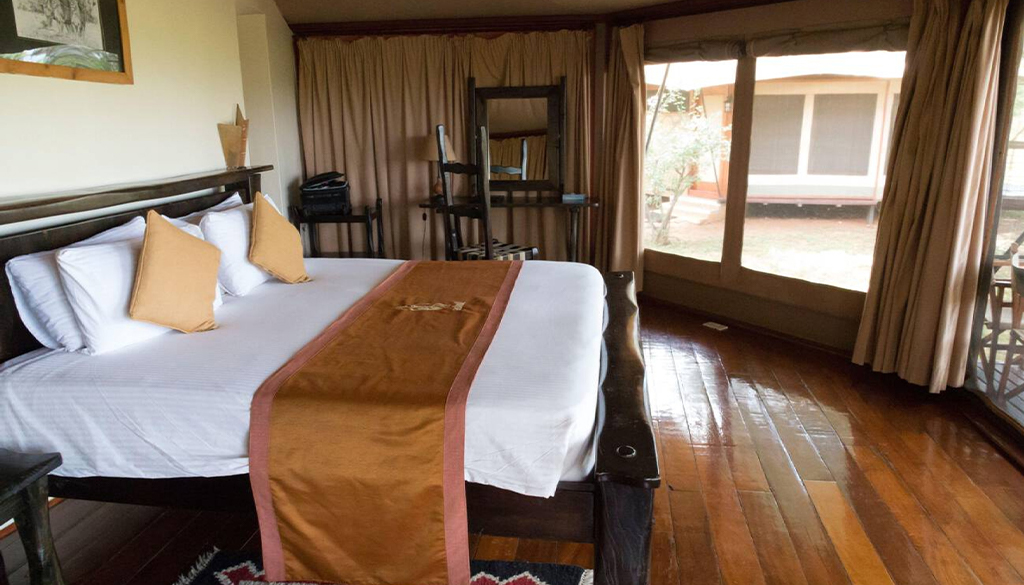
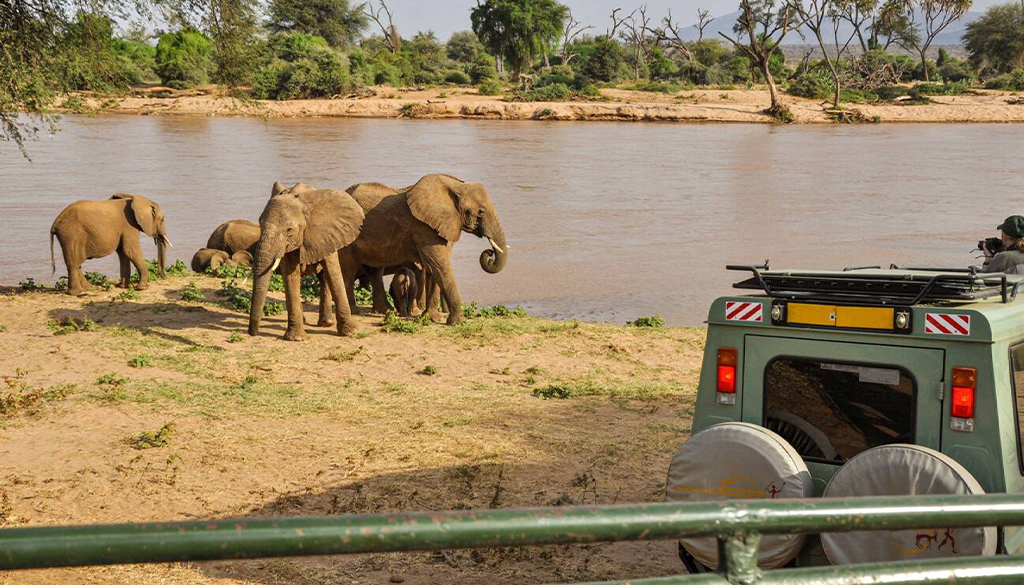
Perched along the banks of the Ewaso Nyiro River, Elephant Bedroom Camp blends intimacy with indulgence. It’s twelve tented suites, each with a private plunge pool, offering uninterrupted views of the river where elephants often wander by. The décor draws from Samburu’s earthy tones — wood, canvas, and soft textiles that harmonize with the landscape. Meals are served al fresco beneath the stars, and the attentive staff ensures every moment feels personal. This is a top choice for travelers seeking authentic accommodation in Samburu that doesn’t compromise on comfort.
Saruni Samburu – Hilltop Haven with Panoramic Views
Saruni Samburu sits high above the Kalama Conservancy, offering spectacular vistas that stretch for miles. Each villa is carved into the rocks, creating a seamless connection between modern design and raw nature. Expect open-air showers, elegant furnishings, and infinity pools that overlook the plains. The lodge’s guides are Samburu warriors who share not only their tracking skills but also stories of their traditions. Saruni Samburu epitomizes stylish, eco-conscious accommodation in Samburu, ideal for luxury travelers and photographers alike.
Sasaab Lodge – Moroccan Elegance in the Bush
With its distinctive Moroccan-inspired architecture, Sasaab Lodge offers a fresh take on safari luxury. The spacious suites feature high ceilings, flowing curtains, and private plunge pools overlooking the Samburu landscape. You can unwind with a spa treatment, enjoy camel rides along the river, or dine under lantern-lit skies. Sasaab’s attention to detail makes it one of the most memorable places to stay in Samburu, combining cultural flair with timeless sophistication.
For those traveling with children, Samburu Intrepids Camp is an excellent choice. Its luxury tents sit on raised decks above the Ewaso Nyiro River, providing front-row views of crocodiles basking on the banks and elephants cooling off in the water. The camp offers a kids’ “Adventurers Club,” guided walks, and cultural visits to local Samburu villages. This balance of comfort and education makes Samburu Intrepids a standout accommodation in Samburu for families seeking a safe yet exciting wilderness experience.
Larsen’s Camp – Timeless Safari Charm
Larsen’s Camp has long been synonymous with old-school safari elegance. With just 20 tented suites, it maintains an atmosphere of exclusivity and peace. The décor combines British colonial influences with African art, creating a refined yet earthy ambiance. Dine beside the river, where hippos grunt in the background and fireflies dance in the dusk. Larsens remains a benchmark for romantic and serene accommodation in Samburu National Reserve.
Ashnil Samburu Camp – Comfort Meets Wilderness
Ashnil Samburu Camp offers a blend of convenience and style, perfect for those who love a touch of luxury in the wild. Its modern tents feature large balconies overlooking the Ewaso Nyiro River. The camp’s open-air dining area, swimming pool, and professional guides ensure a relaxing and enriching stay. For couples or solo travelers looking for accessible yet luxurious accommodation in Samburu, Ashnil delivers both value and beauty.
Elephant Watch Camp – Eco-Luxury with a Cause
Founded by renowned conservationist Saba Douglas-Hamilton, Elephant Watch Camp goes beyond comfort to champion sustainability and elephant conservation. The camp’s organic design uses fallen wood and local materials, blending naturally with the landscape. Guests enjoy delicious, farm-to-table meals and get to learn about elephant behavior and ongoing conservation projects. If you want your accommodation in Samburu to make a difference, this camp perfectly combines luxury with purpose.
Sabache Camp – Budget-Friendly Safari Spirit
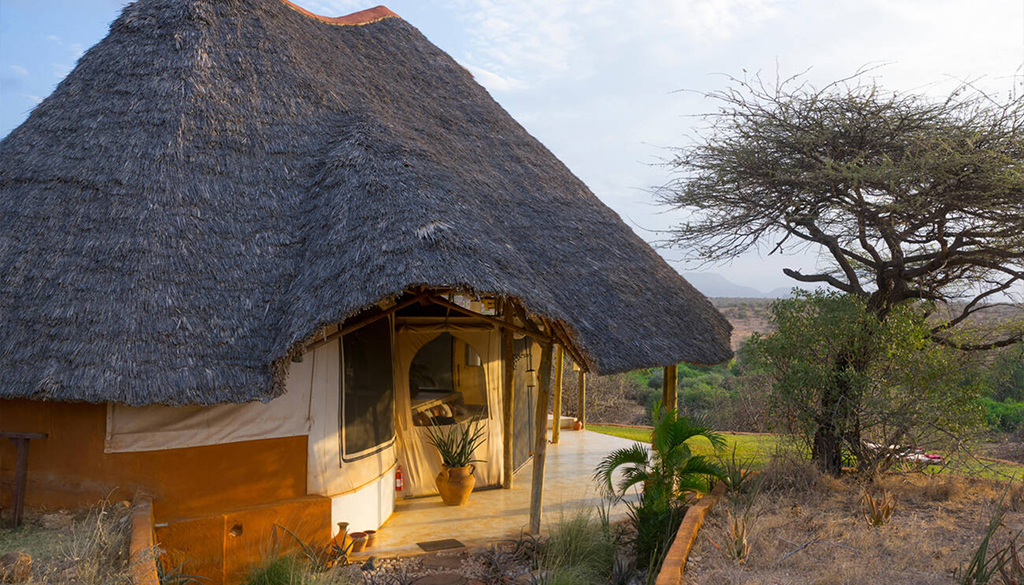
Not all Samburu stays need to be ultra-luxurious. Sabache Camp, located on the slopes of Mount Ololokwe, offers an affordable yet authentic experience. The simple tents and communal dining area give guests a true sense of adventure while supporting local communities. From guided hikes to cultural interactions, this camp proves that meaningful accommodation in Samburu doesn’t have to come with a high price tag.
Kalama Safari Camp – Secluded and Scenic
Hidden within Kalama Conservancy, Kalama Safari Camp provides tranquility and a genuine sense of remoteness. Its tents are spaced out for privacy, offering sweeping views of the Samburu plains. Guests can enjoy night drives, bush breakfasts, and private sundowners overlooking the mountains. The camp is also community-owned, ensuring your stay supports local livelihoods. Kalama Safari Camp stands as an excellent example of ethical and immersive accommodation in Samburu.
Samburu Sopa Lodge – Classic Comfort in the Heart of the Reserve
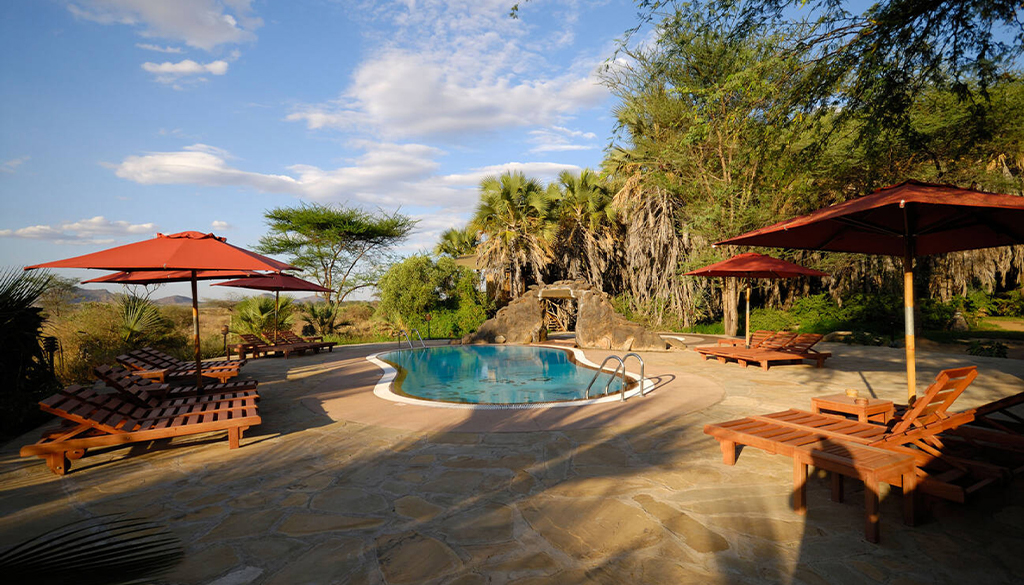
Samburu Sopa Lodge is a trusted name for travelers who appreciate consistency and comfort. With spacious rooms, a large pool, and sweeping views of the park, it’s a great mid-range option for couples, families, and groups. The lodge’s architecture reflects traditional Samburu design, and the warm hospitality keeps guests coming back. For reliable accommodation in Samburu, Samburu Sopa Lodge checks every box.
Why Choose Samburu?
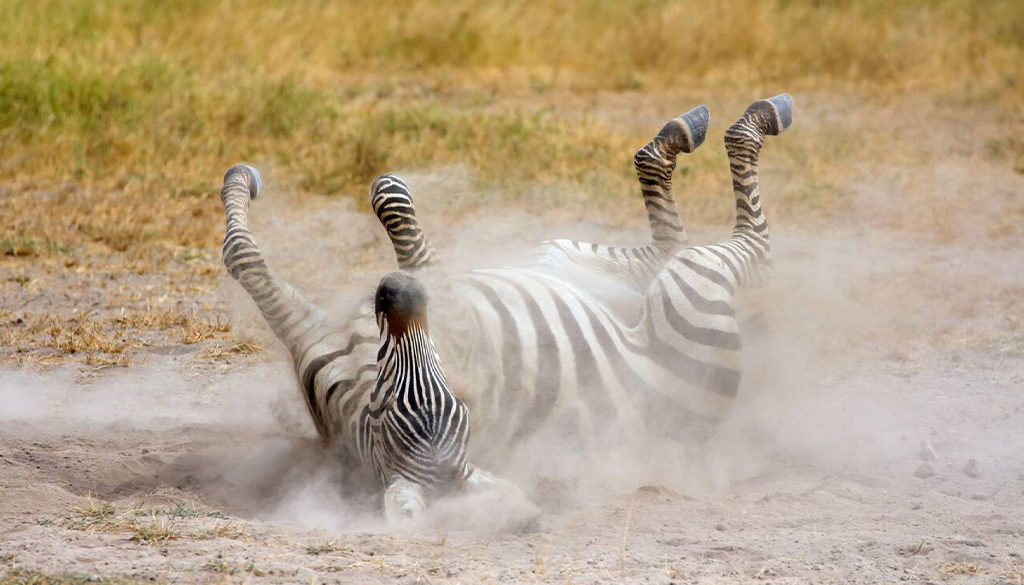
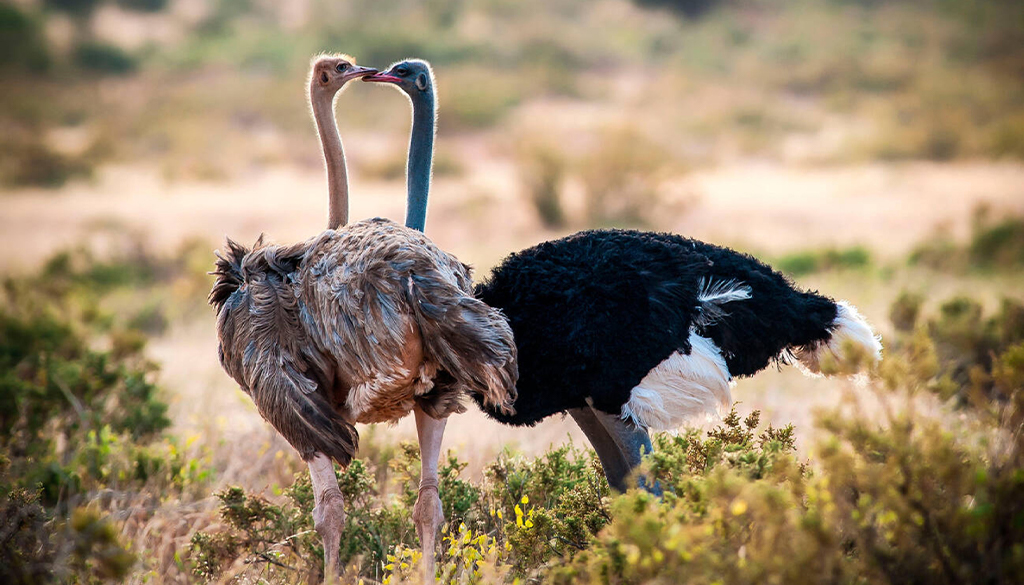
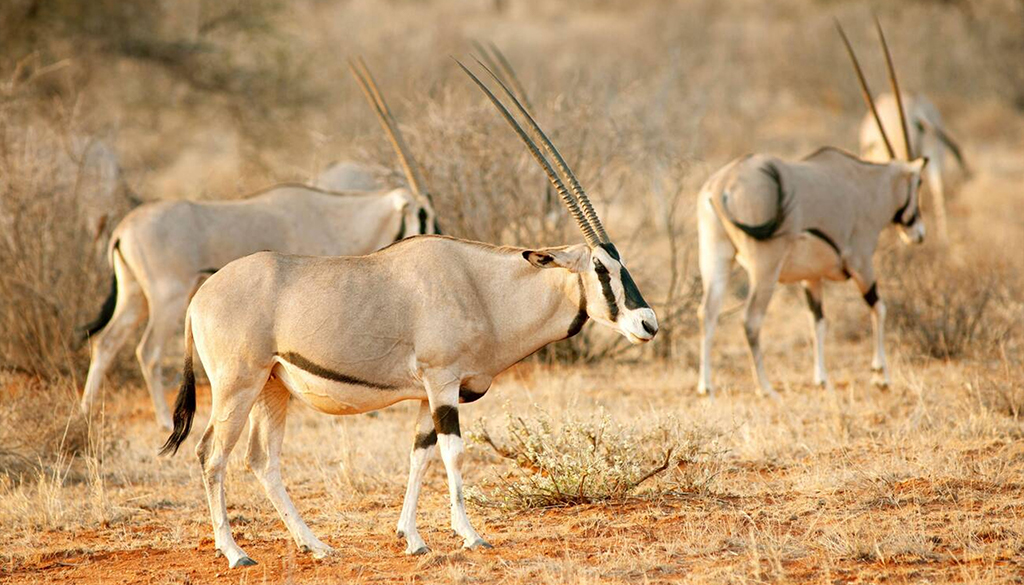
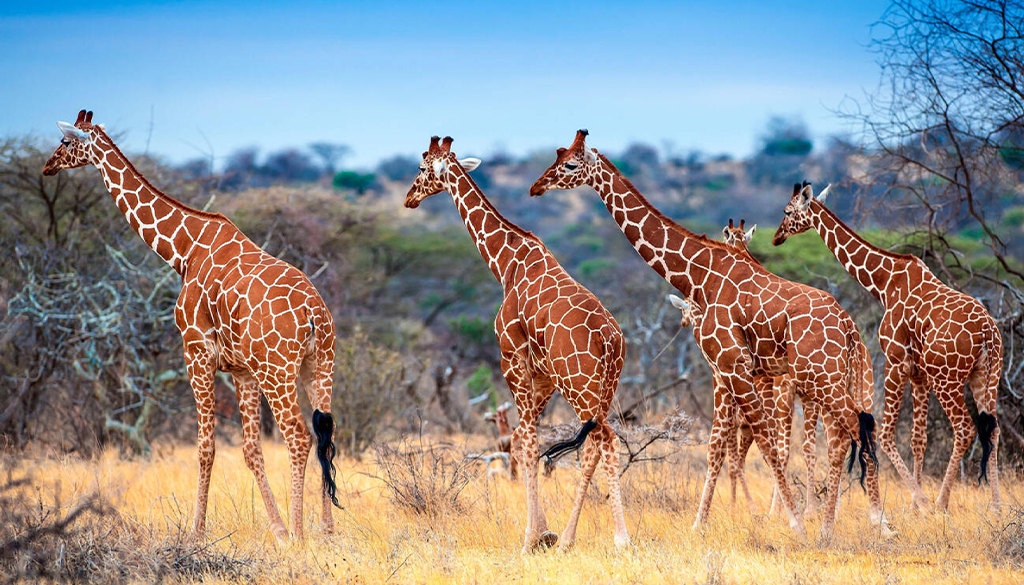
Samburu’s magic lies in its contrasts — arid lands that support incredible wildlife, simplicity that meets sophistication, and remoteness that still feels connected. The reserve is home to the “Samburu Special Five”: the Grevy’s zebra, reticulated giraffe, Somali ostrich, Beisa oryx, and gerenuk. Staying at one of these lodges places you right at the heart of these wonders, where the rhythm of nature sets your pace.
Beyond the wildlife, Samburu offers deep cultural encounters. The local Samburu people, cousins to the Maasai, welcome visitors to learn about their customs, beadwork, and way of life. Every stay here is not just a vacation — it’s a journey into a living, breathing ecosystem.
Help Me Plan My Trip!
Get a Quote
We would love to hear about your upcoming trip! Contact us to book a 1:1 consultation with one of our expert safari designers so we can discuss your trip in great detail together and get a quote. Initial consultations will be free of charge.
The Amboseli safari cost can vary widely depending on your travel style, season, and level of comfort. For a 3-day budget safari in Amboseli, you can find options from around US$200-400 per person (basic lodges, shared transport, and minimal extras). Mid-range safaris in Amboseli cost around US$400-600 per person for similar durations (better lodges, perhaps a private vehicle or more inclusive features). High-end / luxury Amboseli safari costs may be US$1,000- 3,000+ per person, especially for longer stays (5-9days), and the packages offer (top lodges, private vehicle, fly-in transfers, high amenities). Ultimately, the best Amboseli safari cost is one that matches your expectations, schedule, and budget—ensuring that your time in one of Africa’s most photogenic parks is nothing short of spectacular.
What’s Included in an Amboseli Safari Cost?
Before comparing prices, it’s important to understand what the Amboseli safari typically includes. Most safari packages (whether budget or luxury) come as all-inclusive or semi-inclusive. A standard quote generally covers:
Park entry fees
Accommodation (lodge, camp, or tented camp)
Meals (breakfast, lunch, dinner)
Game drives in a 4×4 safari vehicle
Services of a professional driver-guide
Bottled water during game drives
Airport or Nairobi hotel transfers (in some cases)
However, some costs might not be included in the quoted Amboseli safari cost. These may include:
International flights to Kenya
Visa fees
Travel insurance
Tips and gratuities
Drinks and laundry services
Optional experiences (like a Maasai village visit or hot-air balloon ride)
Always confirm with your tour operator exactly what the package covers before you book.
Average Amboseli Safari Cost by Category
Prices for Amboseli safaris vary significantly depending on your level of comfort and travel duration. Here’s a general breakdown of what you can expect to pay in 2025:
Budget Safaris
Price range: From US$350–600 per person for a 2- or 3-day safari
Includes: Budget tented camps or lodges, shared safari vehicle, and basic amenities
Ideal for: Backpackers, solo travelers, and groups seeking a genuine but affordable wildlife experience
Budget safaris to Amboseli often use overland vehicles shared among 6–8 people. Accommodation may be in comfortable but simple tented camps or guesthouses. The Amboseli safari cost is kept low by minimizing luxury features while still delivering a rewarding experience.
Mid-Range Safaris
Price range: Around US$700–1,200 per person for a 3-day safari
Includes: Mid-range lodges with en-suite rooms, full-board meals, and private or semi-private game drives
Ideal for: Couples and families wanting comfort at a reasonable value
This is the most popular category. Mid-range safaris offer a good balance between comfort and cost. You’ll stay at well-rated lodges like AA Lodge Amboseli, Sentrim Amboseli Camp, or Kibo Safari Camp, all located close to the park entrance.
Luxury Safaris
Price range: From US$1,800–3,500 per person for 3–4 days
Includes: Upscale lodges such as Tortilis Camp, Ol Tukai Lodge, or Amboseli Serena Safari Lodge, private game drives, gourmet dining, and sometimes fly-in transfers
Ideal for: Honeymooners and travelers seeking exclusivity and comfort
Luxury safaris often include extras like sundowners, bush breakfasts, and private guides. The Amboseli safari cost is higher here, but the experience feels truly once-in-a-lifetime.
Key Factors Affecting the Amboseli Safari Cost
Several elements determine how much you’ll pay for your safari:
a) Season of Travel
Amboseli has two main seasons that affect pricing:
High season (June–October & December–March): Prices rise due to demand and clear wildlife viewing conditions.
Low season (April–May): Rates drop by up to 25–40%, making it the best time for budget travelers.
If your schedule allows, booking in the shoulder or low season can greatly reduce your Amboseli safari cost.
b) Duration of Safari
Naturally, a 2-day trip costs less than a 5-day one. However, the per-day cost often decreases as you extend your stay, since transport costs are spread over more days.
c) Accommodation Type
Where you stay is one of the biggest cost drivers.
Budget camps: $50–100 per night
Mid-range lodges: $150–250 per night
Luxury lodges: $400–1,000 per night
d) Transport Mode
There are two main options to reach Amboseli:
By road (4–5 hours from Nairobi): Cheaper, about US$60–100 per person return.
By air (40 minutes flight): More comfortable but expensive, costing around US$250–400 round-trip.
Choosing road travel is one of the easiest ways to keep your Amboseli safari cost low.
e) Park Fees
As of 2025, Kenya Wildlife Service (KWS) park fees for Amboseli are:
Non-residents: US$70 per adult/day
East African residents: KES 1,200 per adult/day These are typically included in your safari package but are worth confirming.
f) Group Size
Private safaris for two people cost more per person than shared safaris for six. The larger the group, the more you save on transport and guiding.
Sample Amboseli Safari Cost Breakdown
Here’s a sample of what a 3-day mid-range Amboseli safari might look like:
Item
Estimated Cost (per person)
Park entry fees (2 days)
$140
Accommodation (2 nights mid-range lodge)
$300
Meals & water
Included
Transport (Nairobi–Amboseli return)
$100
Professional guide & vehicle
$120
Miscellaneous (tips, extras)
$60
Total Approximate Cost:
$720 per person
This gives you a realistic idea of the Amboseli safari cost for a comfortable yet affordable experience.
Tips to Save Money on Your Amboseli Safari
You can enjoy Amboseli without overspending. Here are smart ways to reduce your Amboseli safari cost:
Book early: Many lodges offer early-bird discounts or off-season promotions.
Travel in a group: Sharing transport and guides cuts down expenses.
Go by road: Flying is convenient, but driving saves hundreds of dollars.
Avoid unnecessary extras: Skip balloon rides or luxury upgrades if on a budget.
Stay just outside the park: Lodges near Kimana Gate or in Amboseli’s conservancies often charge less but still offer great access.
Combine parks wisely: Multi-park safaris (like Amboseli + Tsavo) sometimes cost less than separate trips.
Is Amboseli Worth the Cost?
Absolutely. Few places in the world offer such breathtaking views of Mount Kilimanjaro, herds of elephants walking through shimmering plains, and the vibrant culture of the Maasai people. While the Amboseli safari cost can vary, every dollar spent contributes to conservation and local communities, making it both a meaningful and memorable investment.
Help Me Plan My Trip!
Get a Quote
We would love to hear about your upcoming trip! Contact us to book a 1:1 consultation with one of our expert safari designers so we can discuss your trip in great detail together and get a quote. Initial consultations will be free of charge.
The 3-day Samburu safari is a perfect mini-escape for travelers seeking a wild, authentic, and culturally rich experience in Kenya. Whether you’re a first-time visitor or a repeat safari lover, Samburu offers something different — untamed beauty, warm hospitality, and unique wildlife you won’t find elsewhere.
In just three days, you can witness elephants bathing in the Ewaso Nyiro River, spot rare species, and connect with a fascinating local culture. It’s a short journey with a long-lasting impact — a reminder that true adventure doesn’t always need to take weeks. This guide dives deep into what makes the 3-day Samburu safari an unforgettable experience – from what to expect to how much it costs, and why it’s one of Kenya’s most rewarding short safaris.
Why Choose a 3-Day Samburu Safari?
A 3-day Samburu safari is ideal for travelers who want to experience Kenya’s authentic wilderness without spending a full week on the road. The park’s remote charm and the unique wildlife that thrives along the Ewaso Nyiro River make it an exceptional destination. Unlike other safari spots, Samburu is home to the “Samburu Special Five” — species found only north of the equator: the Grevy’s zebra, reticulated giraffe, Beisa oryx, Somali ostrich, and gerenuk.
This short safari also offers a deep cultural experience. You’ll have the chance to meet the Samburu people, a proud semi-nomadic tribe known for their colorful attire and traditions. Combining wildlife, landscapes, and culture, the 3-day Samburu safari is one of the most immersive short adventures in Kenya.
Day-by-Day Itinerary for Your 3-Day Samburu Safari
Day 1: Nairobi – Samburu National Reserve
Your 3-day Samburu safari begins early in the morning with a scenic drive from Nairobi to Samburu National Reserve — about 5 to 6 hours on a well-paved road through the Great Rift Valley. Along the way, you’ll see rolling hills, coffee plantations, and local villages that offer a glimpse of rural Kenyan life.
You’ll arrive in time for lunch at your chosen lodge or camp. After settling in, head out for your first game drive in the afternoon. The reserve is famous for its elephants and predators like lions, leopards, and cheetahs. As the sun sets over the rugged landscape, you’ll return to your lodge for dinner and an overnight stay under a sky filled with stars.
Day 2: Full-Day Game Drive in Samburu
Day two is the heart of your 3-day Samburu safari — a full day of exploration! After breakfast, you’ll head out for a morning game drive when the animals are most active. The Ewaso Nyiro River serves as a vital lifeline in the arid landscape, attracting herds of elephants, buffaloes, and impalas.
Keep your camera ready for rare sightings of the Samburu Special Five and the elusive leopard that often rests in the acacia trees. Bird lovers will also enjoy spotting over 450 bird species, including vultures, eagles, and kingfishers.
Lunch can be served as a picnic within the park or back at your lodge, depending on your preference. In the afternoon, enjoy another game drive or relax by the pool while watching elephants wander nearby. The day concludes with a stunning African sunset, followed by dinner and a peaceful night in the wild.
Day 3: Samburu – Nairobi
On the final morning of your 3-day Samburu safari, wake up to the sounds of chirping birds and a golden sunrise. After breakfast, enjoy a short game drive as you exit the park — a final opportunity to spot animals you might have missed earlier. Then, embark on your return journey to Nairobi, arriving by late afternoon.
Though short, this 3-day adventure leaves travelers with a lifetime of memories, incredible photos, and a deeper appreciation for Kenya’s northern wilderness.
Accommodation Options for a 3-Day Samburu Safari
Accommodation choices in Samburu cater to all budgets — from rustic tented camps to luxurious eco-lodges.
Budget Options: Camps like Umoja Women’s Camp or Lion’s Cave Camp offer comfortable tents, shared facilities, and authentic experiences close to nature.
Mid-Range Options: Lodges such as Samburu Sopa Lodge and Samburu Simba Lodge provide modern amenities, swimming pools, and private rooms with spectacular views.
Luxury Options: For a high-end experience, lodges like Elephant Bedroom Camp and Saruni Samburu offer elegant tents, private verandas, and top-tier service.
Your accommodation choice will significantly influence the 3-day Samburu safari price, which typically ranges from $390 to $900 per person, depending on comfort level, season, and inclusions.
What’s Included in a 3-Day Samburu Safari Package
Most 3-day Samburu safari packages include:
Transport in a 4×4 safari vehicle with a pop-up roof
Professional driver-guide services
Accommodation for 2 nights
All meals during the safari (breakfast, lunch, and dinner)
Park entrance fees
Bottled water during game drives
However, personal items, travel insurance, visas, tips, and alcoholic drinks are usually excluded. Always check with your tour operator to confirm what’s covered in the total cost.
Best Time to Go on a 3-Day Samburu Safari
Samburu National Reserve can be visited year-round, but the dry seasons from June to October and December to March are the best for game viewing. During these months, animals gather near the river, making sightings easier. The green season (April to May and November) is quieter and more affordable, with lush landscapes perfect for photography.
How to Get There?
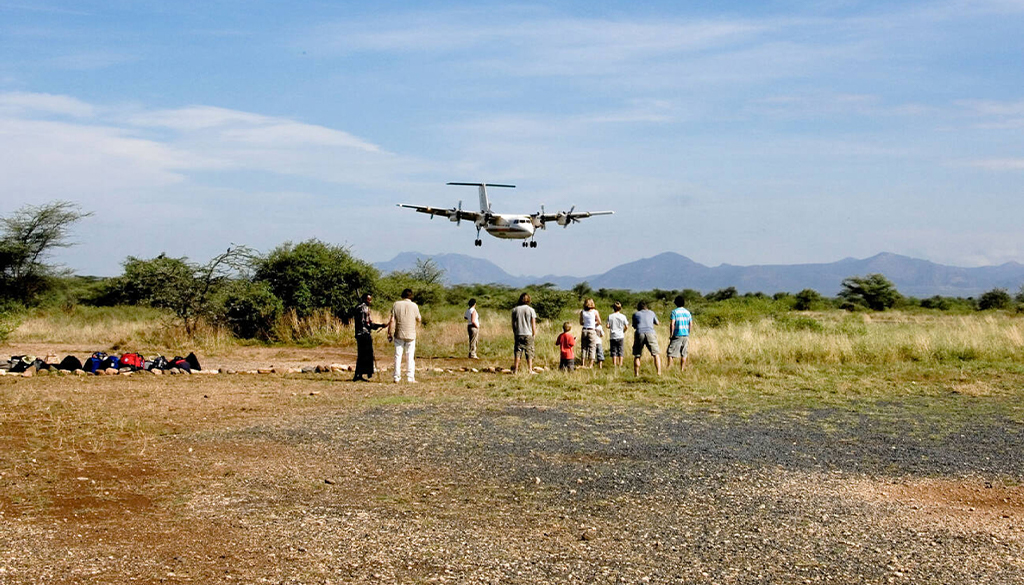
The most common route is by road from Nairobi, which takes about 5–6 hours via Nanyuki and Isiolo. Alternatively, you can fly directly to Samburu airstrip from Wilson Airport in Nairobi — a 1-hour flight that offers stunning aerial views of Mount Kenya and the northern plains.
While flying is faster, it increases the overall the 3-day Samburu safari. Travelers on a tighter budget often prefer the scenic road journey, which is comfortable and allows for a few photo stops along the way.
Tips for a Memorable 3-Day Samburu Safari
Pack light but smart – include sunscreen, a hat, sunglasses, a camera, and neutral-colored clothing.
Bring binoculars for a closer look at distant wildlife.
Stay hydrated – the region can get quite warm during the day.
Respect local culture – the Samburu people welcome visitors, but always ask before taking photos.
Book early – especially during peak season (July to October) when lodges fill up fast.
Help Me Plan My Trip!
Get a Quote
We would love to hear about your upcoming trip! Contact us to book a 1:1 consultation with one of our expert safari designers so we can discuss your trip in great detail together and get a quote. Initial consultations will be free of charge.
A camel trekking safari in Samburu isn’t just about travel; it’s about slowing down, reconnecting with nature, and experiencing the rhythms of the land the way local Samburu tribes have for centuries. The experience offers a rare chance to step off the beaten path and experience Kenya’s wild north in its purest form. Whether you choose a short trek or a multi-day expedition, you’ll carry memories that last a lifetime. In this guide, we’ll explore what camel trekking is, why Samburu is the perfect place for it, what to expect, and how much it costs — so you can plan a truly unforgettable journey.
Why Choose Camel Trekking in Samburu?
Samburu is a land of rugged beauty — red dust, acacia-dotted plains, winding rivers, and towering rocky outcrops. It’s quieter and less crowded than famous parks like the Maasai Mara, making it ideal for travelers seeking a more personal and wild experience.
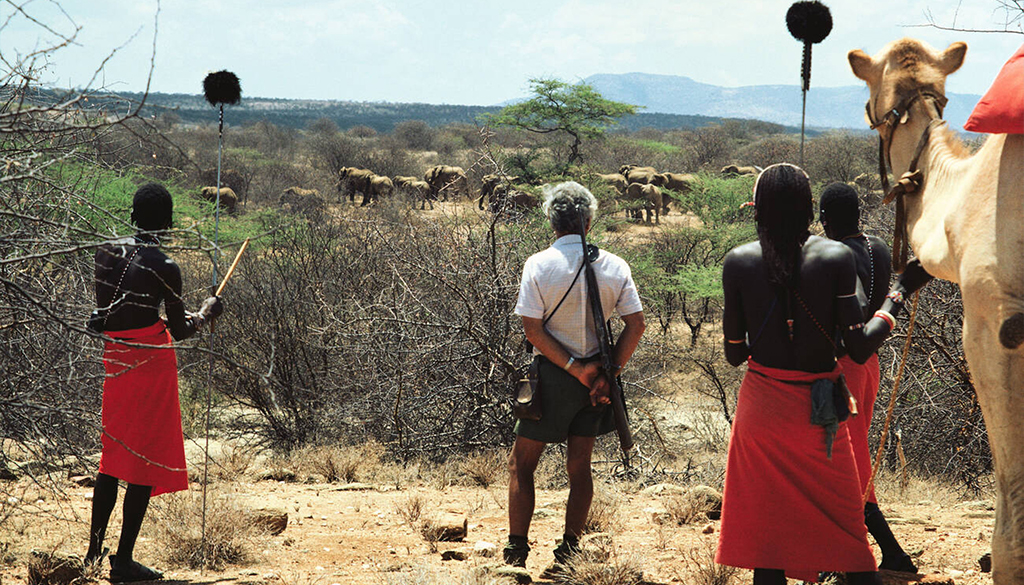
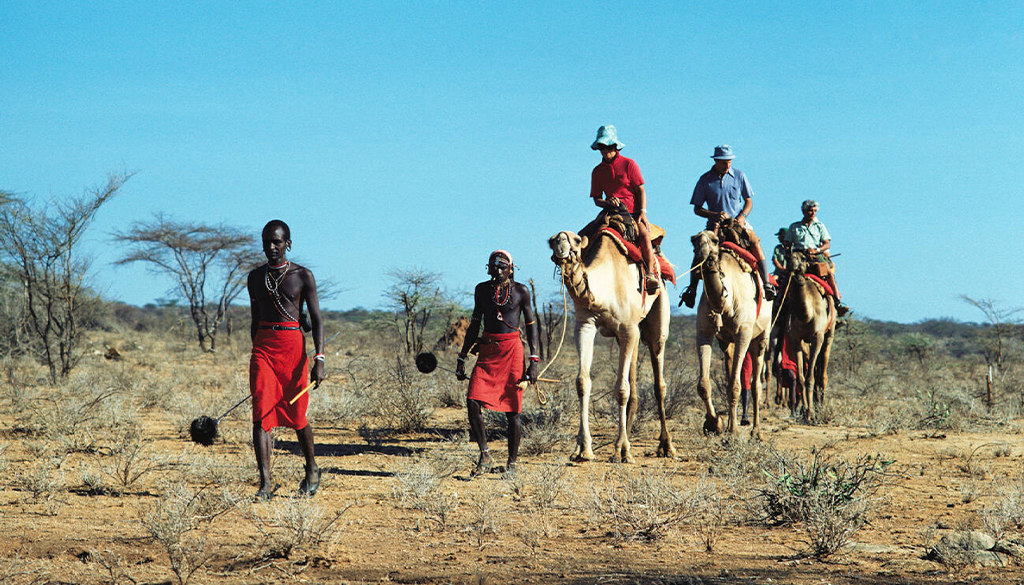
Camel trekking in Samburu lets you immerse yourself in the landscape. Instead of rushing between game drives, you travel at the steady, rhythmic pace of a camel. You can hear the birds, feel the wind, and see wildlife without the hum of an engine. Samburu warriors, who lead most camel treks, share their deep knowledge of the bush, wildlife tracks, and cultural stories along the way.
This type of safari combines adventure, culture, and sustainability, offering a truly transformative travel experience.
What Exactly Is Camel Trekking?
Camel trekking involves traveling across wild terrain on the back of a camel (or walking alongside one), with camels carrying your supplies, tents, and meals. Depending on your fitness level and preference, you can ride or walk most of the journey.
Most camel trekking safaris in Samburu range from half-day experiences to multi-day expeditions that cover several kilometers a day. On longer trips, mobile camps are set up at scenic spots each evening, complete with campfires and traditional meals. It’s both a physical adventure and a deeply meditative experience.
The beauty of camel trekking is that it reconnects you with simplicity. Without vehicles or modern distractions, you’re left with pure wilderness and human connection — a true return to nature.
What You’ll See During Camel Trekking
Samburu is home to rare and iconic wildlife species known as the Samburu Special Five — the Grevy’s zebra, reticulated giraffe, Beisa oryx, Somali ostrich, and gerenuk. You’re also likely to encounter elephants, lions, leopards, and a dazzling array of birdlife.
Unlike traditional safaris, camel trekking allows you to get closer to nature without disturbing animals. You may walk through dry riverbeds, acacia forests, and open plains, sometimes spotting wildlife from surprising proximity.
Equally fascinating are the Samburu people themselves — semi-nomadic pastoralists known for their colorful attire and rich traditions. Many camel treks include visits to local villages, giving you the chance to learn about Samburu culture, beadwork, and traditional ways of life.
How Much Does a Camel Trekking Safari Cost?
The cost of a camel trekking safari in Samburu depends on duration, comfort level, and whether you combine it with a lodge stay or other activities. Here’s a general breakdown:
Half-day or full-day treks: From US$80–200 per person, including guides, camels, and lunch.
2–3-day mobile camping safaris: Around US$400–700 per person, depending on the level of comfort and inclusions.
Luxury multi-day treks: Custom experiences starting at US$1,000+, featuring private guides, chef-prepared meals, and scenic overnight camps.
These prices usually include all meals, tents, camel handlers, and park fees. Always confirm whether transfers from your lodge are included.
If you want to extend your adventure, many tour operators combine camel trekking with traditional 4×4 game drives in Samburu National Reserve or cultural visits to neighboring community conservancies.
Best Time to Go Camel Trekking in Samburu
Samburu is a semi-arid region, so weather plays a big role in your trekking experience. The best times for camel trekking are during the dry seasons —
January to March
June to October.
During these months, the weather is warm, dry, and perfect for long walks and wildlife spotting. The short rainy seasons (April–May and November) can make trails muddy and less accessible, though they also bring stunning green landscapes.
What to Pack for Your Camel Trekking Adventure
Because you’ll be outdoors and moving through rugged terrain, packing smart is essential. Here’s what to bring:
Lightweight, breathable clothing in neutral colors
Comfortable walking shoes or boots
A wide-brimmed hat, sunglasses, and sunscreen
Reusable water bottle
Binoculars and a camera
A light jacket for cool evenings
Insect repellent and basic first aid kit
Operators usually provide camping gear, meals, and water, so your main focus should be comfort and sun protection.
Is Camel Trekking Safe and Suitable for Everyone?
Yes! Camel trekking in Samburu is generally safe and suitable for most age groups. Children, families, and older travelers can all enjoy the experience, as treks move at a gentle pace. You’re always accompanied by trained guides and camel handlers who ensure safety and comfort throughout the journey.
That said, if you have mobility issues or health concerns, it’s best to inform your operator beforehand so they can tailor the route and duration to your needs.
Where to Book Your Camel Trekking Safari
Several reputable safari companies and community conservancies organize camel trekking safaris in Samburu. Many lodges, such as Saruni Samburu, Sasaab Lodge, and Samburu Intrepids, offer guided camel rides directly from their camps.
You can also find independent operators working with local Samburu communities, which ensures your trip supports conservation and local livelihoods. Always choose licensed guides and sustainable operators who prioritize ethical tourism.
Why Camel Trekking in Samburu Is Truly Special
In a world that moves too fast, camel trekking forces you to slow down — to see, hear, and feel the wilderness rather than pass through it. The soft footfall of camels, the warm Samburu sun, the songs of distant birds — every moment feels timeless.
It’s more than a safari; it’s a journey of connection. You connect with the land, the people, and yourself. For travelers seeking something beyond the typical game drive, camel trekking in Samburu is the perfect blend of adventure, culture, and mindfulness.
Help Me Plan My Trip!
Get a Quote
We would love to hear about your upcoming trip! Contact us to book a 1:1 consultation with one of our expert safari designers so we can discuss your trip in great detail together and get a quote. Initial consultations will be free of charge.
The “samburu safari price” can vary significantly depending on style, duration, season, and accommodation level. For a budget 3-day trip, you can find options from around US$390 per person (shared transport, basic tent/campsite). Mid-range experiences often cost from US $580-US $1000+ per person for similar durations, with better lodges, private guides, or more inclusive features. On the luxury end, especially for longer stays (e.g., 5-9 days), including charter flights, high-end lodges, and premium inclusive services, the Samburu safari price can range up to US $10,000+ per person. To give one example: a 5-day “standard safari package” for Samburu & Mt Kenya runs about US $1,000-$1,350 for budget, $1,450-$1,850 mid-range, and $2,200-$3,000 luxury per person (based on two sharing).
So when we speak of the Samburu safari price, you’re really looking at a spectrum — from the modest budget end up into quite lavish territory.
What the Samburu Safari Price Typically Includes
When comparing options, it’s important to know what the Samburu safari price usually covers. Most operators offer packages that include accommodation, meals, game drives, transport in a 4×4 safari vehicle, and park entrance fees.
However, the inclusions can vary depending on the tour company and your package level. A typical mid-range safari package might include:
Two to four nights’ accommodation in a tented camp or lodge
Daily game drives with an experienced guide
Meals (breakfast, lunch, and dinner)
Transport to and from Nairobi
Park fees for Samburu National Reserve
Not included in many packages are items like international flights, travel insurance, visas, tips, and optional experiences such as cultural visits, nature walks, or hot air balloon rides. It’s crucial to confirm these details with your tour operator so you can calculate the real Samburu safari price accurately.
Factors Influencing Samburu Safari Price
Several key factors determine the final Samburu safari price. Understanding these will help you decide what fits your travel goals and budget:
Travel Season: Prices rise in peak season when demand is highest, while off-season safaris (especially in April–May) are often 20–30% cheaper.
Accommodation Type: Lodging makes up a large portion of the safari cost. Basic tented camps cost far less than luxury eco-lodges or fly-in resorts.
Length of Stay: Longer safaris cost more overall, though the per-day rate may drop with more nights booked.
Transport: Driving from Nairobi is more affordable, while fly-in safaris are faster but significantly pricier.
Group Size: The more people sharing the vehicle and lodge, the lower the per-person cost.
Park Fees and Extras: Samburu National Reserve charges a daily park fee (about USD 70 per adult non-resident), which is often included in your package — but always double-check.
These factors together define your overall Samburu safari price, helping you customize the trip to suit both your comfort and your budget.
Sample Samburu Safari Price Packages
Here’s a general idea of how tour operators price different Samburu safari packages:
These examples illustrate how diverse the Samburu safari price spectrum can be. Your choice depends on how much comfort and exclusivity you want.
How to Get the Best Value on Your Samburu Safari
Everyone wants a magical safari without overspending. Here are smart ways to optimize your Samburu safari price:
Travel During Shoulder Seasons: March–May and November offer lower rates and fewer crowds while still offering excellent game viewing.
Book Early: Many lodges offer early-bird discounts of up to 15%.
Share Costs: Traveling with a group of friends or family can significantly reduce your per-person rate.
Drive Instead of Fly: Overland transfers from Nairobi take about six hours and can save hundreds of dollars compared to charter flights.
Ask About Special Offers: Some safari companies provide last-minute or low-season promotions, especially for Kenyan residents.
Know What’s Included: Confirm that park fees, meals, and game drives are part of your package to avoid unexpected add-ons.
Help Me Plan My Trip!
Get a Quote
We would love to hear about your upcoming trip! Contact us to book a 1:1 consultation with one of our expert safari designers so we can discuss your trip in great detail together and get a quote. Initial consultations will be free of charge.
Planning to book an African safari is one of the most exciting travel adventures you can embark on. Africa’s vast savannas, roaming wildlife, and breathtaking sunsets make for a once-in-a-lifetime experience. But timing your booking is crucial — it can mean the difference between an average trip and an unforgettable journey.
If you’ve been wondering how far in advance you should book an African safari, this complete guide will help you decide. We’ll cover ideal booking timelines, reasons to plan early, how seasons affect availability, and expert tips to make the most of your safari adventure.
Why Timing Matters When You Book an African Safari
An African safari isn’t like booking a simple weekend getaway. You’re dealing with limited accommodations, strict park regulations, and seasonal wildlife movements that can make or break your trip. The best safari lodges and guides book out months — sometimes a year — in advance.
When you book an African safari early, you get access to prime locations during peak wildlife seasons. You’ll also have more flexibility with travel dates, a wider choice of camps or lodges, and often better prices before seasonal demand spikes.
Waiting too long could mean missing out on premium camps, top guides, or the exact destination you’ve dreamed about, like the Serengeti during the Great Migration or Botswana’s Okavango Delta during the flood season.
General Rule: How Far in Advance to Book
As a general rule, most travelers should book an African safari8 to 12 months in advance.
Here’s a breakdown by safari style and destination:
Mid-Range or Lodge-Based Safaris: Plan to book 6–9 months in advance, particularly if you’re traveling during peak season (June to October).
Budget or Camping Safaris: You can often secure these 3–6 months ahead, but earlier is still better if you want specific parks or group tours.
If you’re flexible with dates or traveling in the off-season, you can sometimes book closer to departure. However, for popular events such as the Great Migration or gorilla trekking in Rwanda or Uganda, early planning is essential.
How Seasonality Affects Safari Booking
Africa’s seasons play a huge role in determining when to book an African safari. Wildlife movements, weather, and tourist crowds vary drastically across regions.
1. Peak Season (June–October)
This is the dry season across most of East and Southern Africa — the best time for game viewing. Animals gather near waterholes, grass is short, and visibility is excellent. Because of this, demand is high. To secure your dream lodge or camp, book at least 10–12 months in advance.
2. Shoulder Season (April–May & November)
These months offer great value, with fewer tourists and lower rates. Rain may make some roads muddy, but landscapes are lush and beautiful. Booking 6–8 months ahead gives you good choices and flexibility.
3. Green or Low Season (December–March)
This is the rainy season in many regions, but it’s also ideal for birdwatching and newborn animal sightings. Lodges are quieter, and prices drop significantly. If you’re traveling during this period, booking 3–6 months ahead is often enough.
Each region has its own rhythm, so check local patterns before deciding when to book an African safari.
Benefits of Booking Your African Safari Early
1. Guaranteed Availability
Top lodges, particularly those near iconic wildlife spots, can fill up fast. Booking early ensures you get the property and room type you want.
2. Better Pricing and Packages
Some operators offer early bird discounts or flexible payment plans. You’ll lock in current prices before annual rate increases.
3. Customized Experiences
Planning early gives you time to personalize your safari — adding extra nights, balloon rides, or beach extensions in Zanzibar or the Seychelles.
4. Peace of Mind
The logistics of a safari — flights, transfers, park permits — can be complex. Early planning eliminates last-minute stress.
5. Prime Wildlife Events
If you want to see specific wildlife spectacles, like the Great Wildebeest Migration in Tanzania or the baby elephant season in Botswana, you’ll need to book at least a year ahead to secure your place.
What Happens if You Book Late?
If you wait until the last minute to book an African safari, you may still find options — but likely with compromises:
Limited lodge availability or higher prices
Missed access to high-demand parks or migration routes
Difficulty securing domestic flights or gorilla trekking permits
Less time to arrange travel insurance, vaccinations, or visas
However, some tour operators specialize in last-minute safaris and can find you good deals — just don’t expect prime-season luxury lodges to be open.
Expert Tips for Booking an African Safari
Work with a Safari Specialist: Reputable safari planners know local conditions, seasonal changes, and the best-value lodges. Their insider knowledge saves you time and money.
Be Flexible with Dates: If your dates are flexible, you can often find better rates or open spots even a few months ahead.
Consider Multiple Parks: Combining destinations — such as Kenya’s Masai Mara and Tanzania’s Serengeti — increases your chances of finding availability.
Book Flights Early Too: International and regional flights to Africa fill up quickly during peak months. Sync your flights with your safari itinerary early to avoid mismatches.
Review Cancellation Policies: Ensure your booking terms are flexible, especially if travel conditions or weather affect plans.
Don’t Forget Travel Insurance: Safaris involve remote travel. Always get comprehensive insurance that covers cancellations, delays, and medical emergencies.
When to Book Specific Safari Experiences
Safari Experience
Ideal Booking Window
Great Migration (Tanzania/Kenya)
12 months ahead
Gorilla Trekking (Rwanda/Uganda)
9–12 months ahead
Botswana Delta Flood Season
9–12 months ahead
Kruger National Park
6–9 months ahead
Namibia Desert Safari
6 months ahead
Zambia/Zimbabwe Victoria Falls
6–8 months ahead
The Ideal Timeline to Book an African Safari
Here’s a simple timeline to help you visualize your planning process:
12 Months Before: Research destinations, choose your travel month, and contact safari specialists.
9–10 Months Before: Confirm itinerary, book lodges, and secure permits.
6 Months Before: Book flights, vaccinations, and travel insurance.
3 Months Before: Finalize packing, confirm transfers, and review your itinerary.
1 Month Before: Get travel documents ready, check park regulations, and prepare for the adventure.
.
Help Me Plan My Trip!
Get a Quote
We would love to hear about your upcoming trip! Contact us to book a 1:1 consultation with one of our expert safari designers so we can discuss your trip in great detail together and get a quote. Initial consultations will be free of charge.
There are plenty of things to do in Lake Nakuru: from immersive wildlife safaris and birdwatching, to cultural experiences, scenic hikes, lakeside peace, and meaningful encounters. Whether you are a photographer, a naturalist, a traveler seeking calm, or someone curious about Kenya’s landscapes and communities, this area delivers. This guide highlights the top things to do in Lake Nakuru that will help you make the most of your stay.
Discover the Wildlife
One of the primary things to do in Lake Nakuru is to explore its wildlife offerings. The lake and surrounding national park are home to thousands of flamingos, which often form a pink fringe along the shores – a scene many travelers yearn to witness. Apart from flamingos, Lake Nakuru supports a wide diversity of birds: pelicans, cormorants, and fish eagles are commonly seen, especially in the early morning or late afternoon.
While birdwatching is a delight, you’ll also find large mammals. Lions, leopards, rhinos, giraffes, buffaloes, and warthogs roam the park. Rhinos in particular are a highlight, with both black and white rhino populations protected here. A safari drive through the park’s roads offers numerous opportunities to spot these creatures in their natural habitat.
Explore Hiking and Scenic Viewpoints
Another great activity to do in Lake Nakuru involves trekking and enjoying the viewpoints. The Baboon Cliff offers sweeping views over the lake and the park. Climbing up there rewards you with a panorama—vast lake waters, verdant woodlands, and sometimes rainbows arching over the shimmering surface.
For hiking enthusiasts, Mt. Longonot is not far; while technically outside Lake Nakuru National Park, its trails are accessible from nearby towns. The trail around the volcanic crater is moderate to challenging, and the payoff is views across the Rift Valley and of Lake Nakuru’s basin on clear days.
Walking safaris inside the park (where permitted) or guided nature walks allow you to enjoy smaller details, such as insects, plants, and small mammals—things often overlooked on vehicle tours. These slow hikes let you savor natural sounds, senses, and quiet moments away from typical safari speeds.
Enjoy the Lake and Its Shores
The lake itself is central to the things to do in Lake Nakuru. Birding from the shorelines at dawn or dusk yields spectacular photographs. Observing the shifting colors of the water—green, pink, blue—depending on algae, flamingos, and sunlight, is mesmerizing.
Bring binoculars or a camera with zoom; even standing near the water, you’ll glimpse herons, waterfowl, and sometimes hippos near watery edges (though always with caution, as water mammals are unpredictable). Fishing and boating are rarely offered inside the national park’s core areas due to protection rules, but in nearby communities, lakeside, you may access small boats or local fishing trips—these give cultural and scenic value.
Visit Viewpoints and Picnic Spots
Plan to stop at designated picnic sites in Lake Nakuru National Park. The forested picnic areas offer cool shade under giant fig trees or acacia giants. You can pack a lunch, unwind, and maybe enjoy some sketches or journaling while listening to birdsong.
Sunset viewpoints around the lakeshore or on higher ridges are perfect for photographers or anyone who loves quiet reflection. The lake often mirrors the sky at dusk—clouds, trees, and birds reflected in calm water, a scene many find endlessly captivating.
Cultural Encounters and Local Communities
Beyond nature, one of the rewarding things to do in Lake Nakuru is learning about the people who live around the park. Engage with local Maasai or Kikuyu groups (or whichever are prominent in the location you visit). You may join guided tours led by community members, watch traditional crafts being made, or buy handicrafts directly from artisans. This offers insight into daily life, crafts, and beliefs.
Local markets in towns near Nakuru give color—fresh produce, textiles, and local snacks. Sampling seasonal fruits, local dishes, buying locally made jewelry, or baskets add depth to your travel and help support regional livelihoods.
Photography and Birdwatching Tours
Photography lovers will find endless subjects in Lake Nakuru. Whether using a phone, point-and-shoot, DSLR, or drone (where permitted), there are striking photo opportunities: flocks of flamingos, intense skies, and wildlife silhouettes at dawn/dusk. Guided birdwatching tours are especially useful—guides will know where different species are most likely to be seen and can help with identifying calls, plumage.
Bring a good lens, a sturdy tripod, and maybe a warm light jacket for early mornings. Light is softer in early hours and evenings, giving more dramatic scenes. The mid-day light can be harsh, but shadows under trees and along ridges still offer contrast.
Stay in Nature Lodges and Camps
Choosing accommodation that complements your plan is also among the things to do in Lake Nakuru. Nature lodges or camps within or just outside park boundaries allow early entry/exit to maximize wildlife spotting times. Waking up to bird calls, having a terrace that overlooks the lake, or hearing night sounds—these add richness to your trip.
Eco-lodges are especially wonderful: you enjoy minimal footprint, nature-friendly practices, and guides drawn from local communities. Staying in one gives you slower mornings, a relaxed pace, and better alignment with the natural rhythm of the park.
Plan Your Timing and Logistics
To fully experience things to do in Lake Nakuru, timing matters. Dry season tends to offer clearer wildlife visibility, easier walking, and fewer mosquitoes. Early morning drives or walks are cooler, and wildlife is more active. Pack suitable gear: sun hat, sunscreen, insect repellent, sturdy shoes, light layers. Always carry water, snacks, and ensure your camera or phone is charged.
Get guidance on park fees, opening times, and whether areas are accessible after rain. Some roads inside the park can become muddy and slippery. Use local guides—they know which areas are best at which times.
Conservation Awareness and Respect
Part of enjoying Lake Nakuru responsibly is respecting conservation rules. Stay in designated zones, avoid littering, keep a distance from wildlife, and do not feed animals. Understand that flamingos and other species can be highly sensitive to disturbance. Make choices—accommodation, guides, transport—that minimize environmental damage.
By engaging in responsible tourism, you protect the very things that draw visitors: the lake’s ecology, its birds, and its wildlife populations. Your visit becomes part of a sustainable cycle, where nature and people both benefit.
Help Me Plan My Trip!
Get a Quote
We would love to hear about your upcoming trip! Contact us to book a 1:1 consultation with one of our expert safari designers so we can discuss your trip in great detail together and get a quote. Initial consultations will be free of charge.
A safari game drive is about connection – connecting with nature, wildlife, and yourself. Watching a sunrise over the plains, hearing the distant call of a lion, or feeling the quiet power of the African landscape. But one of the most common questions travelers ask before booking a safari is: How long does a game drive last? The answer depends on several factors – location, time of day, season, and the type of safari you choose.
In this guide, we’ll dive deep into everything you need to know about safari game drives, including what to expect, timing, tips for the best experience, and how to make every moment count.
What Exactly Is a Safari Game Drive?
A safari game drive is a guided wildlife viewing experience, typically conducted in a specially designed 4×4 vehicle. You’ll be accompanied by an experienced guide or ranger who helps you spot and understand the animals, birds, and plants around you.
These drives can take place in national parks, private conservancies, or game reserves across Africa, such as Kenya’s Masai Mara, Tanzania’s Serengeti, or South Africa’s Kruger National Park. The goal of a safari game drive is not just to see the “Big Five” (lion, leopard, rhino, elephant, and buffalo) but to appreciate the rhythm and beauty of nature as a whole.
Typical Duration of a Safari Game Drive
So, how long does a game drive last? Most safari game drives typically range from 2 to 4 hours, depending on when and where they occur. However, some lodges and parks offer full-day experiences lasting up to 8 hours or even more.
Here’s a breakdown of common durations:
Morning Game Drive (2–4 hours): Usually starts around 6:00 AM, when wildlife is most active. The cool morning air and golden sunrise make this the best time for photography and spotting predators returning from a night hunt.
Afternoon Game Drive (2–3 hours): Starts around 3:30 or 4:00 PM and goes on until sunset. It’s ideal for seeing animals as they emerge from shade and become active again.
Full-Day Game Drive (6–8 hours): Perfect for travelers who want a complete wilderness experience. You’ll carry packed lunches, stop for scenic breaks, and explore deeper into the park.
Night Game Drive (1.5–3 hours): Conducted after dark, often in private reserves. Spotlights reveal nocturnal animals like hyenas, civets, leopards, and bush babies—a magical side of the wild many never see.
The duration of a safari game drive can also be influenced by park rules, seasonal daylight hours, and your lodge’s schedule.
What Determines the Length of a Game Drive?
Several factors affect how long your safari game drive lasts:
Type of Safari: A luxury lodge might offer longer, customized drives with sundowner stops, while budget safaris may stick to shorter, structured schedules.
Wildlife Movements: Sometimes, a pride of lions or a rare leopard sighting keeps guests out longer than expected. Guides are flexible and adjust based on sightings.
Weather Conditions: Heavy rains can make some roads impassable, shortening a drive. During dry seasons, however, drives can extend because animals gather around waterholes.
Park Regulations: National parks often restrict driving hours to daylight for safety and conservation reasons. Private conservancies, however, can allow night drives or off-road tracking.
Why Timing Matters on a Safari Game Drive
The time of day you choose for your safari game drive can completely change your experience.
Morning Drives: Offer crisp air, soft light, and active predators. Ideal for photographers.
Midday Drives: Quieter, but perfect for watching elephants and hippos cooling off near water.
Evening Drives: Great for spotting nocturnal animals and enjoying sunset over the savannah.
Night Drives: Thrilling and rare—perfect for adventurers who want to see a different side of the wild.
To get the most out of your safari, it’s best to combine different types of drives across multiple days.
What to Expect During a Game Drive?
Your safari game drive usually starts early. You’ll gather for tea or coffee before heading out in an open-sided or pop-up-roof vehicle. The guide introduces safety tips and then leads you into the wild.
Expect moments of quiet anticipation followed by bursts of excitement when you spot wildlife. Some animals may appear close to your vehicle, while others are observed from afar through binoculars. Your guide shares fascinating details about animal behavior, tracks, and local ecosystems.
Midway through the drive, there’s often a break for refreshments—maybe coffee in the morning or a cold drink at sunset. These stops add a peaceful rhythm to your adventure.
Tips to Make the Most of Your Safari Game Drive
Dress Comfortably: Wear light, neutral-colored clothes, a hat, and sunscreen.
Bring Essentials: Binoculars, camera, insect repellent, and a reusable water bottle.
Be Patient: Wildlife sightings aren’t guaranteed. The thrill is in the unpredictability.
Stay Quiet: Noise can scare animals away. Whisper and enjoy the silence of nature.
Respect the Rules: Don’t feed or disturb wildlife, and always stay inside the vehicle.
A safari game drive isn’t just about ticking animals off a list—it’s about immersing yourself in the environment, slowing down, and appreciating the natural balance of life.
How Many Game Drives Should You Take?
For most safaris, two game drives per day—one in the morning and one in the evening—offer the perfect balance. A 3- to 4-day safari allows you to experience various species and behaviors without feeling rushed.
However, serious wildlife enthusiasts often stay longer to explore multiple ecosystems or photograph elusive species. Every day brings new surprises, so more drives mean more opportunities for memorable encounters.
The True Magic of a Safari Game Drive
No matter how long your game drive lasts, every moment spent in the wild is precious. Whether you’re on your first safari or your tenth, you’ll always find something new – because nature never repeats itself the same way twice.
Help Me Plan My Trip!
Get a Quote
We would love to hear about your upcoming trip! Contact us to book a 1:1 consultation with one of our expert safari designers so we can discuss your trip in great detail together and get a quote. Initial consultations will be free of charge.
The best time to plan an African safari depends largely on where and when you want to go. Many first-time travelers wonder: How far in advance should I plan an African safari? The short answer – the earlier, the better. But there’s more to it than just booking flights and lodges. Planning ensures not only a seamless trip but also the chance to see nature’s greatest spectacles in comfort and safety. This comprehensive guide will help you plan an African safari like a seasoned adventurer.
When to Start Planning Your Safari
The best time to plan an African safari depends largely on where and when you want to go. Generally, starting your preparations 8 to 12 months in advance is ideal. This timeframe gives you access to the best lodges, guides, and travel deals — especially in popular destinations like Kenya, Tanzania, South Africa, and Botswana.
Why Book Early Matters
Top safari lodges and camps, especially those near migration routes or within private conservancies, book out quickly — sometimes a full year ahead. If you’re eyeing the Great Migration in the Serengeti or the Okavango Delta during peak season, early planning is crucial.
Early bookings also allow for better flight deals and smoother logistics, especially for multi-country safaris that involve regional flights or border crossings. It’s not just about saving money — it’s about securing the best possible experience.
Choosing the Perfect Destination
Africa’s vastness is part of its magic. When you plan an African safari, you’ll find that each country offers a distinct flavor of adventure:
Kenya and Tanzania: The classic safari duo — home to the Serengeti, Maasai Mara, and the Great Migration. Ideal for first-timers seeking the quintessential savanna experience.
Botswana: A paradise for exclusivity. The Okavango Delta’s waterways and Chobe National Park’s elephants promise a remote, luxurious feel.
South Africa: Great for those who want to combine safari with city life or the Cape Winelands. The Kruger National Park and nearby private reserves offer year-round game viewing.
Namibia: A land of striking contrasts — desert landscapes, wildlife-filled dunes, and a sense of solitude unmatched anywhere else.
Uganda and Rwanda: The ultimate destinations for gorilla trekking, offering a deeper connection with Africa’s lush rainforests.
Understanding what kind of experience you want — adventure, photography, relaxation, or cultural immersion — will shape how you plan an African safari effectively.
Timing Your Trip: Seasons and Wildlife
Timing is everything when it comes to safaris. Each region has its own peak season based on rainfall, animal movements, and climate patterns.
June to October (Dry Season): The most popular time for safaris. Animals gather near water sources, making sightings easier. Ideal for Kenya, Tanzania, and southern Africa.
November to March (Green Season): Lush landscapes and fewer crowds. It’s calving season in the Serengeti, offering incredible predator action and discounted rates.
April to May: The wettest months in many regions — but perfect for travelers seeking solitude, lower prices, and dramatic skies for photography.
When you plan an African safari, consider your priorities: do you want to witness the migration, enjoy solitude, or photograph dramatic landscapes? Aligning your goals with seasonal changes is the key to success.
Budgeting Smartly for Your Safari
Safaris range from budget-friendly camping trips to ultra-luxurious lodge stays. The average cost per person per day can vary from $300 to over $1,000, depending on accommodation, transport, and park fees.
Here’s how to budget wisely as you plan an African safari:
Set your priorities: Decide whether luxury, location, or duration matters most.
Include hidden costs: Visa fees, park permits, tips, and internal flights add up quickly.
Go off-season: Traveling in shoulder months (April, May, November) can save you 20–40% without compromising the experience.
Use a reputable operator: A good tour company helps balance cost and quality, ensuring you get value for every dollar spent.
Remember, the cheapest option isn’t always the best — especially when it comes to safety, guiding quality, and sustainability.
Booking Accommodations and Safari Styles
When you plan an African safari, choosing the right style of accommodation makes a world of difference:
Luxury Lodges: Perfect for comfort seekers. Think open-air suites, infinity pools, and gourmet dining in the wilderness.
Tented Camps: Offer an authentic feel of being close to nature, often with excellent service and stunning locations.
Mobile Safaris: Ideal for adventurous travelers — these follow wildlife movements, giving you a front-row seat to nature’s drama.
Self-Drive Safaris: Popular in South Africa and Namibia for independent travelers with 4×4 experience.
Where you stay shapes how you experience the wild. Choose accommodations that align with your sense of adventure and budget — and always check that they follow eco-friendly and conservation-minded practices.
Permits, Vaccinations, and Travel Documents
It’s easy to overlook logistics when dreaming of the savanna, but paperwork is crucial. As you plan an African safari, make sure you:
Have a passport valid for at least six months beyond your travel dates.
Apply for necessary visas (requirements vary by country).
Get vaccinations such as yellow fever, typhoid, and hepatitis A.
Take anti-malarial medication if required.
Carry travel insurance that covers medical evacuation — essential in remote safari regions.
Consult your doctor and travel advisor early to avoid last-minute surprises.
Packing Essentials for a Seamless Adventure
Packing light is key. Neutral-colored clothing helps you blend into the environment and keeps you cool. Include:
Breathable shirts and trousers
A wide-brimmed hat and sunglasses
Binoculars and a good camera
Insect repellent and sunscreen
Lightweight layers for cool mornings and evenings
When you plan an African safari, remember that comfort equals enjoyment. Leave flashy clothes and heavy suitcases behind — simplicity works best in the bush.
Responsible Tourism: Giving Back to the Wild
Every traveler plays a part in protecting Africa’s natural heritage. Choose eco-certified operators, respect wildlife distances, and avoid single-use plastics.
Supporting community-run conservancies helps local people benefit directly from tourism, ensuring that wildlife conservation remains sustainable. Planning responsibly ensures that future generations will also have the chance to plan an African safari and witness its wonders firsthand.
Help Me Plan My Trip!
Get a Quote
We would love to hear about your upcoming trip! Contact us to book a 1:1 consultation with one of our expert safari designers so we can discuss your trip in great detail together and get a quote. Initial consultations will be free of charge.
A Balloon Safari is more than just a scenic ride — it’s a poetic journey through Africa’s wild heart. Few travel experiences compare to a Balloon Safari, and nowhere captures its magic better than the legendary Masai Mara in Kenya and the vast Serengeti in Tanzania.
Both the Masai Mara and the Serengeti offer this ethereal experience, yet each tells a slightly different story — shaped by landscape, wildlife, and rhythm. But if you’re wondering which destination offers the ultimate Balloon Safari, this guide explores the differences, highlights, and what makes each location uniquely captivating.
Balloon Safari in the Masai Mara: Intimate and Iconic
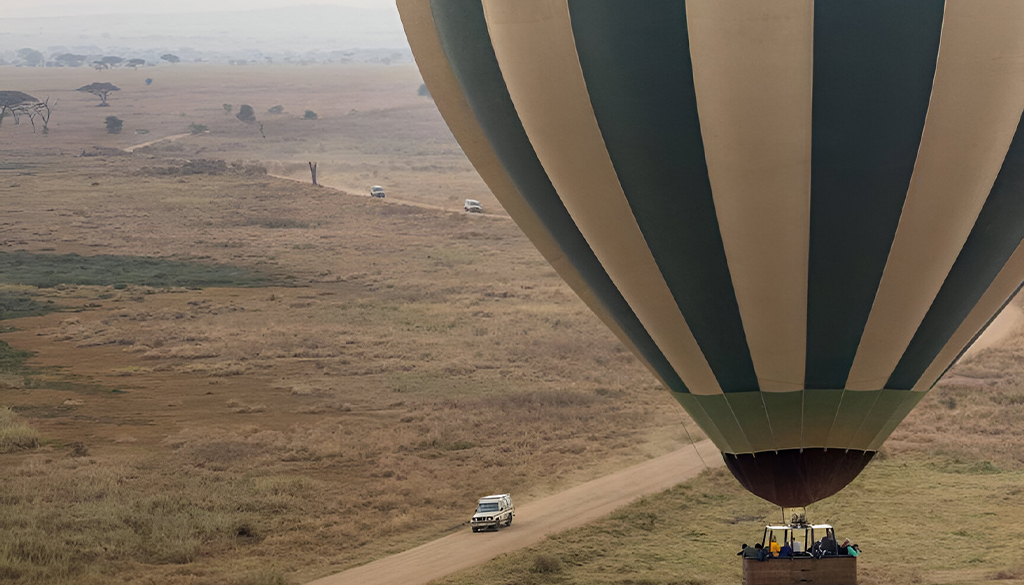
The Masai Mara Balloon Safari is an experience steeped in intimacy and drama. The Mara’s rolling grasslands, dotted with acacia trees, provide perfect take-off conditions and stunning panoramic views. From above, you can trace the winding Mara River — lifeline to countless animals — as it snakes through the plains.
One of the highlights of a Balloon Safari in the Masai Mara is witnessing the Great Migration (from July to October). Watching thousands of wildebeest and zebra move like a living river across the plains from the air is nothing short of spectacular. You might even spot a lion stalking its prey or crocodiles lurking near riverbanks — all from a serene aerial perspective.
The Mara’s relatively compact size makes it easier to spot wildlife from the air. It’s not uncommon to see multiple species within minutes — elephants grazing, hippos wallowing, and balloons floating gracefully in the distance. The experience usually ends with a champagne breakfast set in the wild — a tradition dating back to early safari explorers.
Pros of the Masai Mara Balloon Safari:
Compact area = higher chance of wildlife sightings.
Ideal for first-time safari travelers.
Easier accessibility (close to Nairobi).
Perfect for photography and dramatic landscapes.
Cons:
Can get crowded during migration season.
Airspace restrictions limit flight paths in some zones.
Balloon Safari in the Serengeti: Vast, Wild, and Majestic
The Serengeti Balloon Safari offers an entirely different kind of grandeur. While the Masai Mara is intimate, the Serengeti is infinite — its name literally means “endless plains.” Covering nearly 15,000 square kilometers, it’s one of the largest wildlife ecosystems on Earth.
From the balloon’s basket, you’ll see a horizon that never seems to end — dotted with herds of wildebeest, zebras, and gazelles. During migration months, the sight of millions of animals moving in synchronized rhythm below you feels like witnessing one of nature’s greatest masterpieces.
What sets the Serengeti apart is its diversity of landscapes. Depending on where you launch, you may float over the Central Seronera’s open plains, the Western Corridor’s river valleys, or the Southern Serengeti’s lush calving grounds. Each region offers a unique Balloon Safari experience.
The Serengeti’s sheer scale also means fewer balloons in the sky, allowing for a quieter, more exclusive atmosphere. While flights are longer and more expensive than in the Mara, the sense of isolation and wilderness is unparalleled.
Pros of the Serengeti Balloon Safari:
Vast, untouched wilderness and minimal crowding.
Multiple launch sites offering varied scenery.
Strong sense of remoteness and adventure.
Cons:
More travel time (usually via Arusha or bush flights).
Weather conditions can affect flight schedules.
Comparing the Experience: Mara vs. Serengeti
When comparing a Balloon Safari in the Masai Mara versus the Serengeti, it comes down to what kind of experience you value most.
Feature
Masai Mara
Serengeti
Atmosphere
Intimate, accessible
Expansive, remote
Wildlife Density
High, easy to spot
Spread out, more natural behavior
Best Time
July–October (Migration)
December–July (Migration phases)
Cost Range
Slightly lower
Slightly higher
Ideal For
First-timers, photographers
Seasoned travelers, adventurers
In essence, the Masai Mara Balloon Safari is about intensity — everything is closer, more immediate. The Serengeti Balloon Safari, meanwhile, is about scale — an unbroken wilderness that stretches to the horizon.
What to Expect on Your Balloon Safari
Both experiences follow a similar rhythm. Your day begins before sunrise with a gentle drive to the launch site. As the crew inflates the balloon, the burners’ glow lights up the dawn — a beautiful sight in itself. Once airborne, you’ll float silently for about an hour, with the pilot occasionally lowering the balloon for closer views of wildlife.
After landing, a traditional bush breakfast awaits, often complete with champagne and fresh fruit. The combination of wilderness luxury and natural simplicity is what makes a Balloon Safari so memorable.
Most operators provide safety briefings, insurance, and certified pilots, ensuring a secure and comfortable flight. The adventure suits almost all ages, though it’s best avoided by those with severe mobility issues or fear of heights.
Sustainability and Conservation Impact
It’s important to note that a Balloon Safari is among the least intrusive ways to view wildlife. Unlike vehicle safaris, balloons don’t disturb animals or damage vegetation. Many companies also contribute part of their revenue to conservation initiatives and local community projects — helping preserve these extraordinary ecosystems.
By choosing eco-certified operators, travelers can ensure that their adventure supports both the environment and the people who call these lands home.
Help Me Plan My Trip!
Get a Quote
We would love to hear about your upcoming trip! Contact us to book a 1:1 consultation with one of our expert safari designers so we can discuss your trip in great detail together and get a quote. Initial consultations will be free of charge.
We use cookies to ensure that we give you the best experience on our website. If you continue to use this site we will assume that you are happy with it.