The best time to plan an African safari depends largely on where and when you want to go. Many first-time travelers wonder: How far in advance should I plan an African safari? The short answer – the earlier, the better. But there’s more to it than just booking flights and lodges. Planning ensures not only a seamless trip but also the chance to see nature’s greatest spectacles in comfort and safety. This comprehensive guide will help you plan an African safari like a seasoned adventurer.
When to Start Planning Your Safari
The best time to plan an African safari depends largely on where and when you want to go. Generally, starting your preparations 8 to 12 months in advance is ideal. This timeframe gives you access to the best lodges, guides, and travel deals — especially in popular destinations like Kenya, Tanzania, South Africa, and Botswana.
Why Book Early Matters
Top safari lodges and camps, especially those near migration routes or within private conservancies, book out quickly — sometimes a full year ahead. If you’re eyeing the Great Migration in the Serengeti or the Okavango Delta during peak season, early planning is crucial.
Early bookings also allow for better flight deals and smoother logistics, especially for multi-country safaris that involve regional flights or border crossings. It’s not just about saving money — it’s about securing the best possible experience.

Choosing the Perfect Destination
Africa’s vastness is part of its magic. When you plan an African safari, you’ll find that each country offers a distinct flavor of adventure:
-
Kenya and Tanzania: The classic safari duo — home to the Serengeti, Maasai Mara, and the Great Migration. Ideal for first-timers seeking the quintessential savanna experience.
-
Botswana: A paradise for exclusivity. The Okavango Delta’s waterways and Chobe National Park’s elephants promise a remote, luxurious feel.
-
South Africa: Great for those who want to combine safari with city life or the Cape Winelands. The Kruger National Park and nearby private reserves offer year-round game viewing.
-
Namibia: A land of striking contrasts — desert landscapes, wildlife-filled dunes, and a sense of solitude unmatched anywhere else.
-
Uganda and Rwanda: The ultimate destinations for gorilla trekking, offering a deeper connection with Africa’s lush rainforests.
Understanding what kind of experience you want — adventure, photography, relaxation, or cultural immersion — will shape how you plan an African safari effectively.
Timing Your Trip: Seasons and Wildlife
Timing is everything when it comes to safaris. Each region has its own peak season based on rainfall, animal movements, and climate patterns.
-
June to October (Dry Season): The most popular time for safaris. Animals gather near water sources, making sightings easier. Ideal for Kenya, Tanzania, and southern Africa.
-
November to March (Green Season): Lush landscapes and fewer crowds. It’s calving season in the Serengeti, offering incredible predator action and discounted rates.
-
April to May: The wettest months in many regions — but perfect for travelers seeking solitude, lower prices, and dramatic skies for photography.
When you plan an African safari, consider your priorities: do you want to witness the migration, enjoy solitude, or photograph dramatic landscapes? Aligning your goals with seasonal changes is the key to success.
Budgeting Smartly for Your Safari
Safaris range from budget-friendly camping trips to ultra-luxurious lodge stays. The average cost per person per day can vary from $300 to over $1,000, depending on accommodation, transport, and park fees.
Here’s how to budget wisely as you plan an African safari:
-
Set your priorities: Decide whether luxury, location, or duration matters most.
-
Include hidden costs: Visa fees, park permits, tips, and internal flights add up quickly.
-
Go off-season: Traveling in shoulder months (April, May, November) can save you 20–40% without compromising the experience.
-
Use a reputable operator: A good tour company helps balance cost and quality, ensuring you get value for every dollar spent.
Remember, the cheapest option isn’t always the best — especially when it comes to safety, guiding quality, and sustainability.
Booking Accommodations and Safari Styles
When you plan an African safari, choosing the right style of accommodation makes a world of difference:
-
Luxury Lodges: Perfect for comfort seekers. Think open-air suites, infinity pools, and gourmet dining in the wilderness.
-
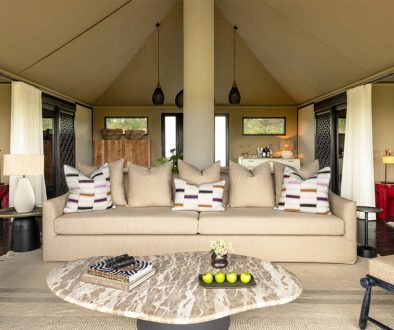
Tented Camps: Offer an authentic feel of being close to nature, often with excellent service and stunning locations.
-
Mobile Safaris: Ideal for adventurous travelers — these follow wildlife movements, giving you a front-row seat to nature’s drama.
-
Self-Drive Safaris: Popular in South Africa and Namibia for independent travelers with 4×4 experience.
Where you stay shapes how you experience the wild. Choose accommodations that align with your sense of adventure and budget — and always check that they follow eco-friendly and conservation-minded practices.

Permits, Vaccinations, and Travel Documents
It’s easy to overlook logistics when dreaming of the savanna, but paperwork is crucial. As you plan an African safari, make sure you:
-
Have a passport valid for at least six months beyond your travel dates.
-
Apply for necessary visas (requirements vary by country).
-
Get vaccinations such as yellow fever, typhoid, and hepatitis A.
-
Take anti-malarial medication if required.
-
Carry travel insurance that covers medical evacuation — essential in remote safari regions.
Consult your doctor and travel advisor early to avoid last-minute surprises.
Packing Essentials for a Seamless Adventure
Packing light is key. Neutral-colored clothing helps you blend into the environment and keeps you cool. Include:
-
Breathable shirts and trousers
-
A wide-brimmed hat and sunglasses
-
Binoculars and a good camera
-
Insect repellent and sunscreen
-
Lightweight layers for cool mornings and evenings
When you plan an African safari, remember that comfort equals enjoyment. Leave flashy clothes and heavy suitcases behind — simplicity works best in the bush.
Responsible Tourism: Giving Back to the Wild
Every traveler plays a part in protecting Africa’s natural heritage. Choose eco-certified operators, respect wildlife distances, and avoid single-use plastics.
Supporting community-run conservancies helps local people benefit directly from tourism, ensuring that wildlife conservation remains sustainable. Planning responsibly ensures that future generations will also have the chance to plan an African safari and witness its wonders firsthand.
Help Me Plan My Trip!
Get a Quote
We would love to hear about your upcoming trip! Contact us to book a 1:1 consultation with one of our expert safari designers so we can discuss your trip in great detail together and get a quote. Initial consultations will be free of charge.