
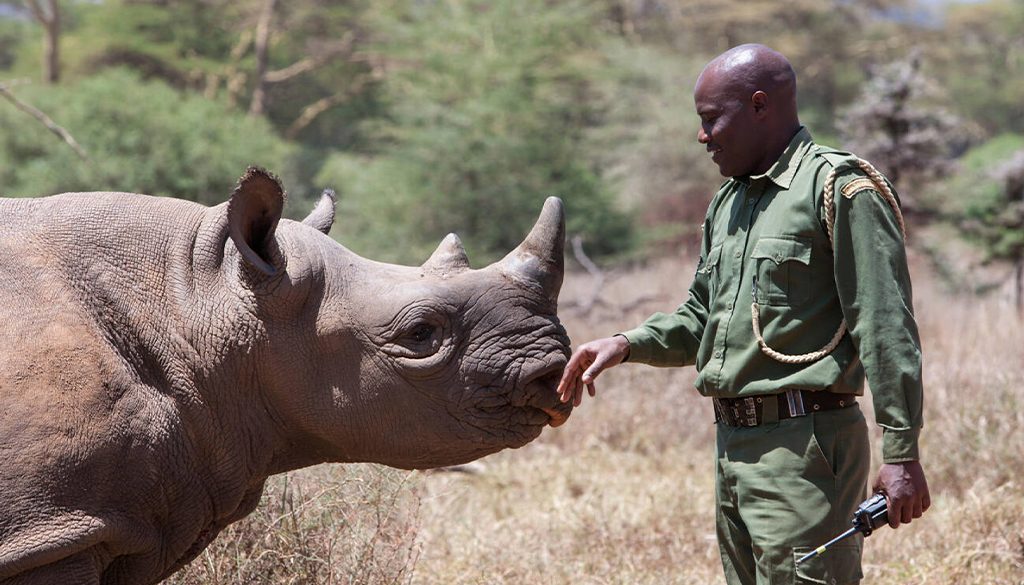
Lewa Conservancy is not just a safari destination — it’s a living, breathing model of what harmony between people, wildlife, and nature can look like. It stands as a shining example of what conservation can achieve when communities and nature coexist in harmony. It’s more than a destination — it’s a story of transformation, resilience, and hope for future generations. For travelers seeking a safari that goes beyond the ordinary, Lewa Conservancy delivers an experience that’s as enriching as it is awe-inspiring. It reminds us that travel, when done responsibly, has the power to protect the world’s most precious places — and change lives in the process. For travelers seeking an authentic Kenyan safari with a deeper purpose, Lewa Conservancy offers an unforgettable experience that blends adventure, conservation, and cultural connection.
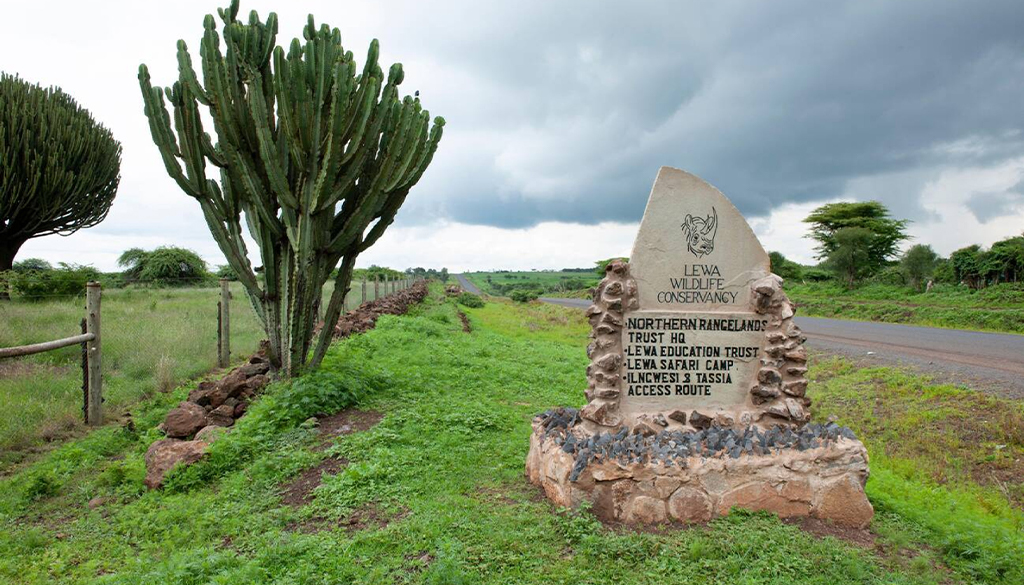
A Legacy of Conservation and Community
Lewa Conservancy, also known as the Lewa Wildlife Conservancy, began as a humble cattle ranch in the 1980s. When rhinos across Africa faced near extinction, the owners of Lewa transformed the land into a sanctuary to protect these critically endangered species. Over time, this effort expanded to include elephants, Grevy’s zebras, big cats, and countless other species that now thrive here.
What makes Lewa Conservancy remarkable is its holistic approach. It’s not just about protecting animals — it’s about empowering the people who live alongside them. The conservancy works closely with local communities to provide education, healthcare, and sustainable livelihoods. This inclusive model has become a blueprint for modern conservation in Africa and has even inspired global initiatives.
An Abundance of Wildlife
One of the main reasons visitors flock to Lewa Conservancy is the incredible wildlife experience. The conservancy is home to a staggering diversity of species — from the elusive leopard that roams its rocky outcrops to the mighty elephant herds that wander the plains. Lewa holds over 10% of Kenya’s rhino population, including both black and white rhinos, making it one of the best places in Africa to see these magnificent creatures in the wild.
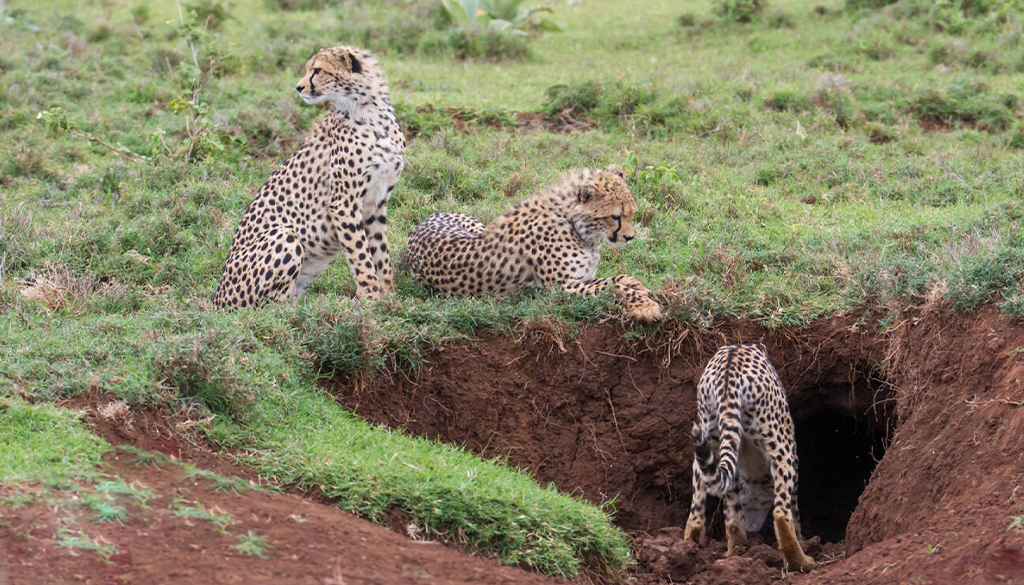
Beyond rhinos, Lewa is also famous for its large populations of Grevy’s zebras, which are rarer and more striking than their common cousins. Lions, cheetahs, giraffes, buffalo, and over 400 bird species complete the picture of a thriving ecosystem. The conservancy’s carefully managed habitat ensures that every safari drive feels intimate and exclusive, far removed from the crowded national parks.
A Safari Experience Like No Other
Unlike many safari destinations, Lewa Conservancy offers a deeply personal experience. The conservancy limits the number of visitors to preserve the wilderness feel and minimize environmental impact. Whether you explore in an open 4×4 vehicle, on foot, or even on horseback, you’ll feel a sense of connection to the land that’s rare elsewhere.
Game drives here often begin at dawn, as the golden light spills across the landscape and the sounds of the savannah awaken. Guides are local experts who not only know the terrain intimately but also share stories about the land’s history, its people, and the conservation efforts that keep it alive.
For something truly unique, visitors can enjoy helicopter excursions over Mount Kenya, camel safaris led by Samburu warriors, or visits to nearby community schools and artisan workshops supported by Lewa’s outreach programs. Every activity here contributes directly to conservation and community development — so your stay has a meaningful impact.
Where Luxury Meets Sustainability
Accommodation within Lewa Conservancy blends elegance with sustainability. Lodges such as Lewa Safari Camp, Elewana Lewa Wilderness, and Sirikoi Lodge offer luxurious yet eco-friendly stays that immerse guests in nature without compromising comfort.
These lodges are powered by solar energy, source ingredients locally, and employ members of neighboring communities — ensuring that tourism benefits everyone involved. Picture yourself dining under the stars, surrounded by lanterns and the soft sounds of the African night, knowing that your visit directly supports wildlife protection and local livelihoods.
Cultural Encounters and Community Impact
Beyond the wildlife, Lewa Conservancy is a place where you can experience Kenya’s rich cultural heritage. The conservancy works hand-in-hand with neighboring Maasai and Samburu communities, creating opportunities for visitors to engage with these proud pastoralist cultures in respectful and authentic ways.
You can visit traditional homesteads, learn about local beadwork, or join community-led initiatives such as tree planting and water projects. These encounters reveal the deep connection between people and the land — and how Lewa’s success depends on this partnership.
A UNESCO World Heritage Site
In recognition of its outstanding universal value, Lewa Conservancy was designated a UNESCO World Heritage Site in 2013, as part of the Mount Kenya ecosystem. This honor underscores its global importance as a model of sustainable conservation. The conservancy’s innovative approach has not only saved endangered species but also proven that protecting wildlife can go hand in hand with supporting people.

Why Lewa Conservancy Is Worth Visiting
If you’re wondering whether Lewa Conservancy is worth visiting, the answer is a resounding yes. It’s not just a safari; it’s a journey into the heart of conservation in Africa. Every aspect of Lewa — from its wildlife viewing to its community programs — tells a story of hope and resilience.
Travelers who visit often speak of a sense of renewal and purpose. Watching rhinos graze peacefully against the backdrop of Mount Kenya, or seeing schoolchildren thrive thanks to Lewa-funded education programs, gives you a profound appreciation for what responsible travel can achieve.
Moreover, Lewa’s low visitor numbers mean your safari feels private and personal. It’s a place where you can disconnect from the modern world and reconnect with nature — a sanctuary that offers both adventure and reflection.
When to Visit Lewa Conservancy
The best time to visit Lewa Conservancy is during Kenya’s dry seasons — from June to October and December to March — when wildlife viewing is at its best. During these months, animals gather around water sources, making sightings frequent and rewarding.
However, Lewa remains beautiful year-round, with the lush green season bringing dramatic skies and fewer tourists. Regardless of when you visit, you’ll find a warm welcome and a chance to contribute to something truly meaningful.
Help Me Plan My Trip!
Get a Quote
We would love to hear about your upcoming trip! Contact us to book a 1:1 consultation with one of our expert safari designers so we can discuss your trip in great detail together and get a quote. Initial consultations will be free of charge.

